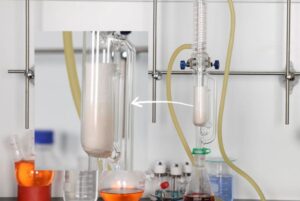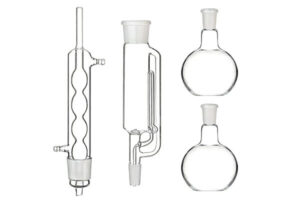
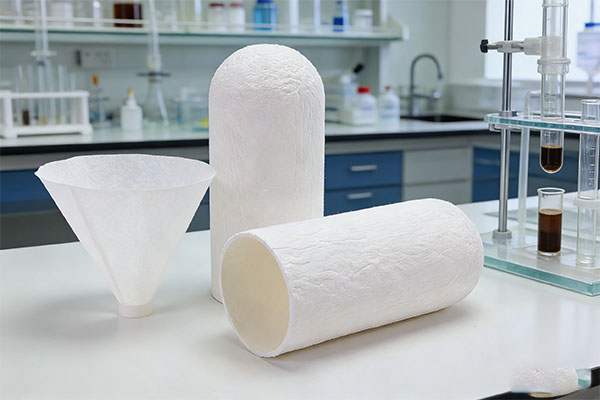
Cleaning cellulose thimbles[^1] properly is crucial for maintaining the accuracy of your lab results. Some labs attempt to cut costs by using coffee filters instead of cellulose thimbles[^1], but this practice can compromise the precision of your experiments.
To clean a cellulose thimble, first ensure it's not completely destroyed after extraction. Soak it in an appropriate solvent overnight to remove residues. This method allows for potential reuse, reducing costs associated with high-priced brands. HuaEnv offers reasonably priced, high-quality lab filtration products[^2], including cellulose thimbles[^1], manufactured in China for global distribution.
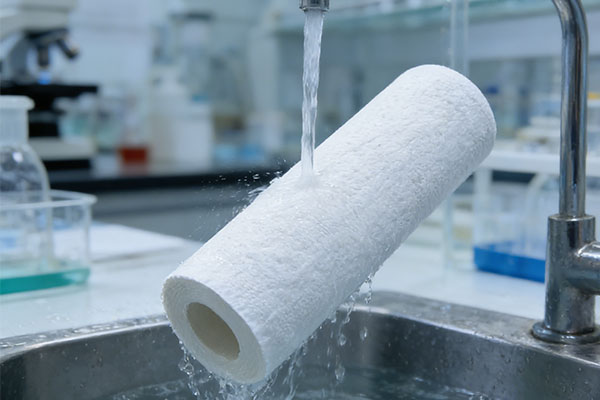
Reusing thimbles can be an effective way to manage costs and maintain quality in laboratory settings. Instead of disposing of the thimble after each use, soaking it in a solvent can help remove any remaining substances. This practice not only saves money but also aligns with sustainability efforts, providing a win-win for labs trying to balance budgets and environmental impacts.
Why is using coffee filters a bad idea?
Using coffee filters to replace cellulose thimbles[^1] might seem like a quick fix, but it risks your results' reliability. Coffee filters don't match the filtration precision needed in scientific applications.
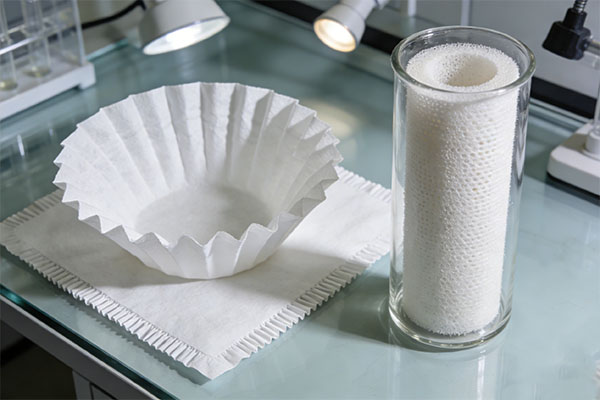
Coffee filters lack the required pore size and material quality to effectively replace cellulose thimbles[^1] in laboratory settings. They are designed for brewing coffee, not for scientific filtering processes. The use of inappropriate materials can lead to contamination and inaccurate results, ultimately impacting the integrity of experiments.
Coffee filters might seem similar to cellulose thimbles[^1] in appearance but differ significantly in composition and functionality. Cellulose thimbles are specifically crafted for scientific purposes, offering high durability and precise filtration. They ensure that the experiment's integrity is maintained by providing consistent and reliable results, which coffee filters cannot guarantee. Using coffee filters as a substitute can lead to erroneous data, increased contamination risks, and potentially flawed outcomes.
How does HuaEnv provide a cost-effective solution?
HuaEnv produces lab filtration products[^2] like cellulose thimbles[^1] at a reasonable price, making them an ideal choice for labs around the world seeking cost-effective solutions[^3] without compromising quality.
HuaEnv's cellulose thimbles[^1] offer high quality at a competitive price, making them an attractive option for labs globally. Manufactured in China, HuaEnv ensures that their thimbles meet international standards, providing both reliability and affordability. By choosing HuaEnv products, labs can maintain precision in their experiments while managing expenses effectively.
HuaEnv's cellulose thimbles[^1] are designed to meet the demands of scientific research and industrial applications. They are crafted to ensure high filtration efficiency, withstand rigorous testing conditions, and provide consistent results. Labs choosing HuaEnv benefit not only from competitive pricing but also from the assurance of quality and performance. This makes HuaEnv a preferred choice for organizations worldwide aiming to optimize their laboratory operations and reduce overall costs.
Conclusion
Proper cleaning and reuse of cellulose thimbles[^1] can save costs and ensure accurate results. Avoid using coffee filters; choose HuaEnv for quality and affordability.
[^1]: Explore this link to understand the importance of cellulose thimbles in ensuring accurate lab results. [^2]: Explore top lab filtration products to enhance your laboratory's efficiency and accuracy. [^3]: Learn about budget-friendly options that do not sacrifice quality in laboratory settings.