
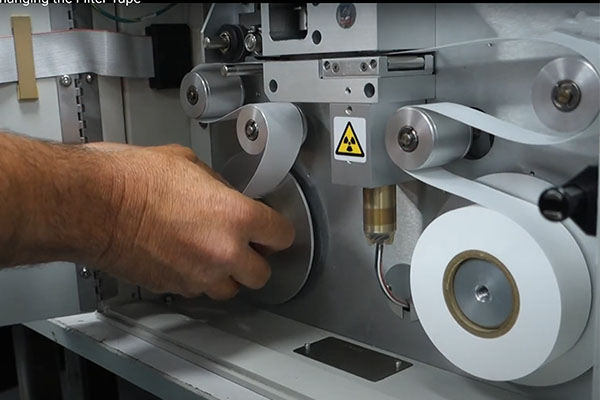
Changing the BAM Glass Fiber Filter Tape Roll[^1] is crucial for maintaining accurate environmental monitoring results. It's generally replaced every three months, but poor quality tapes can break easily, causing delays.
Replacing the filter tape in a BAM 1020 particulate monitor involves removing the old tape, installing a new one, and ensuring proper alignment for uninterrupted operation. Regular maintenance ensures the device functions optimally.
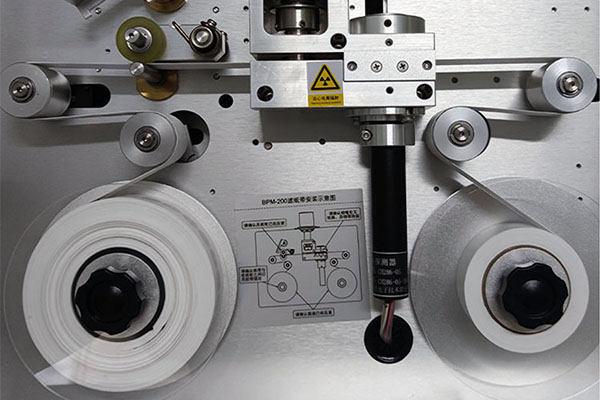
Replacement is not always straightforward. Many professionals face challenges when tapes are of lower quality, leading to frequent breakages. High costs and long wait times for tapes from brands like Metone, Tisch, and Whatman add to the issue.
Why is filter tape quality[^2] important?
Poor quality filter tapes can break easily, causing disruptions in environmental monitoring and increasing costs. It's vital to choose durable tapes to ensure seamless operation.
Quality filter tapes ensure uninterrupted monitoring, reduced downtime, and cost-effectiveness. Opting for brands known for durability can save time and resources in the long run.
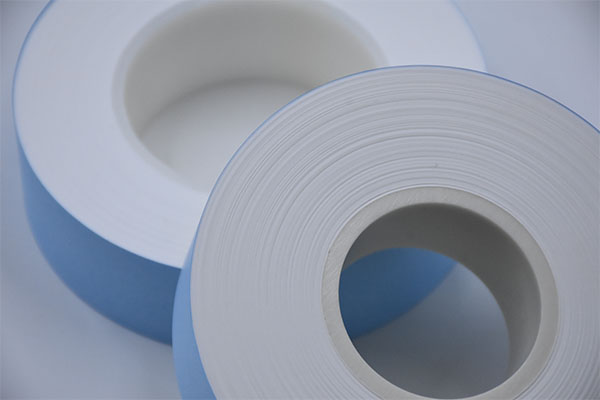
High-quality filter tapes reduce the frequency of replacements and prevent potential disruptions. Brands like Metone, Tisch, and Whatman are known for their reliability but come with high prices and long lead times. Evaluating alternative suppliers that offer competitive pricing and quicker delivery without compromising quality can be beneficial.
How often should the filter tape be replaced?
Typically, BAM Glass Fiber Filter Tape Roll[^1] should be replaced every three months. Regular replacement ensures accurate monitoring results and device longevity.
Routine replacement prevents tape degradation, maintaining device accuracy and reliability. Establishing a schedule for regular tape changes helps prevent operational issues.
Proper scheduling of filter tape replacement is key to maintaining the BAM 1020's efficiency. While the standard replacement interval is three months, it's essential to monitor the tape's condition periodically. If signs of wear appear earlier, consider replacing the tape sooner. Documenting each replacement can help track the device's maintenance history, enabling better planning and resource allocation.
Are there cost-effective alternatives[^3] to high-priced brands[^4]?
High-priced brands like Metone, Tisch, and Whatman may not fit every budget. Exploring alternatives that offer similar quality at competitive prices can save costs.
There are suppliers offering cost-effective filter tapes without compromising quality, reducing the financial burden of maintaining environmental monitoring equipment[^5].
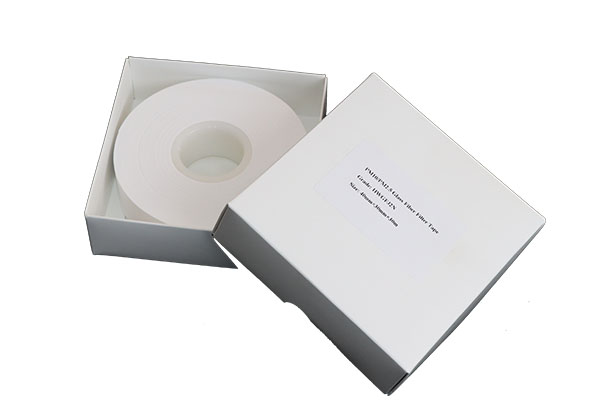
Searching for alternative suppliers can lead to significant cost savings. While Metone, Tisch, and Whatman provide reliable products, the market has other players offering similar quality at better prices. Researching and engaging with suppliers can unveil more affordable options with shorter lead times. Consider factors like supplier reputation, customer reviews, and product specifications when choosing an alternative.
Conclusion
Replacing BAM 1020 filter tape regularly ensures accurate monitoring and reduces operational costs. Exploring alternatives to high-priced brands[^4] can offer quality tapes at competitive prices.
[^1]: Understanding the role of this tape can enhance your monitoring accuracy and device longevity. [^2]: Exploring this topic can help you choose the right tapes for uninterrupted monitoring and cost savings. [^3]: Finding affordable options can help maintain your equipment without breaking the bank. [^4]: Discovering cost-effective alternatives can significantly reduce your operational costs without sacrificing quality. [^5]: Learning best practices can enhance the performance and reliability of your monitoring devices.