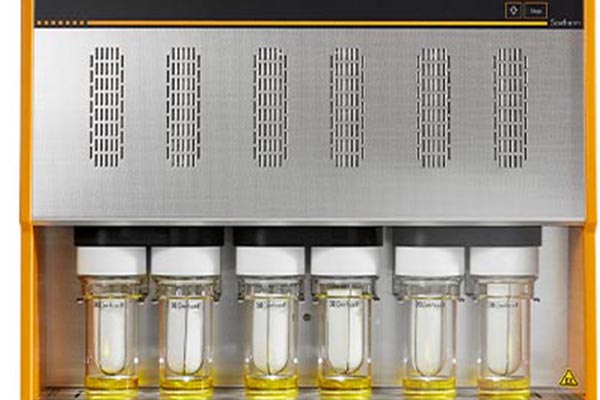
Struggling with inconsistent or inefficient cellulose extraction[^1]? Manual methods can be slow, while automated systems seem complex. Let's find the right solution for your lab's specific needs.
Cellulose is primarily extracted using two key methods: traditional manual extraction[^2], often with a Soxhlet apparatus[^3], and modern automated extraction systems[^4]. Both techniques depend on high-quality extraction thimbles[^5]s to hold the sample securely and ensure accurate, efficient results for your analysis.
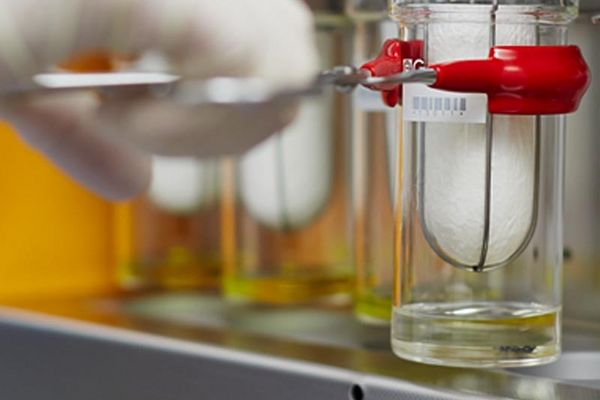
Now that you know the two main approaches, let's look closer. Choosing the right method can make a huge difference in your lab's efficiency and accuracy. I've worked with both for years, and each has its place. Let's break them down to see which one fits your needs best and helps you get the reliable data you depend on.
How does manual cellulose extraction[^1] work?
Does manual extraction[^2] feel old-fashioned, but you wonder if it's still reliable? It can be time-consuming and prone to human error, which creates risk. Let's explore how it works.
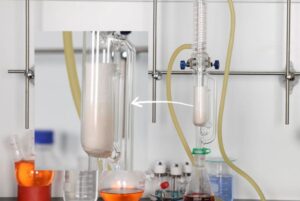
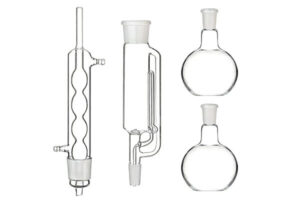
Manual cellulose extraction[^1], typically using a Soxhlet apparatus[^3], involves continuously washing a solid sample with a solvent. The solvent dissolves the cellulose and is collected and concentrated. This classic method requires specific glassware, a heating source, and essential consumables like high-purity extraction thimble[^6]s.
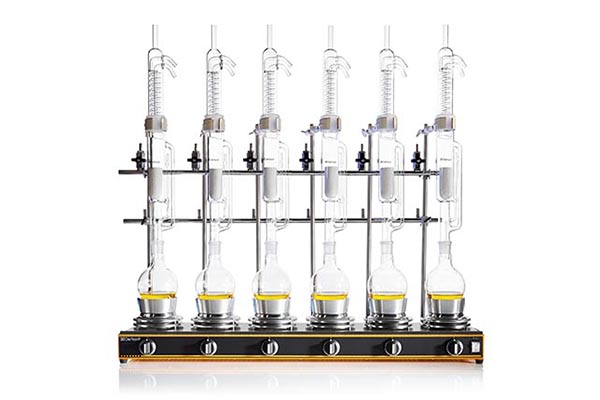
In my early days in the lab, manual extraction[^2] was all we had. It taught me a lot about the fundamentals of the process. The Soxhlet method is a classic for a reason. It's robust and doesn't require a huge investment in equipment. You have a flask with boiling solvent, a chamber holding your sample in an extraction thimble[^6], and a condenser above. The solvent vapor travels up, condenses, and drips down onto the sample, slowly extracting the target compound. When the chamber fills, it siphons the solvent and extracted material back into the flask. This cycle repeats for hours.
The Manual Process Essentials
The key to success here is consistency and using the right tools. Your heat source must be stable, and your glassware clean. But most importantly, your consumables must be top-notch.
Key Consumables for Manual Extraction
| Consumable | Importance |
|---|---|
| Extraction Thimble | Holds the sample; must be pure and strong. |
| Solvent | Must be high-purity to avoid contamination. |
| Glass Wool | Often used to cover the sample in the thimble. |
| Boiling Chips | Ensure smooth, even boiling of the solvent. |
The thimble is the heart of the setup. If it fails, your entire experiment is ruined.
Is automated cellulose extraction[^1] a better choice?
Thinking about upgrading to an automated system for your lab? The initial cost and learning curve can sometimes feel like a barrier. Let's see how automation can transform your productivity.
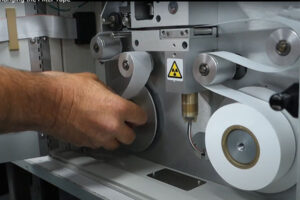
Automated cellulose extraction[^1], using systems like those from Gerhardt, streamlines the entire process. It precisely controls temperature, solvent flow[^7], and extraction time. This improves consistency, reduces hands-on labor, and dramatically increases your sample throughput[^8], making it perfect for labs with heavy workloads.
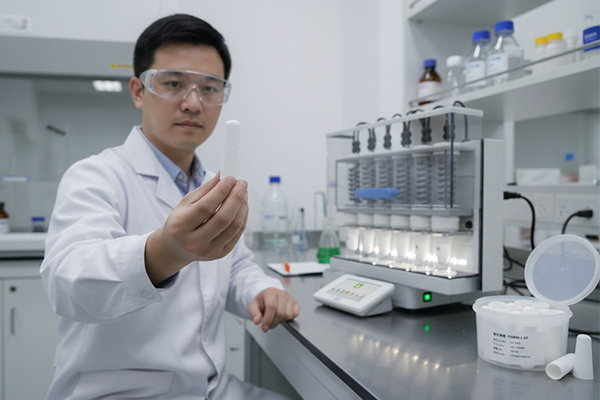
When our lab finally invested in an automated system, it was a game-changer. What used to take an entire day of monitoring could now be set up in minutes and left to run. These systems essentially automate the Soxhlet principle but with much greater control and efficiency. They often use a hot extraction method, which speeds up the process significantly. You can run multiple samples at once, all under identical conditions. This eliminates the variability that can creep in with manual setups. The system handles everything from solvent dispensing to the final rinsing step, freeing up valuable technician time for other critical tasks like data analysis and sample prep.
Key Advantages of Automation
- Speed: Reduces extraction times from many hours to just one or two.
- Consistency: Every sample is processed under the exact same parameters.
- Safety: Reduces operator exposure to hot solvents and fumes.
- Efficiency: Processes multiple samples simultaneously, increasing lab throughput.
Even with this advanced technology, some things don't change. You still need a high-quality extraction thimble[^6] that can withstand the process and won't introduce impurities.
What makes a good extraction thimble[^6] for your analysis?
Does the quality of your extraction thimble[^6] really impact your final results? Absolutely. A low-quality thimble can contaminate your sample or even break apart during the process, wasting time and resources.
A good extraction thimble[^6] must be made from pure material, typically high-grade cellulose, to prevent leaching and sample contamination. It also needs high mechanical strength[^9] to withstand the solvent flow[^7] and temperature, plus consistent porosity for optimal extraction efficiency. The right size is also critical.

I remember one time early in my career when we tried to save a few dollars by using cheap, no-name thimbles. Halfway through a six-hour Soxhlet extraction, the thimble disintegrated. The entire solid sample mixed with the solvent in the boiling flask. The run was a complete loss, and we had to start over from scratch. That day taught me a valuable lesson: your consumables are just as important as your expensive equipment. A reliable thimble ensures the integrity of your sample from start to finish.
Critical Thimble Characteristics
| Feature | Why It Matters | Our Standard |
|---|---|---|
| Material Purity | Prevents contamination and inaccurate results. | Made from high-purity cellulose. |
| Mechanical Strength | Withstands the stress of the extraction cycle. | High wet and dry strength. |
| Consistent Porosity | Ensures even solvent flow[^7] and efficient extraction. | Precisely controlled wall thickness. |
| Correct Sizing | Guarantees a perfect fit in the extractor. | Wide range, e.g., SE33A (33x80mm), SE33B (33x94mm). |
Choosing a thimble from a trusted manufacturer like Hua Env[^10] ensures you get a product that delivers on all these points, every single time.
How can you find a reliable supplier for extraction thimble[^6]s?
Are you tired of supply chain disruptions[^11] and inconsistent product quality? Finding a supplier that offers both premium quality and real value can be a major challenge for any lab manager.
The best approach is to look for a direct manufacturer with proven OEM/ODM experience[^12], strict quality control systems, and a comprehensive product range. As a manufacturer with over 15 years in the business, Hua Env[^10] provides high-quality cellulose extraction[^1]n thimble](https://huaenv.com/what-is-the-use-of-a-thimble-in-soxhlet-extraction/)[^6]s directly to you, ensuring consistency and competitive pricing[^13].
We built Hua Env[^10] because we understand the frustrations labs face. As end-users ourselves, we knew the importance of reliable consumables. That’s why we control every step of our process, from raw material inspection to final product testing. Our production lines operate under the ISO 9001 quality management system[^14], and every batch of thimbles is tested for purity, strength, and dimensional accuracy[^15]. This means you get a product you can trust, run after run. By working directly with us, you cut out the middleman, which not only saves you money but also gives you a direct line for technical support[^16] and customization. We are currently looking for global distributors to partner with.
Partnering with Hua Env[^10]
| What to Look For in a Supplier | How Hua Env[^10] Delivers |
|---|---|
| Proven Experience | 15+ years of OEM/ODM manufacturing. |
| Strict Quality Control | ISO 9001 certified, 100% inspection. |
| Stable Supply Chain | Direct manufacturing ensures availability. |
| Technical Support | Expert guidance on product selection. |
| Competitive Pricing | Direct-from-manufacturer value. |
If you are a distributor looking to provide your customers with top-tier extraction thimble[^6]s without the premium brand price tag, please contact us. We're ready to build a strong partnership with you.
Conclusion
Choosing between manual and automated extraction depends on your lab's needs, but a high-quality cellulose thimble is always essential. Partner with a reliable manufacturer[^17] to ensure consistent and accurate results.
[^1]: Explore various cellulose extraction methods to find the most efficient and reliable techniques for your lab. [^2]: Learn about the manual extraction process and its benefits to understand if it's suitable for your needs. [^3]: Discover the functionality of the Soxhlet apparatus and its role in cellulose extraction. [^4]: Find out how automated systems can enhance your lab's efficiency and accuracy in cellulose extraction. [^5]: Understand the significance of using high-quality thimbles for successful cellulose extraction. [^6]: Learn about the essential characteristics of extraction thimbles to ensure optimal performance. [^7]: Explore the impact of solvent flow on the efficiency and quality of cellulose extraction. [^8]: Discover how sample throughput can influence your lab's productivity and efficiency. [^9]: Understand the importance of mechanical strength in ensuring the reliability of extraction thimbles. [^10]: Discover how Hua Env provides high-quality cellulose extraction thimbles directly to labs. [^11]: Learn about the challenges of supply chain disruptions and how to mitigate their impact on your lab. [^12]: Explore the benefits of working with manufacturers that have OEM/ODM experience for your lab needs. [^13]: Learn how competitive pricing can help your lab save costs while maintaining quality. [^14]: Understand the importance of ISO 9001 certification in ensuring product quality and reliability. [^15]: Explore the significance of dimensional accuracy in ensuring proper fit and function of lab equipment. [^16]: Find out what technical support you can expect from a reliable lab supplier for optimal product use. [^17]: Learn how to choose a trustworthy manufacturer to ensure consistent quality in lab supplies.