

Are you struggling to find the exact filter tape[^1] for your BAM 1020 monitor[^2]? Using the wrong one can cause bad data and damage. Let's look at the right specifications.
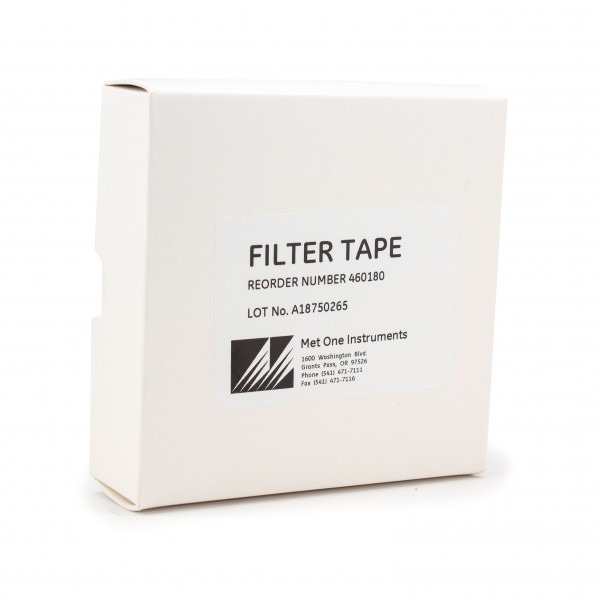
The standard Met One BAM 1020 filter tape[^1], with reorder number 460180, is a glass fiber roll[^3]. It is 30mm wide and 31m long, on a 40mm core. This size ensures a perfect fit and good performance for continuous monitoring, and it lasts about 90 days.
Why are the dimensions 30mm x 31m so important for the BAM 1020?
Have you ever wondered if a slightly different tape size would work? A bad fit can cause tape jams, air leaks[^4], and wrong readings. Let's see why the 30mm width and 31m length are so important.
The 30mm width fits the BAM 1020’s sampling system perfectly. This prevents air leaks[^4]. The 31m length is designed to last for about 90 days of continuous use. This balances how often you need to replace it with how easy it is to handle.

The Critical Role of Width
The 30mm width is very precise. It is designed to create a perfect seal within the BAM 1020's sampling head. If the tape is too narrow, say 29mm, air can leak around the edges. This is called air bypass. It means not all the air is pulled through the filter. So, the monitor will not capture all the particulate matter, and your pollution readings will be too low. If the tape is too wide, say 31mm, it can bunch up or jam in the transport mechanism. This will cause the instrument to stop working, leading to lost data and the need for a service call. The 30mm width is the exact size needed for a good seal and smooth operation.
The Logic Behind the Length
| The 31-meter length is all about efficiency. A BAM 1020 monitor[^2] often sits in a remote location and runs 24/7. The instrument automatically moves the tape forward to a new spot for each sample. The 31m length provides enough tape for about 90 days of continuous operation. This long runtime is very important. It reduces the number of times a technician has to visit the site to change the roll. Fewer site visits mean lower labor costs and less downtime for the monitoring network[^5]. It is a smart balance between having a long-lasting roll and a roll that is not too big or heavy to install easily. | Specification | Correct (30mm x 31m) | Incorrect (e.g., 29mm or 32mm wide) |
|---|---|---|---|
| Fit | Perfect seal, smooth transport | Air leaks, potential jamming | |
| Data Accuracy | High, reliable readings | Low, under-reported PM levels | |
| Operational Uptime | Maximum (approx. 90 days) | Frequent failures, instrument downtime | |
| Labor Cost | Minimized site visits | Increased maintenance trips |
What material is the BAM 1020 filter tape[^1] made of?
Do you think the filter material really matters? Using the wrong material can cause fibers to break off, chemical reactions, or bad weight measurements. Let's look at why glass fiber is the standard.
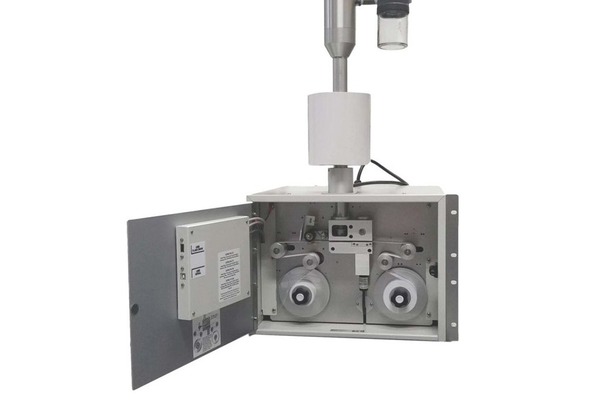
The BAM 1020 filter tape[^1] is made from high-purity, binder-free glass fiber. This material is chosen because it collects small particles well. It is also chemically stable and not affected by humidity. This ensures accurate measurements over time.
High Collection Efficiency
The main job of the filter is to catch tiny particles from the air. We are often interested in particles like PM10 and PM2.5[^6], which are very small. The structure of glass fiber media is a random web of very fine fibers. This structure is great at trapping particles of all sizes. It does this without blocking the airflow too much. High collection efficiency means the sample on the tape is a true representation of the particles in the air. This is the first step to getting accurate data.
Chemical and Physical Stability
The filter tape[^1] is exposed to all kinds of pollutants in the air. It must not react with them. Glass fiber is very inert, meaning it does not react with common pollutants like acid gases. It is also "binder-free." Some cheaper filters use a chemical binder to hold the fibers together. This binder can add weight or react with pollutants, which would create errors in the measurement. Also, the tape must be stable with changes in temperature and humidity. Glass fiber does not absorb water easily. This is important because water adds weight. If the filter absorbed moisture from the air, the monitor would report higher pollution levels than are actually there. In my 15 years in this business, I've seen what happens when a low-quality tape is used. A client's monitor kept failing because of fiber shedding[^7] from a cheap tape. It clogged the detector. We switched them to our quality-tested glass fiber tape, and the problem was solved.
How can I find a reliable and cost-effective alternative to the OEM tape?
Are you tired of the high cost of the original manufacturer's filter tape[^1]s? Your budget should not force you to accept lower quality data. Here's what to look for in a good supplier.
To find a reliable alternative, look for a manufacturer with OEM experience[^8], like us at HuaEnv. Make sure they use high-purity glass fiber[^9] and give you quality reports for each batch. This guarantees the tape meets the exact specifications for your BAM 1020.
Check for Manufacturing Experience
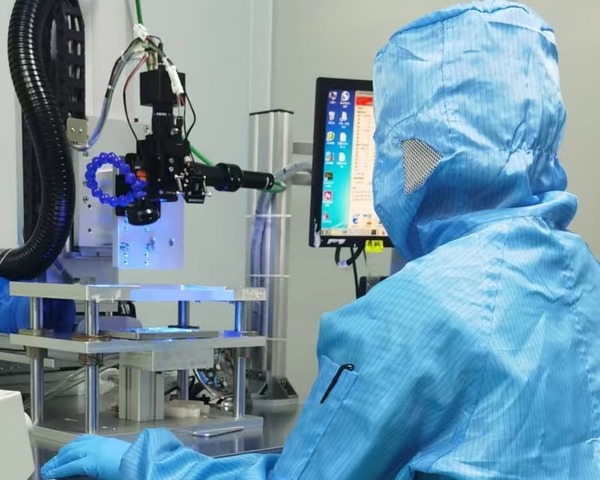
You should work with a company that actually makes the filter tape[^1], not just one that resells it. A true manufacturer with OEM experience[^8] understands the strict requirements of scientific instruments. They know that a small difference in size or material can cause big problems. At HuaEnv, we have been a professional manufacturer for over 15 years. We supply filtration materials to instrument companies and monitoring service companies around the world. We control the entire production process to ensure every roll meets the standards.
Demand Quality Assurance Documentation
Never just trust a company's claims. Ask for proof of quality. A reliable manufacturer will test every batch of filter tape[^1] and be happy to share the results with you. We perform a full range of tests. We check filtration efficiency[^10], airflow resistance, weight, and thickness. We also have a special process to make sure our tapes do not shed fibers. In the last three years, millions of our filter tape[^1] rolls have been used in the market. We have had zero reports of problems like fiber shedding[^7] or clogging. This track record is our proof of quality.
Evaluate Supply Chain Stability
Running out of filter tape[^1] means your monitors stop collecting data. It is important to choose a supplier who can provide a steady and reliable supply. As a direct factory with five professional production lines, we have a large capacity. We can manage our production to meet our customers' needs. This means you can avoid stockouts and keep your air monitoring network[^5] running without interruption. A stable supply chain gives you peace of mind.
Conclusion
Finding the right BAM 1020 filter tape[^1] means matching the 30mm x 31m glass fiber spec. A quality OEM alternative can provide reliable performance and significant cost savings.
[^1]: Learn about filter tape and its critical role in ensuring accurate air quality data collection. [^2]: Explore this link to understand the functionality and importance of the BAM 1020 monitor in air quality measurement. [^3]: Discover why glass fiber rolls are preferred for air quality monitoring and their advantages over other materials. [^4]: Explore the issues that air leaks can create in monitoring systems and how to prevent them. [^5]: Explore the concept of a monitoring network and its role in air quality assessment. [^6]: Learn about the significance of PM10 and PM2.5 in air quality assessments and their health impacts. [^7]: Understand the implications of fiber shedding in filter tapes and its effect on data accuracy. [^8]: Explore the importance of OEM experience in ensuring high-quality filter tape for accurate monitoring. [^9]: Discover the properties of high-purity glass fiber that make it ideal for air quality monitoring. [^10]: Discover how filtration efficiency is measured and its impact on air quality monitoring.