Are you struggling with inconsistent results in your Soxhlet extractions? The wrong thimble can waste samples, solvents, and valuable time, putting your entire analysis at risk.
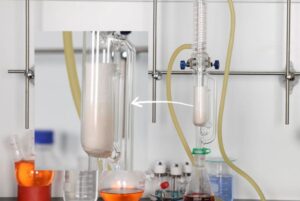
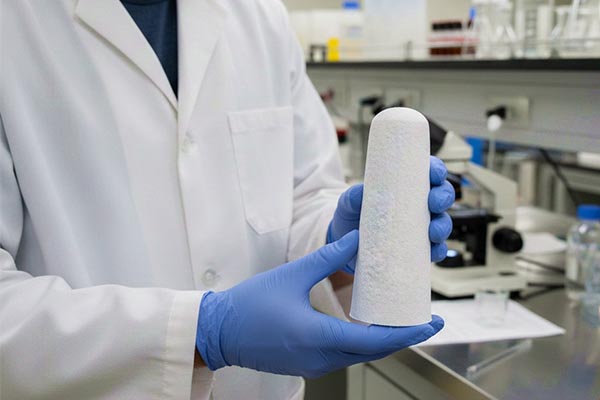
A Soxhlet extraction thimble[^1] is a thimble-shaped, porous cup used to hold a solid sample during extraction. It's typically made from cellulose or glass fiber. The thimble allows the solvent to flow through, extract the desired compound, and leave the solid material behind.
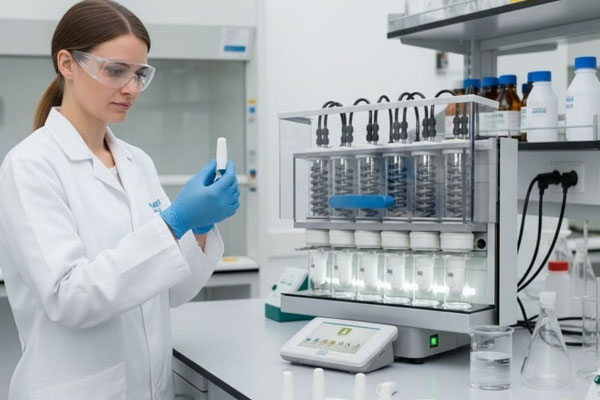
I've been in the filtration manufacturing business for over 15 years. I've seen firsthand how a small, seemingly simple item like an extraction thimble can make or break a critical analysis. Whether it's for environmental testing or food quality control, getting this part right is not just a detail, it's fundamental to your success. That's why I want to break down everything you need to know about them, so you can choose the right one every single time. This will help you get accurate data and avoid frustrating re-runs.
How do you choose the right thimble material?
Choosing the wrong material can contaminate your sample or cause the thimble to break down mid-extraction. This leads to failed tests and wasted resources. You need a material that fits your specific application.
Choose a cellulose thimble[^2] for general-purpose extractions like determining fat in food. For high-temperature applications[^3] or when using acidic solvents, you must use a glass fiber thimble[^4]. The material directly impacts the accuracy and success of your extraction process.
Let's dive deeper into the two main materials. The choice between cellulose and glass fiber depends entirely on your sample, your solvent, and your temperature conditions. It's a critical decision. Using a cellulose thimble[^2] in an application above 120°C, for instance, would be a disaster. The material would degrade and ruin your analysis. On the other hand, using a more expensive glass fiber thimble[^4] when a simple cellulose one would do is not cost-effective. As a manufacturer, we produce both types to high standards because we know our clients work in diverse fields. From a food and beverage lab analyzing fat content to an environmental agency testing for pollutants in high-temperature flue gas, the needs are very different. Here is a simple breakdown to help you decide.
| Feature | Cellulose Thimbles | Glass Fiber Thimbles |
|---|---|---|
| Material | High-purity alpha-cellulose | 100% borosilicate glass fiber |
| Max Temperature | ~120°C (248°F) | ~500°C (932°F) |
| Primary Use | Fat/oil analysis, dust sampling | High-temp flue gas, chemical analysis |
| Chemical Resistance | Good with most neutral solvents | Excellent, inert to acidic gases |
| Best For | Food & beverage, agriculture | Environmental monitoring, chemical industry |
What are the standard thimble sizes[^5] and why do they matter?
Does your thimble fit poorly inside your extractor? A thimble that is too small allows sample bypass[^6], while one that is too large can get stuck or slow down the extraction process.
The thimble size must match your Soxhlet extractor's inner diameter and height. The most common sizes are Ø 33 x 80 mm and Ø 33 x 94 mm. A proper fit ensures efficient solvent flow[^7] and prevents sample loss, guaranteeing a reliable and complete extraction.
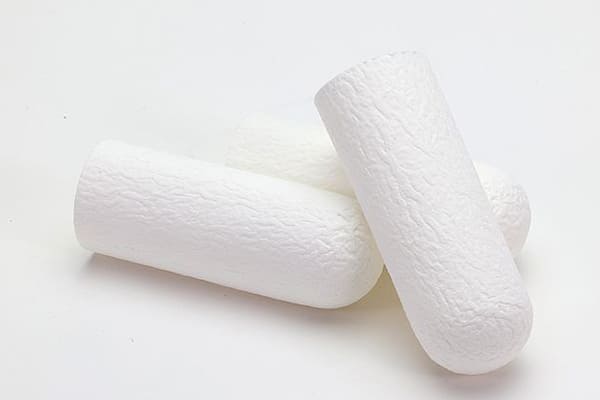
The size of the thimble is not just about fitting into the glass apparatus. It's about ensuring the physics of the extraction work correctly. I remember a client, an engineer at an environmental services company, who was getting inconsistent results. It turned out their supplier had sent them thimbles that were slightly too narrow for their extractors. The solvent was simply flowing around the thimble instead of through the sample, a phenomenon called "channeling[^8]." This meant their extractions were incomplete. Once we supplied them with the correct size, their results became consistent again. The two most popular sizes, Ø 33 x 80 mm and Ø 33 x 94 mm, are designed to fit the most widely used Soxhlet equipment. We manufacture these with a tolerance of ±0.1mm because that level of precision is necessary. A good fit ensures the solvent evenly percolates through the entire sample, maximizing extraction efficiency[^9] and giving you trustworthy data.
Can you trust an alternative to major brands like Whatman?
Are you paying high prices for big-name brands and facing supply chain delays? Relying on a single, expensive supplier can strain your budget and disrupt your lab's workflow when stockouts occur.
Yes, you can. A manufacturer like Hua Env with over 15 years of OEM experience provides Whatman-comparable quality without the high cost. We offer direct-from-factory pricing and flexible ordering, ensuring a stable supply of high-performance thimbles for your lab.
Many of my customers, like Dr. Chen who manages procurement for a large testing institution, are under constant pressure to control costs without sacrificing quality. For years, they believed only expensive brands like Whatman could deliver the reliability they needed. But here's something many people don't know: we started out as an OEM/ODM manufacturer. For over a decade, we produced filtration products for some of those very brands. We built our production lines and quality control systems to meet their exacting standards.
Now, we offer our products directly under the Hua Env name. We use the same high-purity raw materials and the same ISO 9001-certified manufacturing[^10] processes. Each batch of our thimbles undergoes rigorous testing for material purity, dimensional accuracy[^11], and flow rate. This means you get a product with the same performance and consistency as the big brands, but because you're buying directly from the manufacturer in China, the cost is significantly lower. We are now distributing globally, so labs everywhere can access reliable, cost-effective consumables.
What's the difference between manual and automated Soxhlet extraction[^12]?
Are you wondering if your thimbles are compatible with both new automated systems and traditional glass setups? Using the wrong thimble can cause errors or damage in expensive automated equipment.
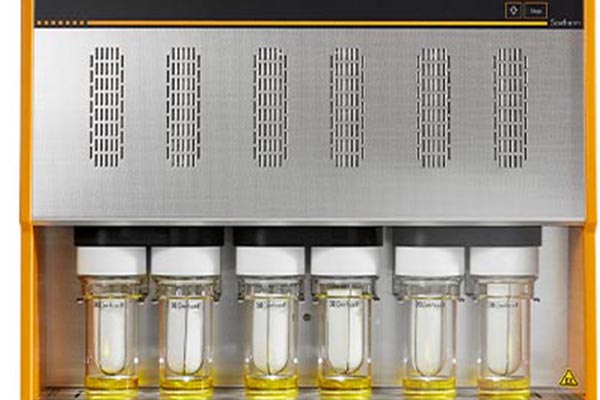
Manual extraction uses classic glassware and is labor-intensive. Automated systems are faster, use less solvent, and offer higher throughput. High-quality thimbles from Hua Env are precision-made to work flawlessly in both manual setups and modern automated extractors.
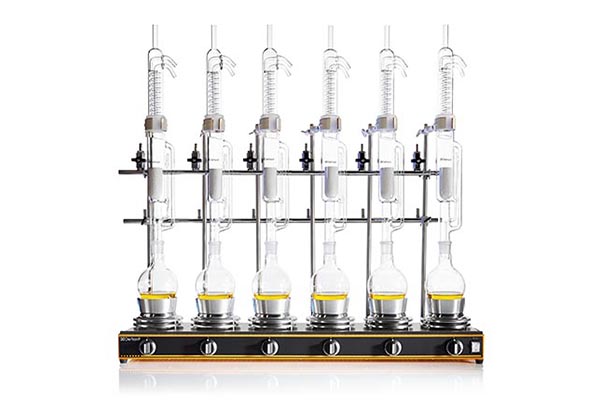
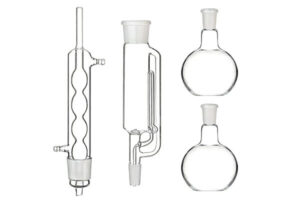
The core principle of Soxhlet extraction is the same, but the technology has evolved. The traditional manual method involves a chemist setting up the glassware and monitoring the process. It’s reliable but slow. Modern labs, especially those with high sample volumes, have moved to automated systems. These machines can run multiple extractions at once, control temperatures precisely, and recycle solvent, saving a lot of time and money.
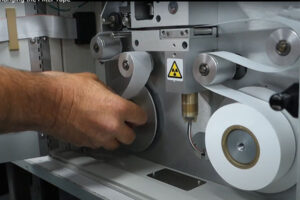
The key requirement for automated systems is consistency. The thimbles must have uniform wall thickness and exact dimensions to fit perfectly into the machine's carousel. Any variation can lead to a jam or an incomplete extraction. This is where our manufacturing precision becomes crucial. Our CNC processes ensure every thimble in a box of 25 is virtually identical. Whether you are using a classic glass Soxhlet extractor or a state-of-the-art automated system, our thimbles provide the consistent performance you need. This versatility means you can source one type of thimble for your entire lab, simplifying your inventory and procurement.
Conclusion
Choosing the right Soxhlet thimble is simple when you know what to look for. By matching the material and size to your application, you ensure accurate and efficient extractions every time.
[^1]: Understanding the function of a Soxhlet extraction thimble is crucial for effective sample analysis. [^2]: Explore the advantages of cellulose thimbles for general-purpose extractions and their applications. [^3]: Learn which thimble materials withstand high temperatures for reliable extraction results. [^4]: Learn about the specific scenarios where glass fiber thimbles outperform other materials. [^5]: Discover the importance of thimble sizes for ensuring efficient solvent flow and accurate results. [^6]: Understanding sample bypass can help you avoid incomplete extractions and improve your results. [^7]: Understanding solvent flow dynamics can help you optimize your extraction process. [^8]: Learn about channeling and its impact on extraction efficiency to ensure reliable data. [^9]: Learn tips and techniques to enhance extraction efficiency for better analytical results. [^10]: Explore the significance of ISO certification in ensuring high-quality manufacturing standards. [^11]: Discover how precise dimensions contribute to consistent and reliable extraction outcomes. [^12]: Discover how automation can enhance efficiency and reduce solvent usage in your lab.