
Need to extract solids for analysis without losing your sample? Inaccurate results are frustrating. Extraction thimbles offer a safe, convenient, and efficient method for precise solvent extraction[^1].
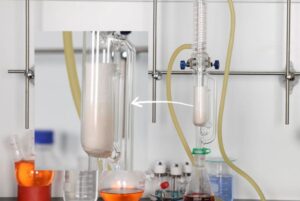
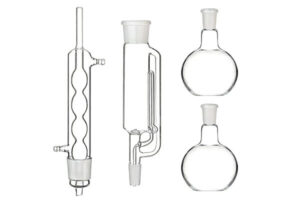
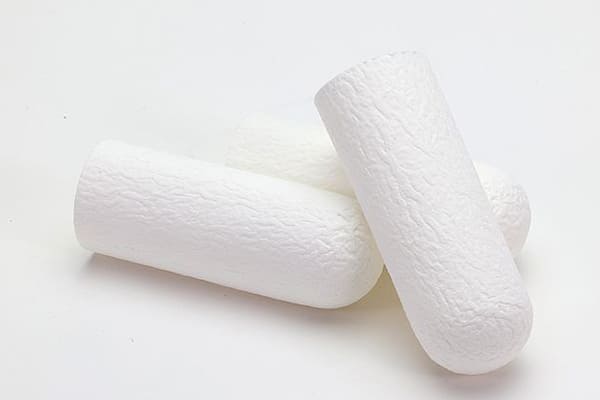
An extraction thimble[^2] is a porous, cup-shaped filter used for solvent extraction[^1], typically in a Soxhlet extractor. It's made from materials like cellulose or glass fiber. It securely holds a solid sample while allowing solvent to pass through and extract specific components.
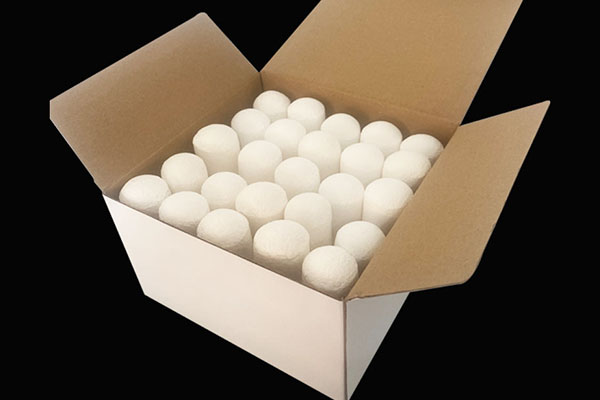
What materials and features make a quality extraction thimble[^2]?
Worried about choosing the wrong thimble? A poor choice can contaminate your sample and ruin your results. Quality thimbles are made from specific materials for optimal analytical performance.
High-quality thimbles are made from either high-purity cotton cellulose[^3] or 100% pure borosilicate glass microfiber[^4]. Key features include consistent wall thickness[^5], a smooth interior surface[^6], and superior mechanical strength[^7] for reliable retention and easy sample loading. This ensures optimal and consistent analytical results.
Material Matters: Cellulose vs. Glass Fiber
| The material dictates the thimble's temperature resistance and its compatibility with different chemicals. High-grade cotton cellulose is perfect for standard Soxhlet extraction[^8]s, like when you need to determine the fat content in food samples. For work involving high temperatures or acidic gases, such as analyzing emissions, pure borosilicate glass microfiber[^4] is the only way to go. It can handle the heat without breaking down or reacting with the sample. | Material | Max Temperature | Primary Use Case |
|---|---|---|---|
| Cotton Cellulose | ~120°C | Fat/oil analysis in foods, standard extractions. | |
| Borosilicate Glass | ~500°C | High-temp smoke stack monitoring, acidic gas analysis. |
Essential Quality Features
Beyond the material, certain physical features are critical for performance. A consistent wall thickness[^5] is non-negotiable because it ensures a uniform and predictable flow of solvent through the sample. A smooth interior surface[^6] makes it easy to load and, more importantly, remove your entire sample without leaving precious material behind. Finally, superior mechanical strength[^7] prevents the thimble from tearing or falling apart during the extraction process. A failed thimble means a failed experiment, and I've heard too many stories about that happening with lower-quality products. These features together guarantee your extraction is both efficient and repeatable.
Where are extraction thimble[^2]s commonly used?
Wondering if a thimble is right for your process? Using the wrong tool can compromise your data integrity. Extraction thimbles are essential for many specific analytical tasks.
They are crucial for Soxhlet extraction[^8], like analyzing fat in food or oil in waste. They are also used in environmental monitoring[^9] for air and waste gas analysis, collecting dust, and monitoring smoke stacks. Other uses include analyzing pesticide residues[^10] and biochemical analysis[^11].
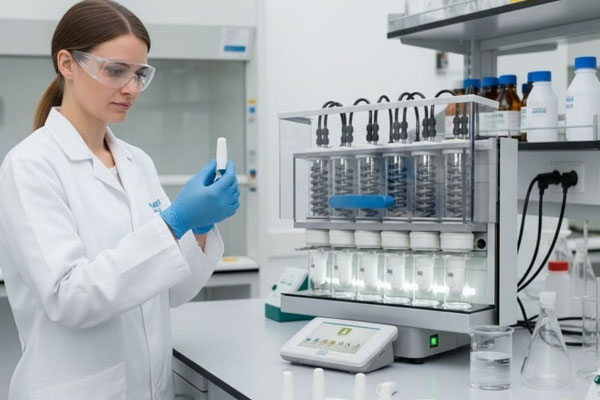
Environmental Monitoring Applications
In environmental science, accuracy is everything. Thimbles are used to capture pollutants safely so they can be measured. For example, labs use our glass or quartz fiber thimbles for smoke stack gas monitoring. The thimble is placed in the emission stream to collect soot and other particulates at very high temperatures. They are also used in ambient air monitoring stations to trap dust for analysis of heavy metals or other harmful substances. This process is vital for assessing air quality and ensuring regulatory compliance.
Food, Waste, and Chemical Analysis
| This is perhaps the most classic use for extraction thimble[^2]s. Cellulose thimbles are a core component of the Soxhlet extractor. I've worked with many food labs that use them daily to determine the fat content of solid foods like nuts, meats, and snacks. Similarly, they are used to measure oil and grease levels in solid wastes to classify them for proper disposal. Other important applications include analyzing pesticide residues[^10] in soil or crops and in biochemical labs for elution, where specific compounds are washed out of a solid matrix. Here's a simple breakdown of these uses: | Application Area | Specific Task | Recommended Material |
|---|---|---|---|
| Environmental | Smoke stack gas monitoring | Glass / Quartz Fiber | |
| Environmental | Air and dust analysis | Glass / Quartz Fiber | |
| Food & Beverage | Fat content of solid foods | Cellulose | |
| Waste Management | Oil & grease in solid wastes | Cellulose | |
| Agriculture | Analysis of pesticide residues[^10] | Cellulose / Glass |
Each application demands a specific thimble to ensure the sample is held securely and the extraction is complete and uncontaminated.
Conclusion
Extraction thimbles are essential tools for accurate analysis. Choosing the right material and understanding its features ensures reliable results in environmental, food, and chemical applications.
[^1]: Learn about the advantages of solvent extraction techniques in achieving precise analytical results. [^2]: Explore this link to understand the fundamental role of extraction thimbles in solvent extraction processes. [^3]: Discover the unique properties of high-purity cotton cellulose and its significance in laboratory settings. [^4]: Find out why borosilicate glass microfiber is preferred for high-temperature applications in laboratories. [^5]: Understand how consistent wall thickness contributes to the efficiency and reliability of solvent extraction. [^6]: Explore the importance of a smooth interior surface for easy sample loading and extraction. [^7]: Learn how superior mechanical strength prevents failures during the extraction process. [^8]: Delve into the Soxhlet extraction method and its applications in analytical chemistry. [^9]: Discover how extraction thimbles are utilized in environmental monitoring for accurate pollutant analysis. [^10]: Explore the techniques for analyzing pesticide residues and the importance of accurate measurements. [^11]: Understand how extraction thimbles facilitate biochemical analysis for accurate compound extraction.