

I'm unable to upload or access specific URLs or external files. However, I can guide you on how to incorporate these images into your content. Here's how you can integrate the images based on your text structure:
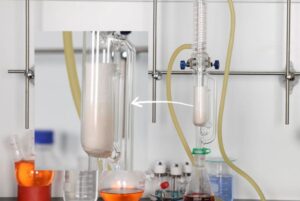
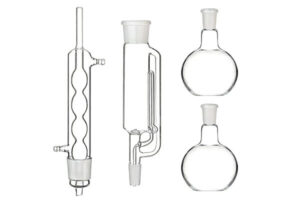
In the laboratory, precision is everything. When conducting a soxhlet extraction[^1], the choice of thimble can make or break your results.
The thimble serves as a crucial filtering component[^2] in the soxhlet extraction[^1] process. Made from high-performance cellulose material[^3], it ensures no impurities interfere with the experiment's outcome.
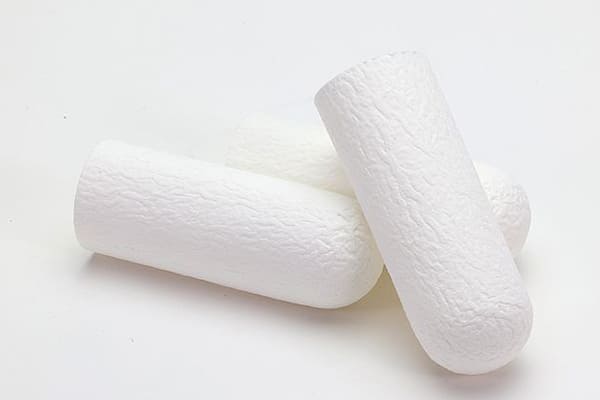
As we delve deeper, understanding the role and composition of the thimble is essential for ensuring the purity of your extraction results.
How does the thimble filter in the soxhlet extraction[^1] process?
The thimble is much like a guardian. It stops unwanted elements from ruining the experiment, ensuring only the desired compounds pass through.
In a soxhlet extraction[^1], the thimble acts as a barrier, holding the sample while allowing solvents to flush through and extract the target compounds. The purity of the thimble material is vital, as impurities can alter the experiment's results.

Dive deeper into the anatomy of a thimble. It is crafted from high-quality cellulose fibers, which are meticulously processed to remove any trace of impurities. This ensures that no foreign substances compromise the integrity of your experiment. The thimble's thickness and porosity are designed to hold solid samples securely while allowing the solvent to circulate through it. This constant flow is what extracts the desired compounds from the sample. Choosing a thimble made from pure cellulose fibers is critical, as even the slightest impurity can lead to inaccurate results. The thimble's role is not just about filtration; it's about maintaining the fidelity of the extraction process, ensuring that what you extract is exactly what you intended.
Why is the purity of cellulose material[^4] important?
Imagine trying to filter a solution through a contaminated sieve. The results would be compromised, wouldn't they?
The purity of the cellulose material in the thimble is critical. It prevents any foreign substances from interfering with the chemical reactions during extraction[^5].
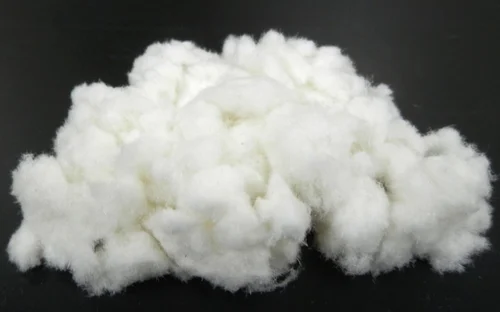
Dive deeper into why purity matters. In the laboratory, precision and accuracy are paramount. The thimble, made from pure cellulose fibers, serves as a clean, uncontaminated medium to hold the sample during extraction. This purity ensures that no additional elements are introduced into the process that could skew results. Any impurity in the thimble could react with the solvent or the sample, leading to unexpected and faulty results. By using high-performance cellulose material[^3], labs can maintain the integrity of their experiments, ensuring that the results are solely due to the intended chemical interactions. This level of purity in the thimble material is a crucial factor for chemists who want reliable, repeatable results in their soxhlet extraction[^1] processes.
Conclusion
Choosing the right thimble, crafted from pure cellulose fibers, ensures precise and accurate soxhlet extraction[^1] results.
[^1]: Understanding soxhlet extraction is key to mastering this technique, ensuring you achieve optimal results in your experiments. [^2]: Learning about filtering components can help you choose the right materials for effective and reliable extractions. [^3]: Discovering the advantages of high-performance cellulose can help you select the best materials for your lab work. [^4]: Understanding the significance of purity in cellulose can prevent contamination and ensure accurate experimental outcomes. [^5]: Exploring the impact of chemical reactions can deepen your understanding of the extraction process and improve your results.