

好的,已经按照您提供的顺序,将图片链接替换到文章中。
Soxhlet extraction[^1] is a common method used to separate compounds from solid samples, but what exactly makes it so effective? The answer lies in the thimble.
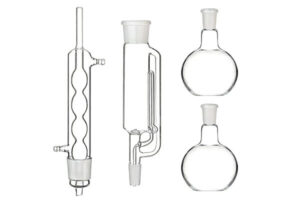
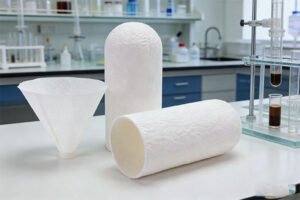
The thimble in a Soxhlet extractor acts as a filter that holds the sample material. It allows solvent[^2] to seep through, extracting desired compounds without letting solid particles escape. This ensures an efficient and clean extraction process while protecting the system from blockages.
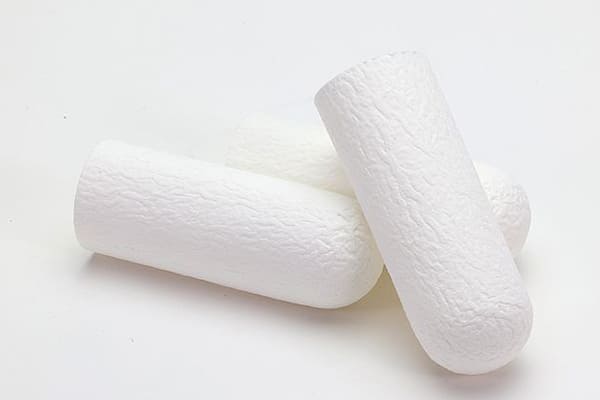
The thimble is critical for ensuring the purity and efficiency of the extraction. As the solvent[^2] moves through the thimble, it captures the targeted compounds, leaving the solids within. Without the thimble, you'd face contamination and inefficiencies, leading to unreliable results. Now, let's explore more about the Soxhlet process.
Why is the thimble essential in Soxhlet extraction[^1]?
Thimble use in Soxhlet extraction[^1] provides a simple yet effective way to handle solid samples. The danger of clogging is reduced, and extraction efficiency[^3] is increased.
The Soxhlet extractor uses a thimble to separate desired compounds from solids. The porous thimble allows solvent[^2] to pass, extracting compounds while keeping solids contained. This creates a controlled and efficient method for repeated extraction cycles, improving yield and purity.

The Soxhlet extraction[^1] relies on the thimble's structural integrity. It must withstand solvent[^2] flows without breaking, ensuring a clean extraction. Proper material choice, like high-quality cellulose, helps maintain this integrity. The thimble must fit snugly within the extractor to prevent leaks, ensuring consistent and repeatable results.
| Component | Function |
|---|---|
| Thimble | Holds the sample, allowing solvent to pass through |
| Extractor | Facilitates solvent cycling, enhancing extraction efficiency[^3] |
| Solvent | Dissolves desired compounds, leaving behind solids |
The choice of solvent and thimble material is crucial. For example, cellulose thimbles are popular due to their ability to withstand various solvents and temperatures while maintaining purity. The correct combination leads to optimized extraction, reducing waste and increasing accuracy.
How does a Soxhlet extraction[^1] improve analysis in food and soil?
Soxhlet extraction[^1] is widely used to analyze fat content in food or pesticides in soils, among other applications.
In food testing, Soxhlet extraction[^1] helps measure fat content accurately. The thimble holds the sample while the solvent extracts fats, offering precise data crucial for nutritional labeling and health assessments. The cycle repeats until the desired compounds are thoroughly extracted, providing a clear picture of fat levels.
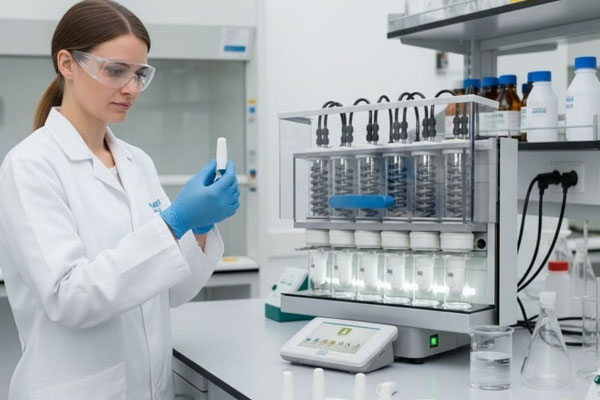
In soil analysis[^4], the Soxhlet extractor separates pesticides efficiently. The thimble ensures that only the targeted compounds are extracted, preventing cross-contamination. This helps in understanding pesticide distribution and environmental impact, crucial for regulatory compliance and ecological studies.
| Application | Benefit |
|---|---|
| Food Analysis | Accurate fat measurement |
| Soil Testing | Efficient pesticide extraction |
| Quality Control | Reliable data for safety assessments |
When applied to environmental studies, the high efficiency of Soxhlet extraction[^1], thanks to the thimble, ensures minimal solvent use, contributing to sustainability. It also allows for high-throughput analysis, essential for large-scale studies.
Conclusion
The thimble is key to Soxhlet extraction[^1], offering efficient, clean extraction necessary for precise analysis across various applications.
[^1]: Understanding Soxhlet extraction can enhance your knowledge of efficient compound separation methods. [^2]: Learning about solvent choices can help optimize extraction processes for better results. [^3]: Exploring factors affecting extraction efficiency can lead to improved methodologies in research. [^4]: Understanding its use in soil analysis can inform you about environmental impact studies.