

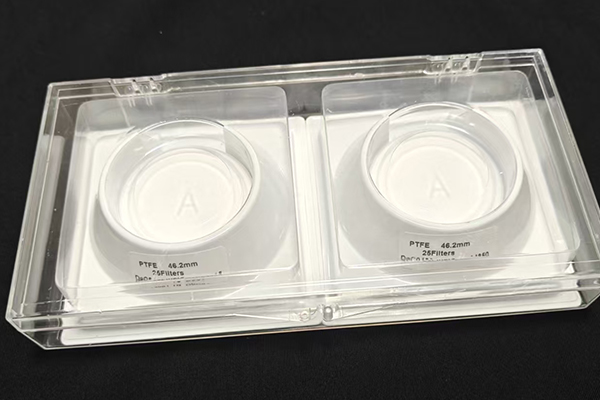
Particulate matter in the air, especially PM 2.5, poses significant health risks. Monitoring these particles accurately is crucial. That's where PM 2.5 membrane filters[^1] come into play. These specialized filters, made from PTFE[^2], offer high purity and precision for environmental monitoring[^3].
PM 2.5 membrane filters[^1] are thin, high-purity PTFE[^2] films designed for the monitoring of PM 2.5 in environmental air. Each filter comes with a polypropylene support ring that enhances strength and is printed with a unique number. This design ensures low tare weight for precise gravimetric determination.
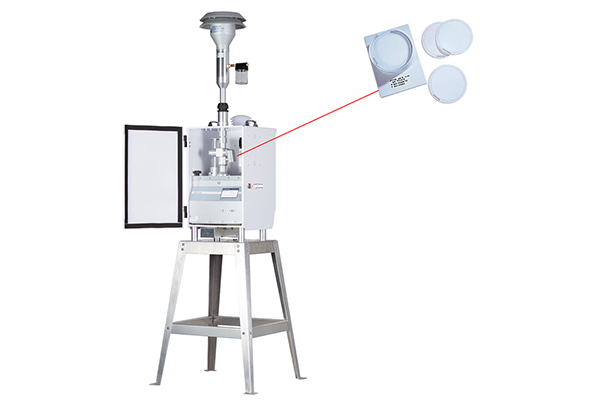
The filters are produced without the use of adhesives, ensuring they remain flat and enabling efficient automated operation. They comply with EPA PM 2.5 reference methods[^4], focusing on environmental monitoring[^3] of air and atmospheric chemistry[^5].
Why is the design of PM 2.5 filters crucial?
Air pollution and its health effects are a growing concern globally. Ensuring accurate measurement of PM 2.5 levels is essential to address these issues effectively. The design of PM 2.5 filters plays a pivotal role in this monitoring process.
The innovative design of PM 2.5 PTFE[^2] filters prevents curling, maintaining flatness for reliable measurements. With low chemical backgrounds and chemically resistant support, these filters offer high durability. The numbering on each support ring ensures tracking and accountability during data collection.

These filters support automated operations[^6], making them suitable for continuous air quality monitoring systems. Their adherence to EPA standards ensures the precision needed for accurate environmental assessments. The manufacturing process excludes adhesives, eliminating potential contamination and ensuring purity.
How do PM 2.5 filters contribute to environmental monitoring[^3]?
Environmental monitoring is critical in understanding air quality and its effects on health. PM 2.5 filters are integral in this process, providing reliable data on particulate matter concentrations in the atmosphere.
PM 2.5 filters, with their high purity and low tare weight, offer precise measurements essential for accurate environmental monitoring[^3]. They capture fine particles efficiently, allowing for comprehensive analysis of air quality and its impacts. Their design, compliant with EPA standards, ensures consistent data collection.

These filters are vital for studies on atmospheric chemistry[^5] and pollution sources. They play a significant role in identifying and analyzing pollutants, enabling effective air quality management. By providing accurate data, they help in devising strategies to mitigate air pollution and protect public health.
Conclusion
PM 2.5 membrane filters[^1] are essential tools for precise environmental air monitoring and pollution assessment.
[^1]: Explore this link to understand the functionality and importance of PM 2.5 membrane filters in air quality monitoring.
[^2]: Learn about PTFE's properties and why it's ideal for creating high-purity filters for environmental monitoring.
[^3]: Understand the significance of environmental monitoring in assessing air quality and its impact on health.
[^4]: Discover the EPA's standards for PM 2.5 monitoring to ensure compliance and accuracy in environmental assessments.
[^5]: Delve into atmospheric chemistry to see how it relates to pollution sources and air quality management.
[^6]: Find out how automation enhances the efficiency and accuracy of air quality monitoring systems.

