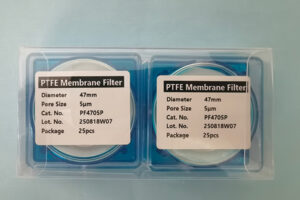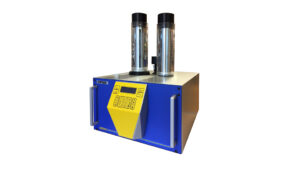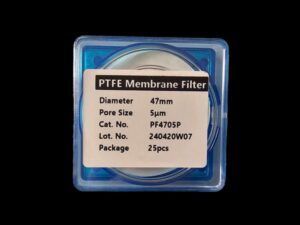

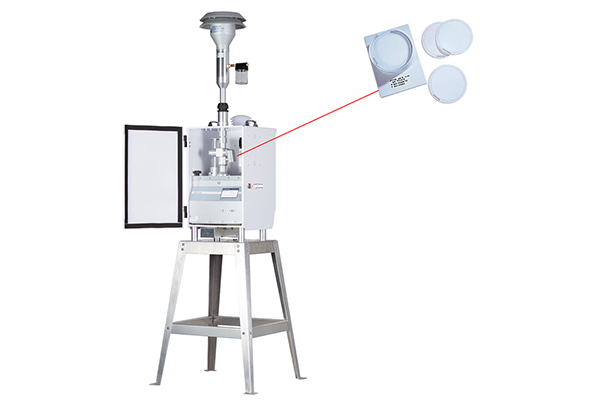
Worried about the accuracy of your ambient air quality data? Look no further. Our PM2.5 PTFE membrane filters[^1] are EPA-compliant[^2] and designed for precise monitoring.
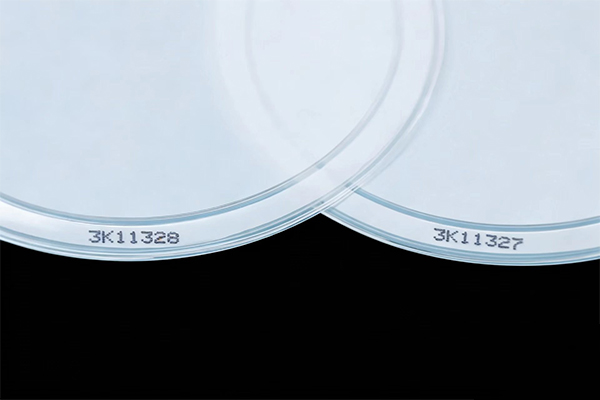
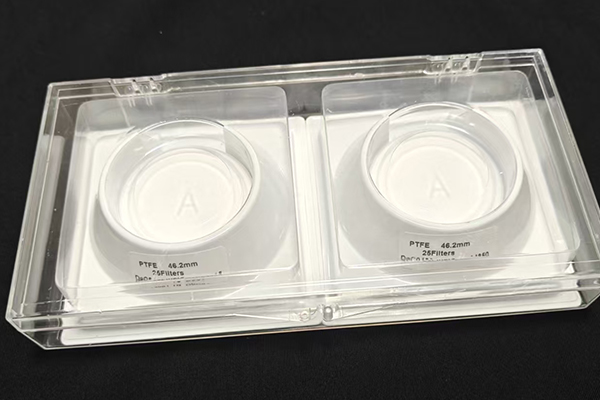
The PM2.5 PTFE membrane filter is an EPA-compliant[^2] tool for ambient air quality monitoring[^3]. It features a 46.2mm diameter, 2.0µm pore size, and a chemically resistant polypropylene support ring. Each filter is sequentially numbered for accurate sample tracking.
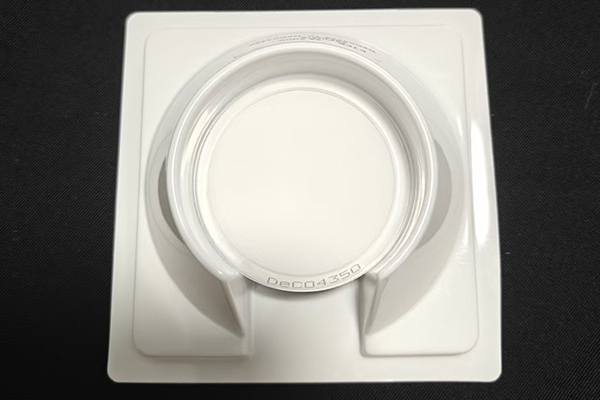
The demand for precise air quality data is ever-increasing. Our filters ensure reliability and accuracy. Let’s explore what makes these filters stand out.
How Does the Advanced Support Ring Design Enhance Filter Performance?
Tired of membrane sagging issues? Our advanced support ring design[^4] tackles that problem head-on.
The polypropylene support ring in our filters provides structural integrity and prevents membrane sagging under vacuum or pressure differentials. This ensures uniform flow distribution across the filter surface, enabling robotic handling and automated sampling systems[^5] while maintaining the membrane's flat profile.
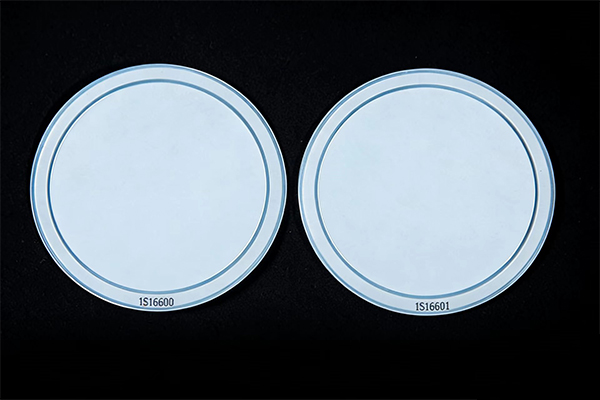
Understanding the mechanics behind the support ring is crucial for appreciating its benefits. The ring's design helps distribute pressure evenly, reducing stress on any one part of the membrane. This prevents deformation and ensures consistent airflow. By maintaining the membrane's shape, the ring aids in effective filtration and accurate data collection. This design is especially useful for automated systems, which require precise and reliable equipment. Our filter's ability to maintain its structure under challenging conditions makes it a preferred choice in laboratories focused on ambient air quality.
Why is the Pore Size and Diameter Important for Air Quality Monitoring?
Confused about the importance of pore size? Our filters clarify why it matters.
The PM2.5 PTFE membrane filter's 2.0µm pore size and 46.2mm diameter are crucial for capturing fine particulate matter effectively. These specifications ensure high-resolution air quality data, meeting stringent monitoring standards.
Diving deeper into pore size and diameter[^6] reveals their importance in filtration efficiency[^7]. A 2.0µm pore size is ideal for capturing PM2.5 particles, essential for accurate air quality assessment. The 46.2mm diameter provides a sufficient surface area for collecting samples, allowing comprehensive analysis. These dimensions align with EPA requirements, ensuring compliance and reliability in data collection. By offering a balance between pore size and diameter[^6], our filters deliver precise results, making them indispensable in environmental monitoring.
How Does Temperature Stability Affect Filter Performance?
Worried about how temperature affects filter performance? Our filters are designed for stability.
The PM2.5 PTFE membrane filter is tested for temperature stability[^8] at 40°C ±2°C for 48 hours, with an average weight change of less than 20 µg. This ensures consistent performance in varying environmental conditions.
Temperature stability is a critical factor in filter performance. Fluctuations can affect a filter’s efficiency and accuracy. Our filters undergo rigorous testing to ensure minimal weight change, which indicates stability under temperature variations. This consistency is vital for reliable data, as it prevents errors caused by environmental changes. By maintaining integrity under different conditions, our filters offer dependable results, making them a trustworthy choice for air quality monitoring.
Conclusion
Our PM2.5 PTFE membrane filters[^1] offer reliable, accurate air quality monitoring with advanced design and precise specifications ensuring superior performance.
[^1]: Explore this link to understand how PM2.5 PTFE membrane filters enhance air quality monitoring accuracy.
[^2]: Learn about EPA compliance to ensure your air quality data meets regulatory standards.
[^3]: Explore the importance of ambient air quality monitoring for public health and environmental safety.
[^4]: Discover the advantages of support ring design in maintaining filter integrity and performance.
[^5]: Discover how automated sampling systems enhance the efficiency and accuracy of air quality monitoring.
[^6]: Understand the significance of pore size and diameter for effective filtration and data accuracy.
[^7]: Learn about the key factors that affect filtration efficiency for better air quality assessment.
[^8]: Find out how temperature stability ensures reliable filter performance in varying conditions.