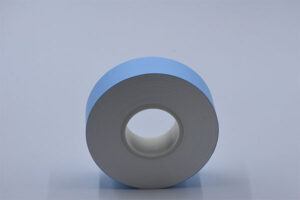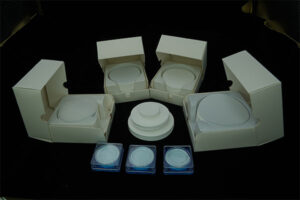

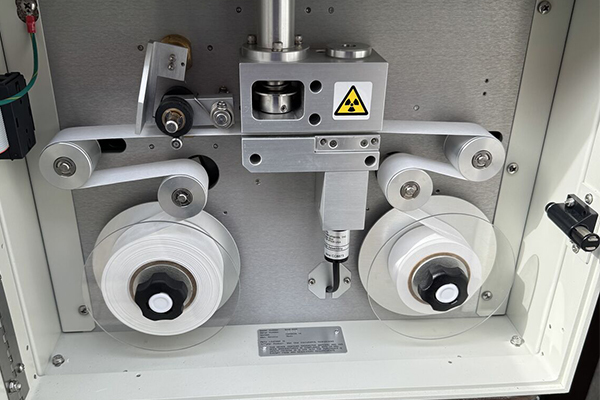
BAM 1020 filter tape[^1] is vital for air quality monitoring, yet its service life can be compromised by long-term storage[^2] or counterfeit products[^3].
The service life of BAM 1020 filter tape[^1] is affected by storage conditions, exposure to environmental elements, counterfeit materials, and equipment malfunction[^4]. Proper storage and handling can extend its longevity and ensure reliable monitoring results.
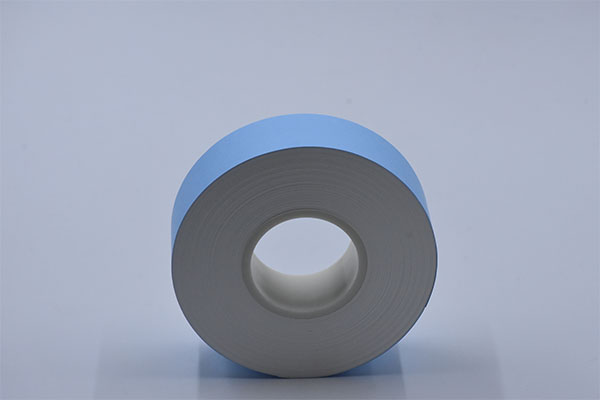
Understanding how these factors impact the BAM 1020 filter tape[^1]'s service life is essential for maintaining air quality monitoring accuracy[^5]. Let's delve deeper into each factor to ensure optimal performance.
How does long-term storage[^2] impact BAM 1020 filter tape[^1]?
Improper storage can lead to premature degradation of BAM 1020 filter tape[^1], reducing its effectiveness in monitoring air quality and compromising results.
Long-term storage of BAM 1020 filter tape[^1], particularly in suboptimal conditions, can cause deterioration of its hydrophobic glass microfiber properties. Avoiding moisture, heat, and direct sunlight is crucial to preserve the tape's performance.

BAM 1020 filter tape[^1] comprises hydrophobic glass microfibers[^6] with organic binders, offering excellent retention for particles between 0.3-0.5 microns. To maintain these properties, storage in cool, dry, and low-light environments is recommended. Additionally, sealing the tape to prevent exposure to contaminants prolongs its usability. Regular inspections can help detect any degradation early, prompting timely replacements to maintain monitoring accuracy[^5].
How do counterfeit products[^3] affect BAM 1020 filter tape[^1]'s lifespan?
Counterfeit filter tapes can dramatically reduce the effectiveness and accuracy of air quality monitoring systems, leading to unreliable data collection.
Counterfeit BAM 1020 filter tape[^1]s often lack the quality and specifications of authentic products, compromising filtration efficiency and service life. Using genuine tapes ensures reliable performance and accurate monitoring.
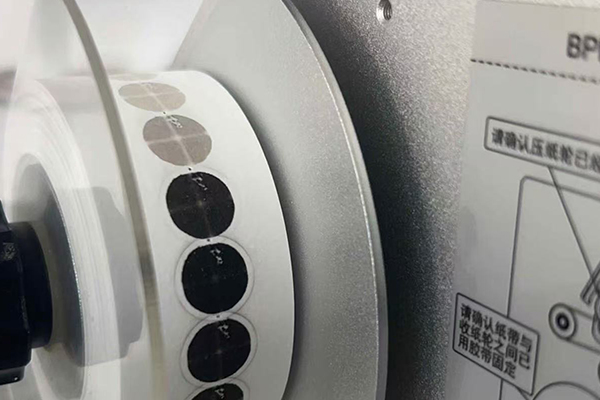
Authentic BAM 1020 filter tape[^1]s are designed to provide over 99.995% retention for standard particles, crucial for PM2.5 and PM10 monitoring. Counterfeit versions may fail to match these standards, leading to inaccurate readings and potential equipment damage. Verification through reputable manufacturers like Hua Env, coupled with certification checks, can safeguard against counterfeit risks. Remember, the cost savings from counterfeit products[^3] often result in long-term expenses due to compromised data integrity and equipment damage.
What role does equipment malfunction[^4] play in filter tape lifespan?
Equipment malfunction can cause undue stress on BAM 1020 filter tape[^1], leading to premature wear and inaccurate monitoring results.
Malfunctioning air quality monitors, such as continuous particulate monitors, can exert excessive pressure on BAM 1020 filter tape[^1]s, shortening their service life and compromising monitoring accuracy[^5].
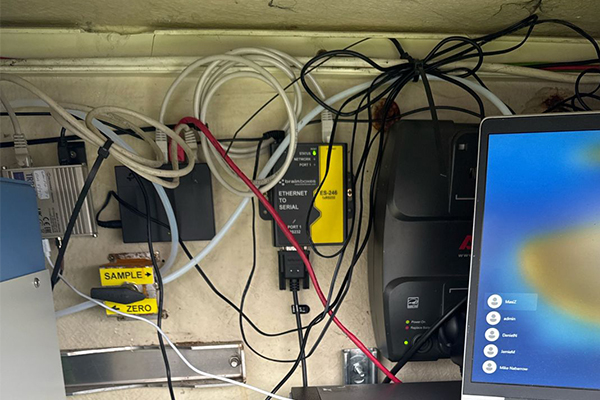
Continuous particulate monitors rely heavily on BAM 1020 filter tape[^1]s for accurate air quality readings. If the equipment malfunction[^4]s, it may improperly handle the tape, causing physical damage or data inaccuracies. Regular equipment maintenance, including calibration and repair, is essential to protect filter tapes from unnecessary strain. Monitoring systems should be inspected routinely to ensure they operate within specified parameters. Offering trial samples for continuous particulate monitors can help identify any compatibility issues early, ensuring the longevity of the filter tapes.
Conclusion
Proper storage, use of authentic products, and regular equipment maintenance are key to maximizing the lifespan of BAM 1020 filter tape[^1].
[^1]: Explore this link to understand the significance of BAM 1020 filter tape in ensuring accurate air quality monitoring.
[^2]: Learn about the impact of long-term storage on filter tape to ensure optimal performance and reliability.
[^3]: Discover the dangers of counterfeit products and how they can compromise air quality monitoring accuracy.
[^4]: Understand the relationship between equipment malfunction and filter tape lifespan to maintain monitoring accuracy.
[^5]: Explore the various factors that affect monitoring accuracy to enhance your air quality assessment strategies.
[^6]: Delve into the properties of hydrophobic glass microfibers to appreciate their importance in filter tape performance.