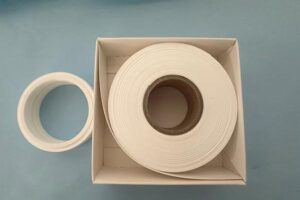

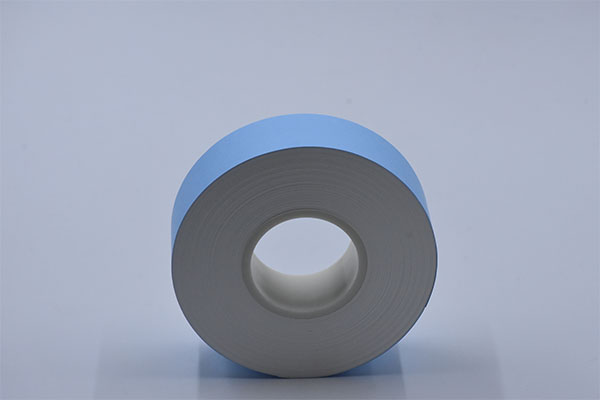
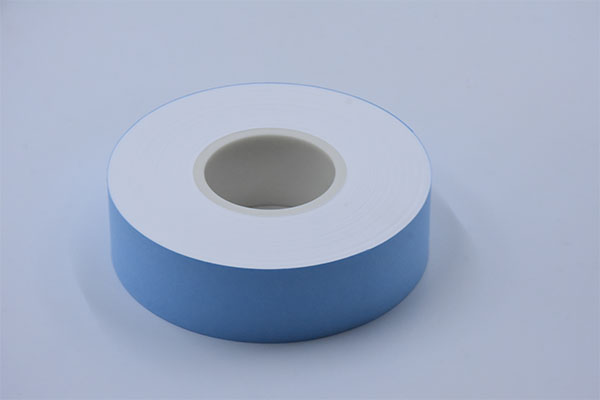
BAM Glass Fiber Filter Tape Roll[^1] is designed specifically for use with specific particulate monitors, and its compatibility with other equipment is a common query among users. This filter tape roll, crafted from hydrophobic glass microfiber with an organic binder, is known for its high flow rate[^2] and impressive particle retention. It boasts a low non-specific adsorption[^3], excellent weight and mechanical stability, and can withstand high temperatures up to 180℃.
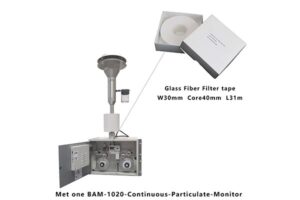
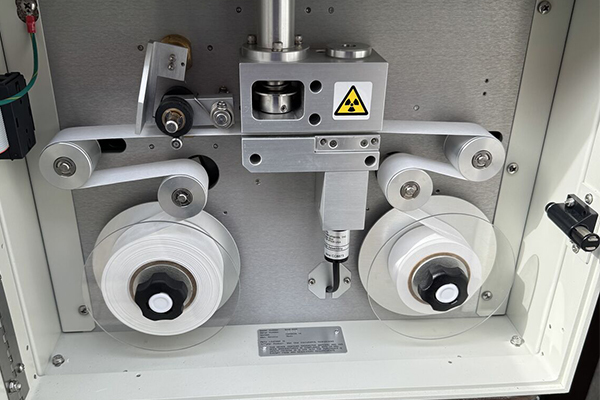
Determining compatibility depends largely on the specifications of the equipment in question. BAM Glass Fiber Filter Tape Roll[^1] is primarily compatible with the Met One BAM-1020 Continuous Particulate Monitor[^4] and the Thermo Scientific 5030i Continuous Particulate Monitor. These devices utilize the specific properties of the BAM filter for accurate PM2.5/PM10 online monitoring, as well as aerosol and carbon black collection using β-ray or infrared weighing methods.
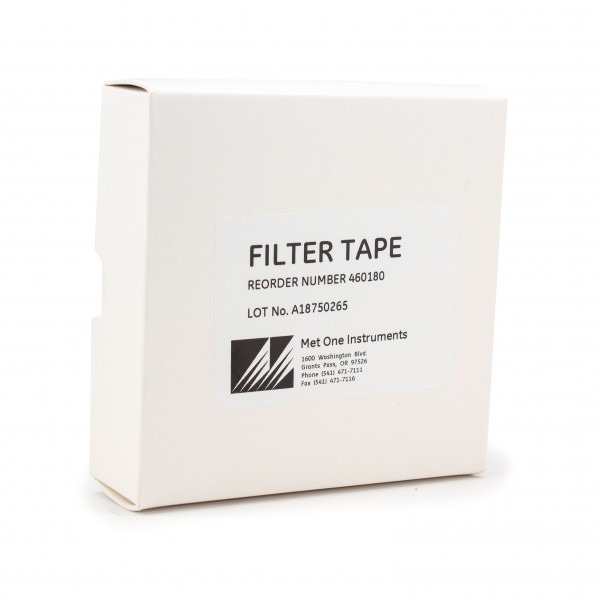
What makes BAM Glass Fiber Filter Tape Roll[^1] unique?
The unique composition of BAM Glass Fiber Filter Tape Roll[^1] sets it apart. Its hydrophobic nature paired with an organic binder contributes to its rapid flow rate and efficient particle capture, making it ideal for specific monitors. With a particle retention rate greater than 99.995%[^5] for standard 0.3-0.5um particles, this roll excels in providing reliable, consistent monitoring results.
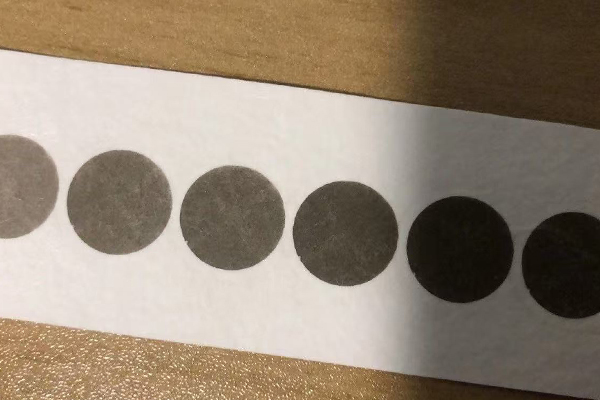
The tape roll's properties are tailored to meet the demands of continuous particulate monitoring systems. The low non-specific adsorption[^3] ensures minimal interference during particle collection, while the mechanical and weight stability provide consistent performance even under high-temperature conditions. This durability and efficiency make the BAM Glass Fiber Filter Tape Roll[^1] indispensable for precise air quality monitoring.
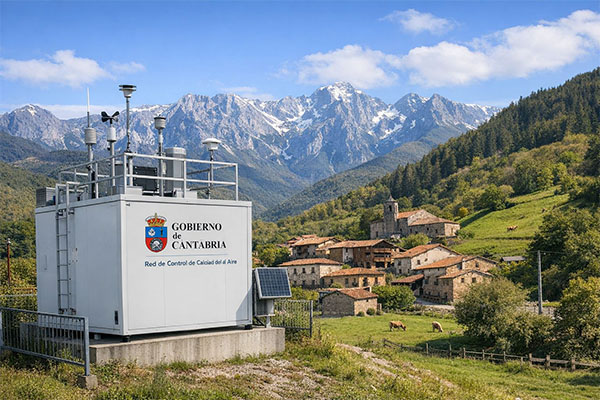
Can the BAM filter roll be used outside its intended equipment?
While BAM Glass Fiber Filter Tape Roll[^1] is primarily manufactured for specific equipment, its properties suggest potential for broader applications. The roll's robustness and high-temperature resistance[^6] imply it could be beneficial in environments demanding stringent particle analysis, though compatibility must be verified.
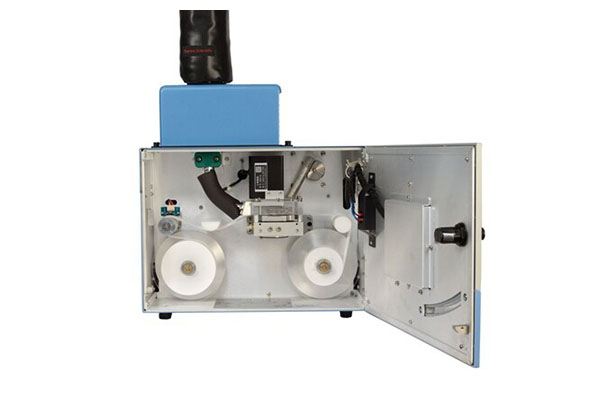
Exploring its use in other systems requires careful consideration of the equipment's specifications and the desired monitoring outcomes. The BAM filter's unique composition and performance characteristics may offer advantages in environments similar to those of its primary application, but tailored adjustments and testing are essential to ensure optimal results.
Conclusion
BAM Glass Fiber Filter Tape Roll[^1]'s specialized design makes it perfectly compatible with select monitors, though its properties hint at potential broader uses. Understanding its unique features is key to unlocking its full potential.
[^1]: Discover the unique applications and benefits of BAM Glass Fiber Filter Tape Roll in air quality monitoring.
[^2]: Explore why a high flow rate is crucial for effective filtration and monitoring in various applications.
[^3]: Find out how low non-specific adsorption enhances the performance of filter materials in monitoring systems.
[^4]: Learn about the functionality and advantages of the Met One BAM-1020 in particulate monitoring.
[^5]: Understand the significance of high particle retention rates in ensuring accurate air quality measurements.
[^6]: Investigate materials that can withstand high temperatures and their applications in filtration technology.