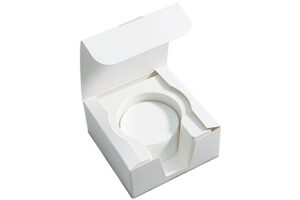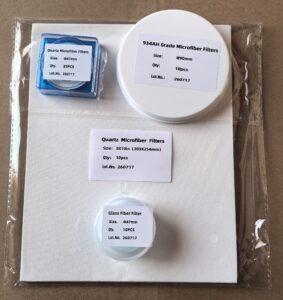

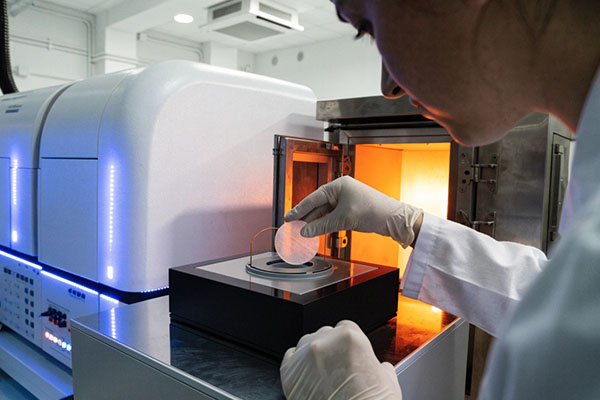
Air quality affects us all. Knowing how to sample and test air can make a big difference in health and safety.
Air sampling and testing filters are essential tools for measuring pollutants like PM2.5, PM10, and TSP. They help ensure compliance with regulations and monitor environmental health.
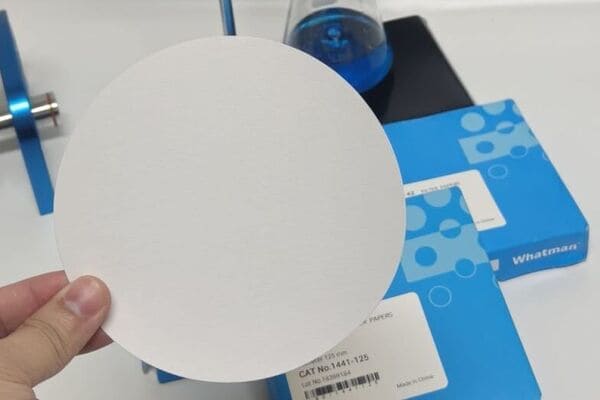
Air sampling is not just about collecting data. It's about understanding the air we breathe. Quality control is vital. Poor sampling can lead to inaccurate results.[^1] This affects public health and regulations. I've seen how crucial the right filters are in ensuring reliable data for environmental monitoring. Let's dive into the specifics.
What are the main applications of air sampling filters?
Air sampling filters are used in a variety of applications. These include measuring particulate matter like PM2.5, PM10, and TSP. Each of these has its significance.
PM2.5 represents fine particles that can penetrate deep into the lungs. PM10 includes larger particles that can still pose health risks. TSP refers to total suspended particles, indicating overall air quality.
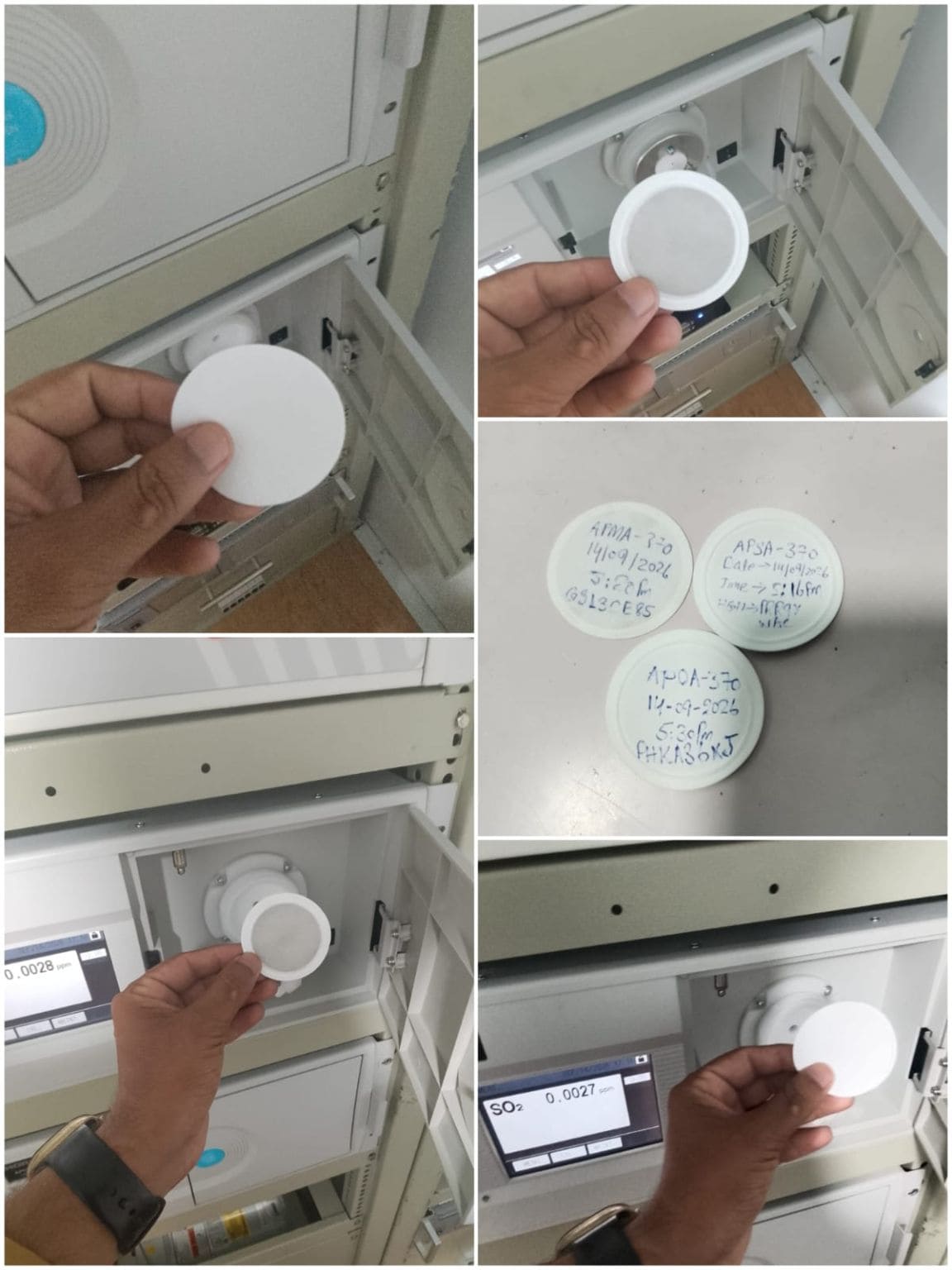
Sampling these particles is essential for air quality monitoring. I remember when I worked on a project that measured PM2.5 levels in urban areas. The results were eye-opening. We found that certain areas had alarming levels of fine particles. This data pushed local authorities to take action.
Let's look deeper into the applications:
| Application | Description |
|---|---|
| PM2.5 Sampling | Measures fine particulate matter for health impact. |
| PM10 Sampling | Captures larger particles affecting respiratory health. |
| Total Suspended Particles (TSP) | Overall assessment of air quality. |
| Organic Compound Determination | Identifies harmful organic pollutants in the air. |
| Inorganic Compound Determination | Measures toxic inorganic substances in the atmosphere. |
| Smoke Stack Gas Monitoring | Monitors emissions from industrial sources. |
In my experience, having the right filters made a noticeable difference. They ensured that we captured the full range of pollutants. This was critical for our reports and recommendations.
How are organic and inorganic compounds determined in ambient air?
Air contains various organic and inorganic compounds. Knowing how to measure these is vital for understanding air quality.
Organic compounds, such as volatile organic compounds (VOCs), are emitted from everyday products. In contrast, inorganic compounds include metals and other toxic substances.
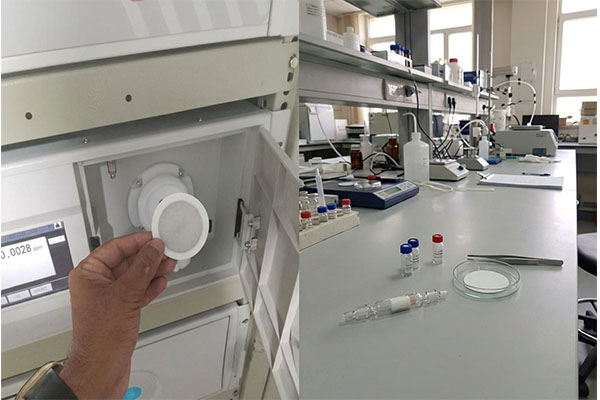
Sampling for these compounds requires specific filters. For example, using a PTFE membrane can effectively trap VOCs. On the other hand, quartz filters are better for capturing metals.
The process is straightforward. Air is pulled through these filters. The collected compounds are then analyzed in a laboratory. I recall a project where we sampled air around chemical plants. The findings highlighted significant levels of both organic and inorganic pollutants. This data was essential for regulatory compliance and public health.
What role does smoke stack gas monitoring play?
Smoke stack gas monitoring is another critical application. Industrial facilities often release various pollutants into the atmosphere. Monitoring these emissions helps ensure compliance with environmental regulations.
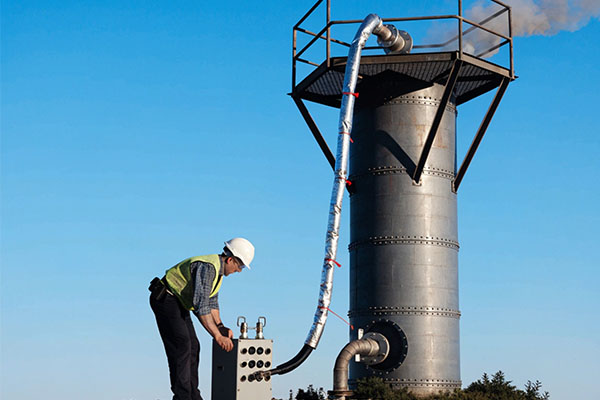
Using the right filters is crucial in this process. They need to withstand high temperatures and corrosive gases. I once worked with a team to monitor emissions from a coal-fired power plant. The filters we used helped us identify key pollutants, such as sulfur dioxide and nitrogen oxides. This data was vital for the plant's compliance with environmental standards.
Which EPA methods are used for air sampling?
The Environmental Protection Agency (EPA) has established several methods for air sampling. These methods ensure consistent and accurate data collection.
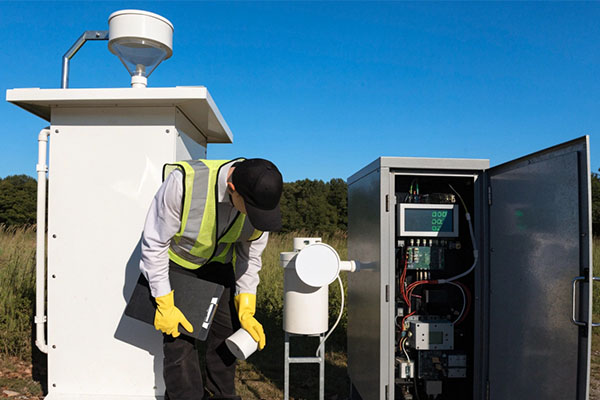
The FRM is used for measuring PM2.5 and PM10. It sets specific standards for the sampling process. The FEM, on the other hand, offers alternative approaches that meet EPA standards.
Understanding these methods is critical. I've seen how following EPA guidelines ensures the validity of our findings. Accurate data collection affects everything from regulatory compliance to public safety.
Conclusion
Air sampling and testing filters play a vital role in monitoring air quality and ensuring public health. Understanding their applications helps us protect our environment.
[^1]: "Quality Assurance Handbook for Air Pollution ...", https://www.epa.gov/sites/default/files/2020-10/documents/final_handbook_document_1_17.pdf. Quality-assurance guidance for air monitoring states that sampling design, sampler operation, and handling procedures affect data quality and can introduce measurement error. Evidence role: mechanism; source type: government. Supports: Poor sampling can lead to inaccurate air monitoring results.. Scope note: The source would establish the general mechanism of sampling error rather than evaluate the article author's specific projects.
[^2]: "EMC Promulgated Test Methods", https://www.epa.gov/emc/emc-promulgated-test-methods. Stack-testing methods from environmental regulators specify collection of samples from emission points to determine pollutant concentrations and emission rates from stationary sources. Evidence role: mechanism; source type: government. Supports: Direct smoke-stack sampling can be used to assess the types and levels of pollutants released.. Scope note: The source supports the principle of stack sampling; specific pollutants and accuracy depend on the method, equipment, and operating conditions.
[^3]: "Air Monitoring Methods - Criteria Pollutants", https://www.epa.gov/amtic/air-monitoring-methods-criteria-pollutants. EPA documentation describes Federal Reference Methods and Federal Equivalent Methods as approved approaches for measuring criteria pollutants in ambient air monitoring networks. Evidence role: definition; source type: government. Supports: Federal Reference Method and Federal Equivalent Method are common EPA-recognized air sampling and monitoring methods.. Scope note: The source can establish regulatory status and use, but the phrase "most common" may require additional monitoring-network usage data.