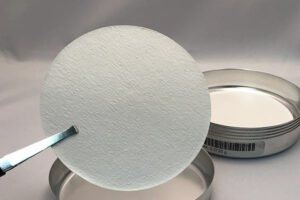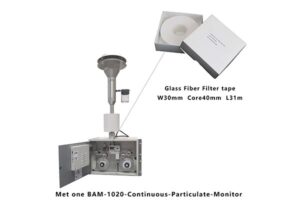


The BAM 1020 filter tape is a key component in air quality monitoring[^1]. Its precise design aids in accurate measurements of particulate matter[^2], making it vital for environmental monitoring.
The BAM 1020 filter tape operates using a method that is essential for the measurement of PM10 and PM2.5 concentrations[^3]. It combines a sampling process, particle deposition, and data detection to provide real-time results[^4].

In this post, I'll explain how the BAM 1020 filter tape works, highlighting the unique technology behind it. Understanding this process can help you appreciate its importance in air quality monitoring and its role in various industries.
How Does the Sampling Process Work?
The sampling process is crucial for obtaining accurate air quality data. The BAM 1020 system draws ambient air through an inlet at a controlled flow rate[^5]. This ensures that the sample represents the surrounding environment. A precision motor automatically advances a 21-meter PTFE filter tape[^6].
Through this process, the filter tape collects airborne particles present in the ambient air. This procedure is conducted for a defined sampling period of 42 minutes[^7], ensuring that adequate particulate matter is collected for analysis.
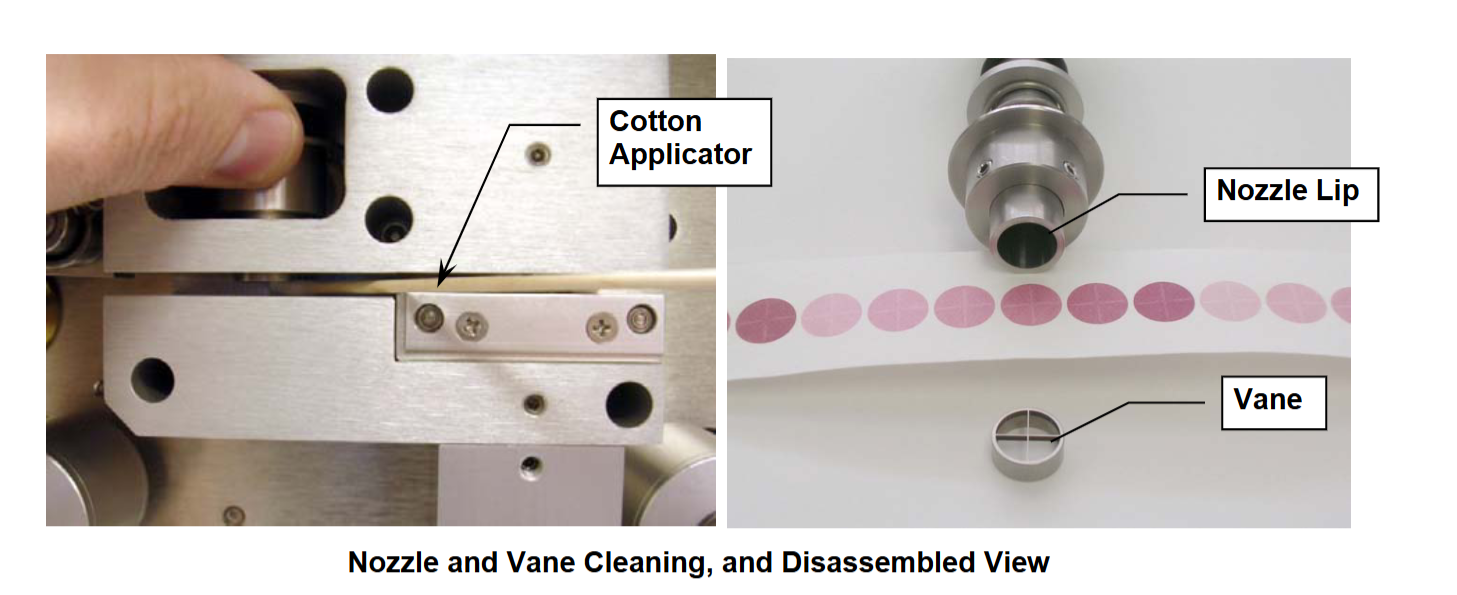
The combination of controlled airflow and automatic tape advancement optimizes the collection of particulate matter. This method enhances the reliability of the data collected through the BAM 1020 system.
What Happens During Particle Deposition?
Once the air is drawn through the inlet, airborne particulate matter begins to deposit onto the filter tape. During the 42-minute sampling period, particles accumulate at a specific spot on the tape.
This deposition is crucial, as it allows for the direct measurement of PM10 and PM2.5 concentrations. The more particles that deposit, the more data we can analyze later on.
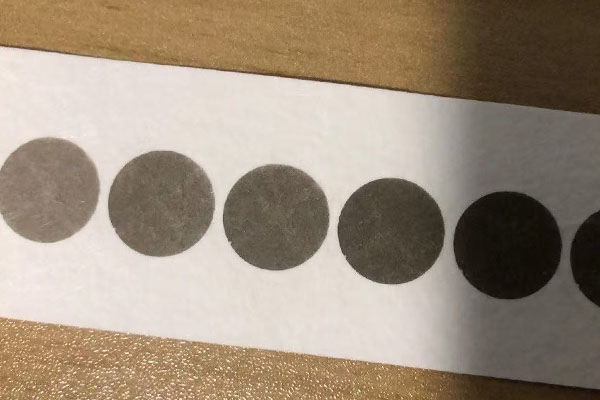
The careful control of the sampling period ensures that the data collected reflects real-time environmental conditions. By understanding how particles are deposited, we can better appreciate the significance of the BAM 1020 in air quality assessments.
How Are Measurements and Detection Conducted?
The BAM 1020 features a beta radiation source and a detector positioned on either side of the filter tape. As particles accumulate on the tape, they attenuate the beta radiation passing between the source and the detector.
This attenuation is directly proportional to the mass of particulate matter[^8] collected on the tape. The more particles present, the greater the attenuation of the beta radiation.
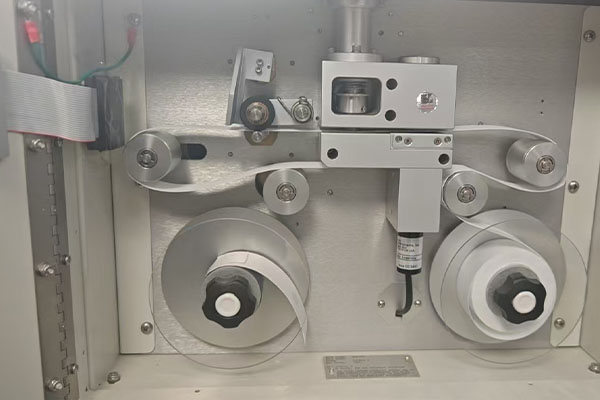
This method is critical because it provides a reliable means of quantifying particulate concentration in the sampled air. By accurately measuring the degree of attenuation, we can gain insights into air quality.
How is Data Collected and Reported?
After the measurements are taken, the BAM 1020 system calculates the concentration of PM10 and PM2.5 in micrograms per cubic meter (µg/m³). This calculation takes into account the measured mass, sampled air volume, and time.
The system automatically repeats this cycle, providing continuous and real-time air quality data. This capability is essential for monitoring and responding to air quality issues as they arise.
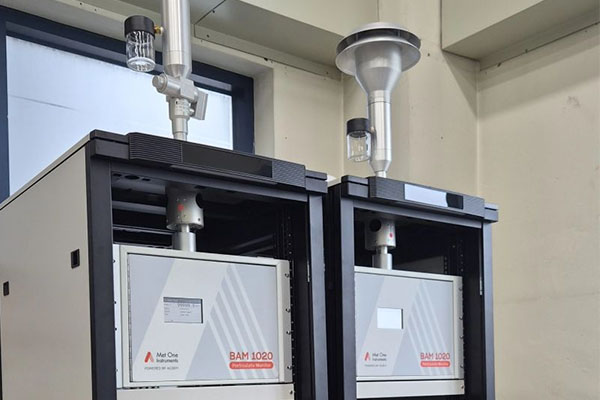
Having access to continuous real-time data allows environmental monitoring professionals to make informed decisions and take necessary actions quickly.
Conclusion
The BAM 1020 filter tape is essential for accurate air quality monitoring. Its sophisticated technology ensures reliable data collection, helping us understand and manage air pollution effectively.
[^1]: "[PDF] Standard Operating Procedure for the Continuous Measurement of ...", https://www.epa.gov/sites/production/files/2021-03/documents/905505_bam_sop_draft_final_oct09.pdf. An EPA or equivalent-methods source supports that beta attenuation monitors such as the BAM 1020 are used in regulatory ambient particulate-matter monitoring networks. Evidence role: general_support; source type: government. Supports: The BAM 1020 filter tape is a key component in air quality monitoring.. Scope note: This supports the instrument's recognized monitoring role, not that the filter tape alone is independently 'key.'
[^2]: "Standard Operating Procedure for the Continuous ...", https://www.epa.gov/sites/production/files/2021-03/documents/905505_bam_sop_draft_final_oct09.pdf. EPA equivalent-method documentation indicates that approved PM monitors must meet performance criteria for measuring particulate matter under specified operating conditions. Evidence role: expert_consensus; source type: government. Supports: The BAM 1020 filter tape's design aids accurate measurements of particulate matter.. Scope note: Equivalent-method approval supports suitability under defined conditions; it does not guarantee accuracy in every installation or maintenance state.
[^3]: "Method IO-1 - Continuous Measurements of PM10 ...", https://www.epa.gov/sites/default/files/2019-11/documents/overvw1.pdf. Technical and regulatory descriptions of beta attenuation monitors state that they are used to determine ambient PM10 and PM2.5 mass concentrations by collecting particles on filter media and measuring mass accumulation. Evidence role: definition; source type: government. Supports: The BAM 1020 filter tape operates using a method used for measuring PM10 and PM2.5 concentrations.. Scope note: The source should be used to document the measurement principle generally; model-specific configuration may vary by inlet and instrument setup.
[^4]: "Met One BAM 1020 Operating Procedure", https://apps.ecology.wa.gov/publications/documents/1702005.pdf. Government and technical sources describe BAM instruments as automated continuous or near-real-time monitors that report particulate concentrations at regular intervals. Evidence role: general_support; source type: government. Supports: The BAM 1020 sampling, deposition, and detection process provides real-time air-quality results.. Scope note: The term 'real-time' is contextual because BAM systems usually report averaged interval data rather than instantaneous particle concentrations.
[^5]: "List of Designated Reference and Equivalent Methods", https://www.epa.gov/system/files/documents/2026-07/amtic-list-july-2026_508-compliant.pdf. Particulate-matter monitoring methods specify controlled volumetric flow because sampled air volume is required to calculate mass concentration and maintain size-selective inlet performance. Evidence role: mechanism; source type: government. Supports: The BAM 1020 draws ambient air through an inlet at a controlled flow rate to support representative and quantitative sampling.. Scope note: This supports the need for flow control generally; the exact flow setting should be verified from the BAM 1020 manual or applicable method designation.
[^6]: "Met One BAM 1020 Operating Procedure", https://apps.ecology.wa.gov/publications/documents/1702005.pdf. The BAM 1020 technical manual specifies the use and dimensions/material of the filter tape used for sample collection. Evidence role: case_reference; source type: other. Supports: A precision motor automatically advances a 21-meter PTFE filter tape in the BAM 1020.. Scope note: This is a model-specific specification and is best supported by manufacturer or agency-hosted instrument documentation rather than a general scientific source.
[^7]: "Standard Operating Procedure for the Continuous ...", https://www.epa.gov/sites/production/files/2021-03/documents/905505_bam_sop_draft_final_oct09.pdf. BAM 1020 operating documentation describes the standard sample-collection portion of the measurement cycle, including the 42-minute sampling interval used before measurement and reporting steps. Evidence role: case_reference; source type: other. Supports: The BAM 1020 conducts particle collection for a defined sampling period of 42 minutes.. Scope note: This supports the standard cycle described in the manual; configured sampling schedules or firmware versions may differ.
[^8]: "Met One BAM 1020 Operating Procedure", https://apps.ecology.wa.gov/publications/documents/1702005.pdf. Scientific descriptions of beta attenuation monitoring explain that the attenuation of beta radiation through collected particulate matter is related to the mass deposited on the filter according to beta absorption principles. Evidence role: mechanism; source type: paper. Supports: Beta radiation attenuation is directly proportional to the mass of particulate matter collected on the tape.. Scope note: The relationship is typically calibrated and affected by instrument geometry, filter material, and particle composition; 'directly proportional' is an operational approximation within the calibrated range.