

The importance of quality filtration in laboratories cannot be overstated. If you're looking for reliable filtration solutions, glass microfiber filters should top your list.
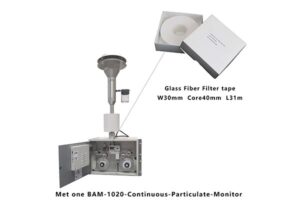
Glass microfiber filters, made from 100% borosilicate glass fibers[^1], are essential for laboratory filtration. They are widely used in analyzing suspended solids, air quality monitoring[^2], and more.
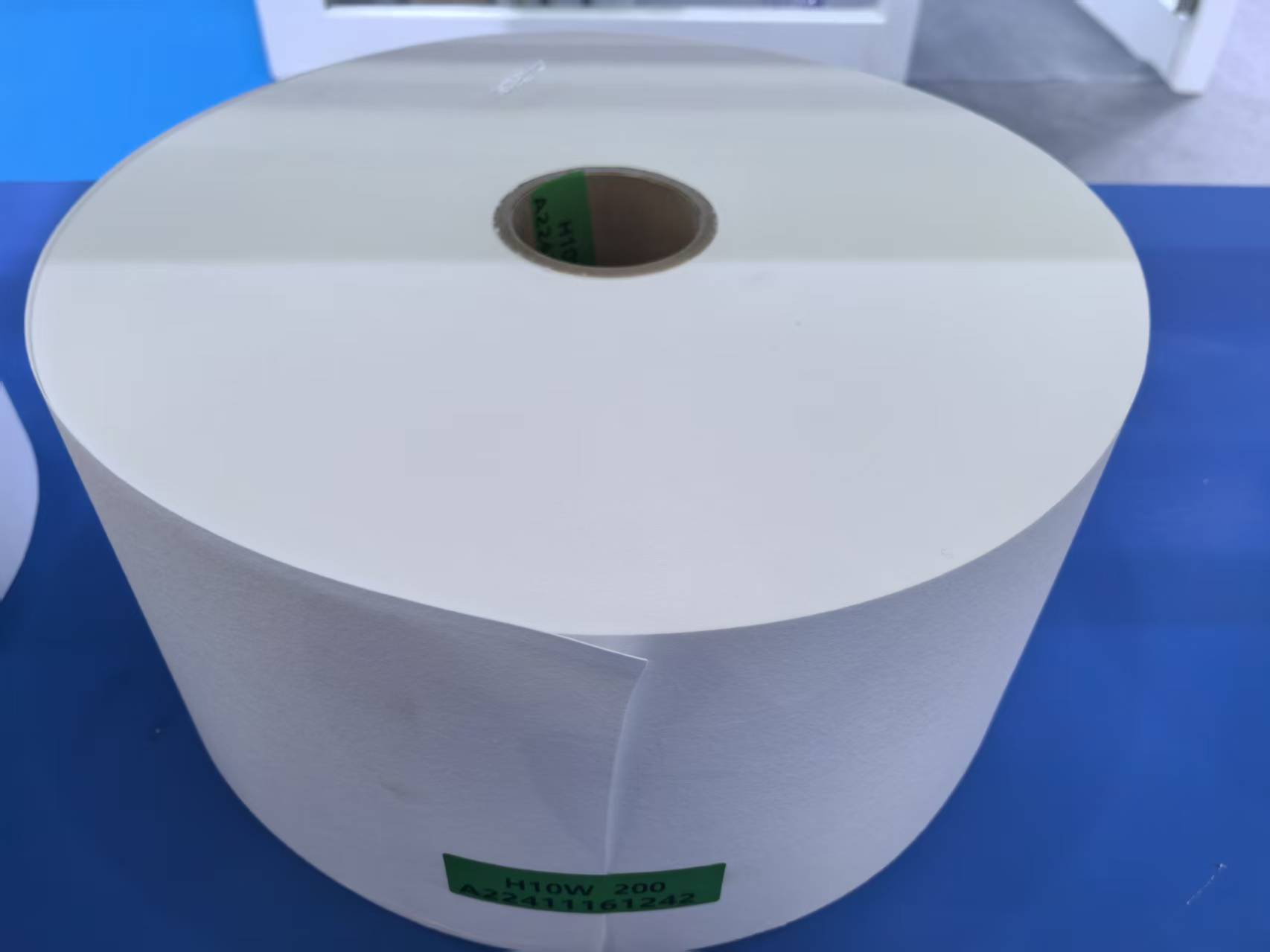
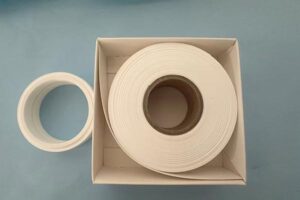
In my experience, glass microfiber filters come in two types: adhesive and non-adhesive. The non-adhesive type can withstand high temperatures, making them ideal for various lab applications. They offer high flow rates and can capture submicron particles effectively. Their chemical and biological inertness adds to their appeal in sensitive laboratory environments.
What Makes Glass Microfiber Filters Stand Out?
The advantages of glass microfiber filters extend beyond just their materials. They provide robustness and reliability that you won't find in many other options.
These filters offer high loading capacity and can retain particles in the size range of 0.7 to 2.7 μm[^3]. They are also resistant to temperatures soaring up to 500-550°C for non-adhesive types.
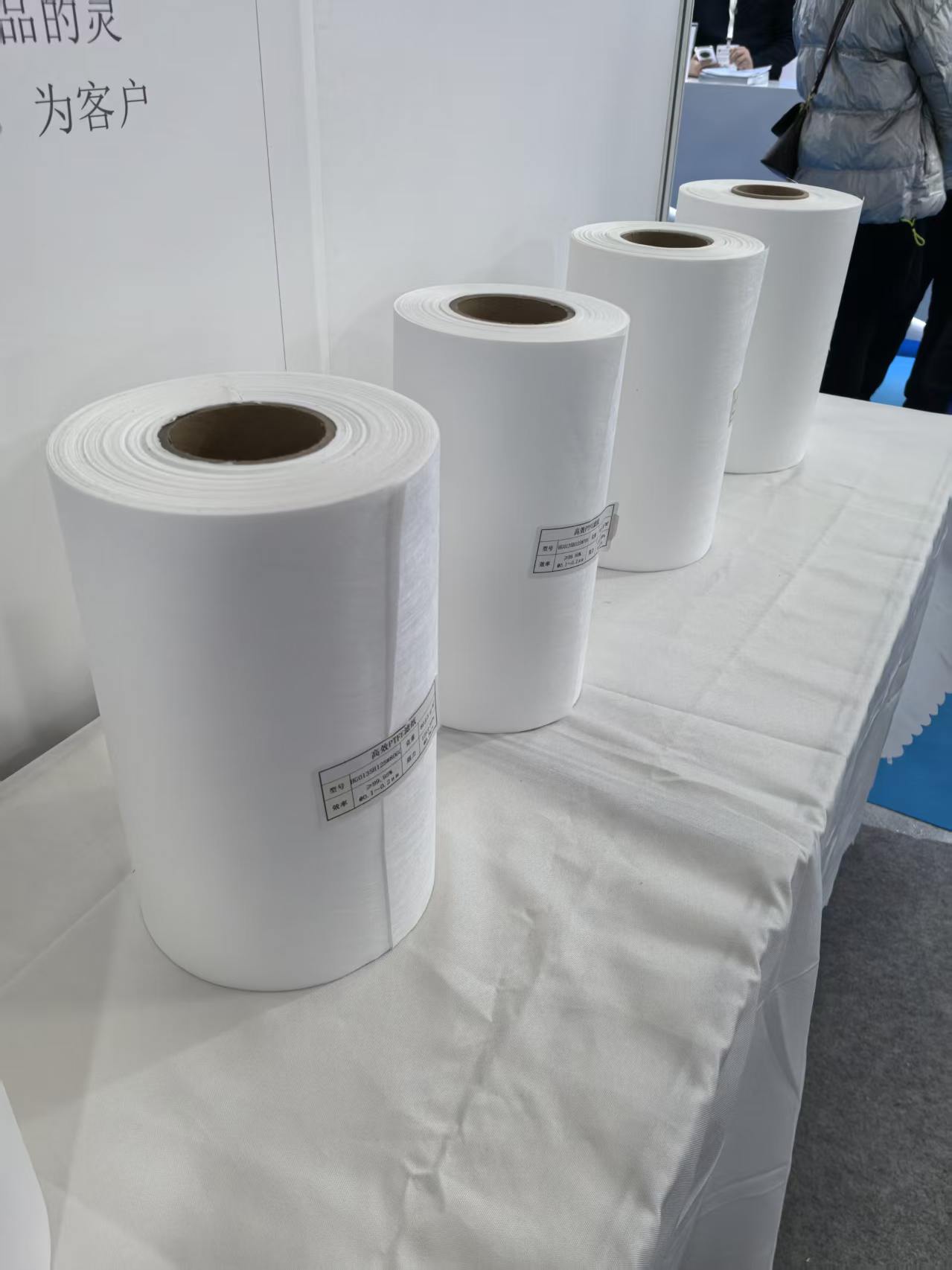
The market for glass microfiber filters is interesting. High-purity laboratory-grade products are mainly dominated by a handful of global players, particularly in the non-adhesive borosilicate series. On the other hand, the industrial and air filtration segment has many suppliers. The global market for glass microfiber filter paper and membranes is valued at around $1.8 billion in 2024, with projections reaching $2.5 billion by 2030[^4]. This growth is driven by demands from pharmaceuticals, biotechnology, and environmental monitoring.
The Growth of Glass Microfiber Filters in Laboratories
As the laboratory segment continues to grow, it faces challenges and opportunities. The demand is influenced by regulations and compliance standards such as EPA Method 2540 and EN 872. While Western countries are familiar with these products, the rapid growth in China's economy cannot be ignored.
HuaEnv stands out because we have our own technology and mature production lines. We can manufacture roll glass microfiber filters and can also perform slitting. This flexibility positions us well in a competitive market.
Conclusion
In summary, glass microfiber filters are invaluable for laboratory filtration, offering numerous benefits that improve the quality and reliability of your results.
[^1]: "[PDF] Whatman filtration Product guide", https://macro.lsu.edu/howto/Whatman-filtration-product-guide.pdf. A materials or laboratory filtration reference should document that glass microfiber filter media are produced from borosilicate glass fibers, supporting the stated material composition. Evidence role: definition; source type: education. Supports: Glass microfiber filters are made from 100% borosilicate glass fibers.. Scope note: Support may describe common laboratory-grade glass microfiber media rather than every product sold under this category.
[^2]: "Review of Filters for Air Sampling and Chemical Analysis in ...", https://pmc.ncbi.nlm.nih.gov/articles/PMC10174218/. Standard methods and environmental monitoring references describe glass-fiber or glass microfiber filters as accepted media for suspended-solids analysis and particulate air sampling, supporting these common laboratory applications. Evidence role: general_support; source type: government. Supports: Glass microfiber filters are widely used in suspended-solids analysis and air quality monitoring.. Scope note: Such sources support typical uses of glass-fiber filtration media, not the suitability of every specific filter grade for all protocols.
[^3]: "Chemical Modification with Surface-Active Treatment - PMC", https://pmc.ncbi.nlm.nih.gov/articles/PMC11174125/. Technical or standards-based references on glass microfiber filter grades report nominal particle-retention ratings in the micrometre range, supporting the stated 0.7–2.7 μm retention range as a grade-dependent property. Evidence role: statistic; source type: research. Supports: Glass microfiber filters can retain particles in the size range of 0.7 to 2.7 μm.. Scope note: Particle retention is nominal and depends on filter grade, test method, particle type, and operating conditions.
[^4]: "Glass Microfiber Market Size, Share | Industry Forecast to ...", https://www.businessresearchinsights.com/market-reports/glass-microfiber-market-100911. A market research or industry analysis source should provide the reported 2024 valuation and 2030 forecast for glass microfiber filter paper and membrane products, supporting the article's market-size statement. Evidence role: statistic; source type: other. Supports: The global market for glass microfiber filter paper and membranes is valued at around $1.8 billion in 2024 and projected to reach $2.5 billion by 2030.. Scope note: Market-size estimates vary by methodology, product scope, geography, and whether industrial air-filtration products are included.