


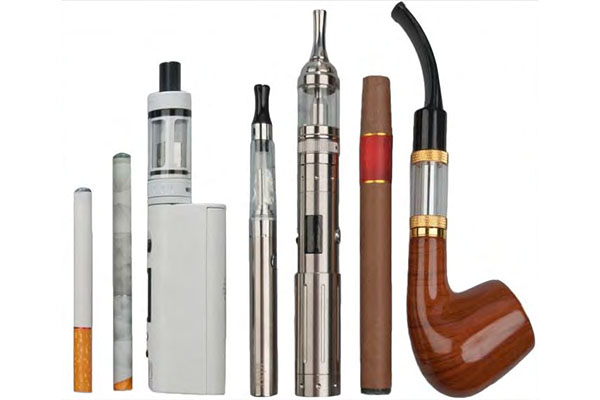
E-cigarettes have been around for a while, and many believed they were harmless. However, recent studies show they contain nicotine, which is addictive, even though they lack tar.
Cambridge filter pads[^1] are used to test e-cigarettes for tar and nicotine. These pads capture dry particulate matter and nicotine during smoke generation. High-performance liquid chromatography (HPLC) then measures the amounts of tar and nicotine collected.
While e-cigarettes lack tar, they contain harmful substances like benzene. Benzene levels in e-cigarette vapor can be thousands of times higher than in regular air, posing risks like leukemia and bone marrow failure. Smoking also increases PM2.5 concentration[^2], harming health.
Why Are E-cigarettes Still a Concern?
E-cigarettes were thought to be safer, but they still have risks. Benzene in e-cigarette vapor is a major concern for users' health.
Benzene in e-cigarette smoke can be thousands of times higher than in normal air, leading to serious health issues like leukemia and bone marrow failure.

E-cigarettes emit benzene, a known carcinogen. The vaporization at high temperatures increases benzene levels, posing health risks. Benzene exposure has been linked to leukemia and other severe illnesses. Moreover, e-cigarettes can cause a spike in PM2.5 levels in enclosed spaces. This particulate matter can harm respiratory health and aggravate existing conditions. Continuous exposure amplifies these risks.
How Is E-cigarette Regulation Changing?
Countries are taking action against e-cigarettes due to health and environmental concerns. China and other nations are implementing stricter regulations.
Since 2019, China has banned online e-cigarette sales, and in 2025, stricter regulations will be enforced. Countries like France and Kazakhstan also prohibit disposable e-cigarettes due to environmental and health concerns.
Governments worldwide are tightening e-cigarette regulation[^3]s. In China, the 2019 online sales ban marked the beginning of stricter controls. By 2025, further measures will limit production and sales. These regulations aim to protect consumers from health risks and reduce environmental impact, such as lithium battery pollution. Other countries are following suit. France and Kazakhstan have banned disposable e-cigarettes, citing health and environmental dangers. These international actions reflect a growing awareness of e-cigarettes' risks.
What Role Do Cambridge Filter Pads Play?
Cambridge filter pads[^1] are crucial in testing e-cigarettes for harmful substances. They capture particulate matter and nicotine during testing.
Cambridge filter pads[^1] intercept dry particles and nicotine in cigarette smoke. They are essential for measuring tar and nicotine levels in e-cigarettes using HPLC.

Testing e-cigarettes involves specialized methods to ensure accuracy. Cambridge filter pads[^1] are integral to this process. These pads capture particles and nicotine generated during smoking. Once collected, high-performance liquid chromatography (HPLC)[^4] measures the concentrations of tar and nicotine. This testing provides valuable data on e-cigarettes' health impacts. Manufacturers and regulators rely on this information to assess and mitigate risks. HuaEnv, a Chinese lab supplies manufacturer, uses these pads in global distribution. They invite partners interested in high-quality testing solutions.
Conclusion
E-cigarettes still pose health risks despite lacking tar. Cambridge filter pads[^1] help measure these risks by capturing harmful substances.
[^1]: Explore how Cambridge filter pads are essential for accurately measuring harmful substances in e-cigarettes.
[^2]: Understand the health risks associated with PM2.5 concentration and its impact on respiratory health.
[^3]: Stay informed about global e-cigarette regulations and their implications for public health and safety.
[^4]: Discover how HPLC is utilized in testing e-cigarettes for harmful substances and ensuring consumer safety.