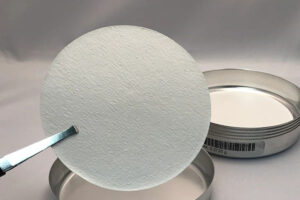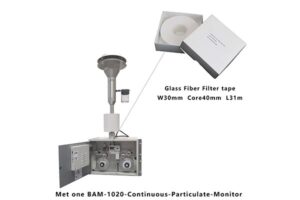

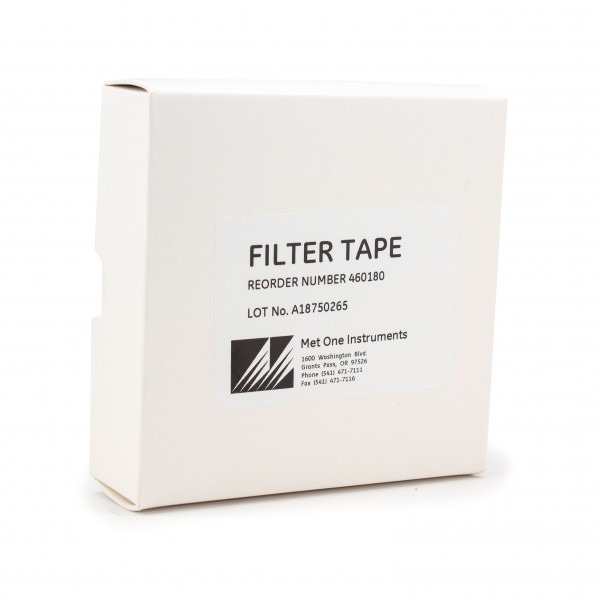
The BAM 1020 filter tape[^1], with its hydrophobic glass microfiber membrane[^2] and organic binder, offers exceptional particle retention rates[^3] beyond 99.995% for 0.3 to 0.5um particles. Its stability and high-temperature resistance[^4] make it indispensable for precise monitoring.
No, generic filter tapes cannot replace the original BAM 1020 filter tape[^1] because they lack the specific features required for accurate PM2.5/PM10 monitoring[^5] and aerosol collection[^6] using β-ray or infrared weighing methods[^7].
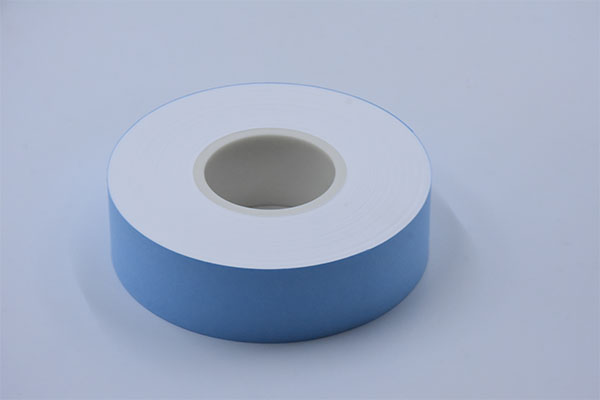
When considering alternatives, the BAM 1020 filter tape[^1] stands out for its specialized characteristics essential for monitoring PM2.5/PM10. Its unique composition and construction allow it to handle rapid flow rates while maintaining stability and precision, qualities not found in generic options.
What makes the BAM 1020 filter tape[^1] unique?
The BAM 1020 filter tape[^1], unlike generic tapes, is designed to maintain its integrity under high temperatures, up to 180℃. This feature is crucial for environments requiring robust materials that do not compromise accuracy.
The BAM 1020 filter tape[^1]'s glass microfiber membrane, embedded with an organic binder, ensures high retention efficiency. It excels in capturing particles within the 0.3-0.5um range with a retention rate exceeding 99.995%, which is critical for precise environmental monitoring.
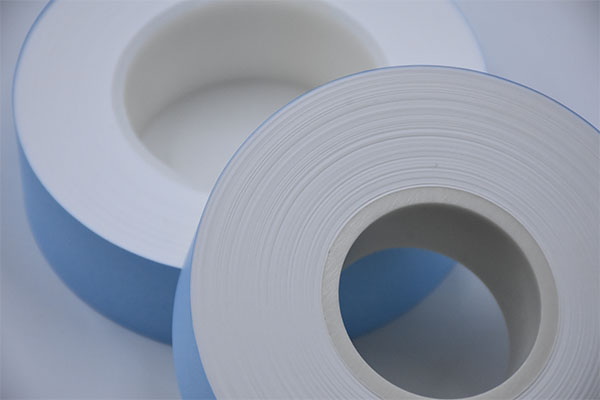
Diving deeper, the BAM 1020 filter tape[^1]'s distinct hydrophobic nature and low non-specific adsorption[^8] make it ideal for accurate PM2.5/PM10 measurement. The tape's weight and mechanical stability ensure consistent results. This tape is not easily replaced by generic alternatives due to its specific construction and performance characteristics. The filter tape is a roll-style membrane used in online monitoring systems like PM2.5/PM10, designed for quantitative analysis through β-ray or infrared weighing methods[^7]. Its design allows for effective collection of aerosol and black carbon, essential for environmental assessments where precision is paramount.
Why is BAM 1020 filter tape[^1] crucial for accurate monitoring?
Precise monitoring requires filter tapes that can withstand environmental challenges while delivering reliable data. BAM 1020 filter tape[^1]s possess attributes that address these needs effectively.
The BAM 1020 filter tape[^1]’s resistance to high temperatures ensures it performs reliably in harsh conditions. This feature enables consistent particle collection without compromising data integrity, essential for accurate environmental assessments.
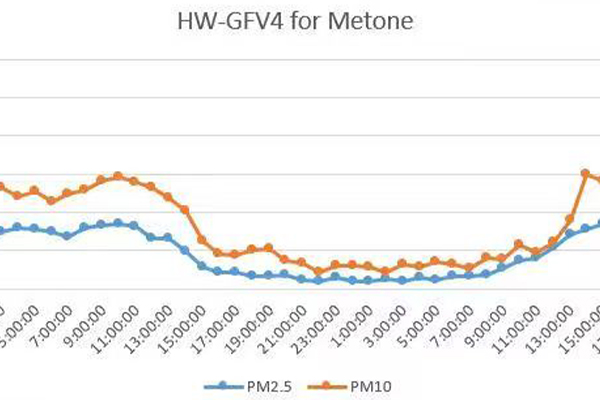
Let’s explore further. The BAM 1020 filter tape[^1]'s unique properties include low adsorption rates, which minimize interference during data collection. Its robust mechanical stability and weight consistency ensure precise readings. Generic tapes often fail to emulate these qualities, resulting in compromised accuracy. The BAM 1020 filter tape[^1] is meticulously crafted to support online monitoring systems, collecting aerosols and black carbon efficiently. The β-ray method or infrared weighing ensures precise quantitative analysis, vital for environmental studies requiring exact data.
How does BAM 1020 filter tape[^1] enhance environmental assessments?
For organizations committed to environmental monitoring, the BAM 1020 filter tape[^1] offers unparalleled advantages. Its specialized construction and performance make it a cornerstone in accurate data collection.
Environmental assessments rely on filter tapes that capture data without distortion. The BAM 1020 filter tape[^1], with its exceptional particle retention and low adsorption rates, ensures data reliability, which is crucial for informed decision-making.
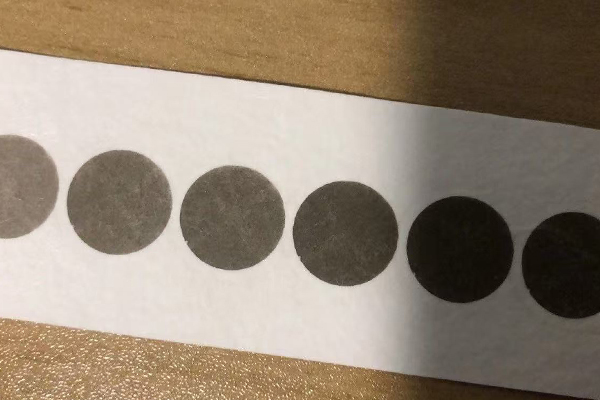
Let’s dive deeper. Environmental monitoring demands materials that deliver precision. The BAM 1020 filter tape[^1]’s ability to maintain stability under high temperatures makes it indispensable for accurate particle collection. Its hydrophobic properties minimize non-specific adsorption, ensuring reliable data capture. Generic tapes, lacking these attributes, often lead to inaccurate results. The BAM 1020 filter tape[^1]'s design supports continuous monitoring, aiding in the collection of aerosols and PM pollutants. Its compatibility with β-ray or infrared weighing techniques guarantees precise analysis, reinforcing its role in meticulous environmental assessments.
Conclusion
The BAM 1020 filter tape[^1], with its specialized properties, remains irreplaceable for accurate PM2.5/PM10 monitoring[^5], ensuring reliable environmental data collection.
[^1]: Explore the unique advantages of BAM 1020 filter tape for precise environmental monitoring and data collection.
[^2]: Learn how this advanced membrane technology enhances filter efficiency and accuracy.
[^3]: Discover how particle retention rates impact the effectiveness of filter tapes in monitoring.
[^4]: Find out which materials can withstand high temperatures while maintaining performance in monitoring.
[^5]: Understand the significance of monitoring PM2.5 and PM10 for public health and environmental safety.
[^6]: Discover the best practices for aerosol collection to enhance environmental research accuracy.
[^7]: Learn about these advanced methods and their role in precise quantitative analysis.
[^8]: Explore the importance of low non-specific adsorption in ensuring reliable data collection.