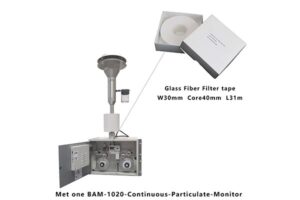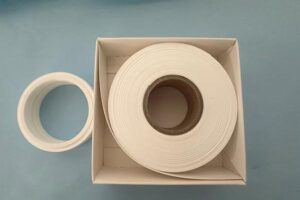

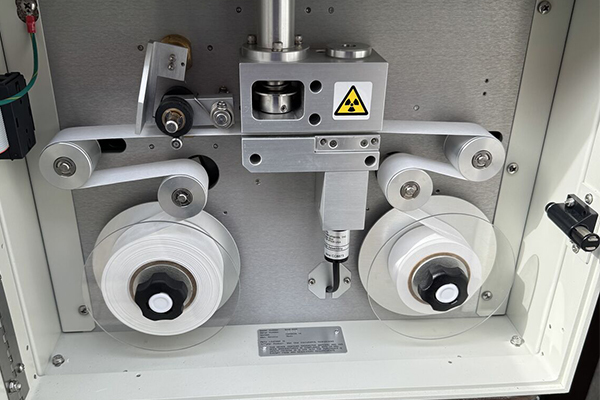
I often get asked if BAM Glass Fiber Filter Tape Roll[^1] can be customized for specific needs. It is a pressing concern for those using the Met One BAM-1020[^2] type continuous PM2.5 and PM10 monitoring[^3] instruments.
Yes, I can definitely customize the BAM Glass Fiber Filter Tape Roll[^1]. This filter tape is specifically designed to be compatible with certain β attenuation monitors, which adhere to the EPA FEM standards[^4] and require glass fiber filter tape rolls. These instruments typically sample at a flow rate of 16.67 liters per minute and are equipped with a standard EPA PM10 inlet and particle size separator[^5].
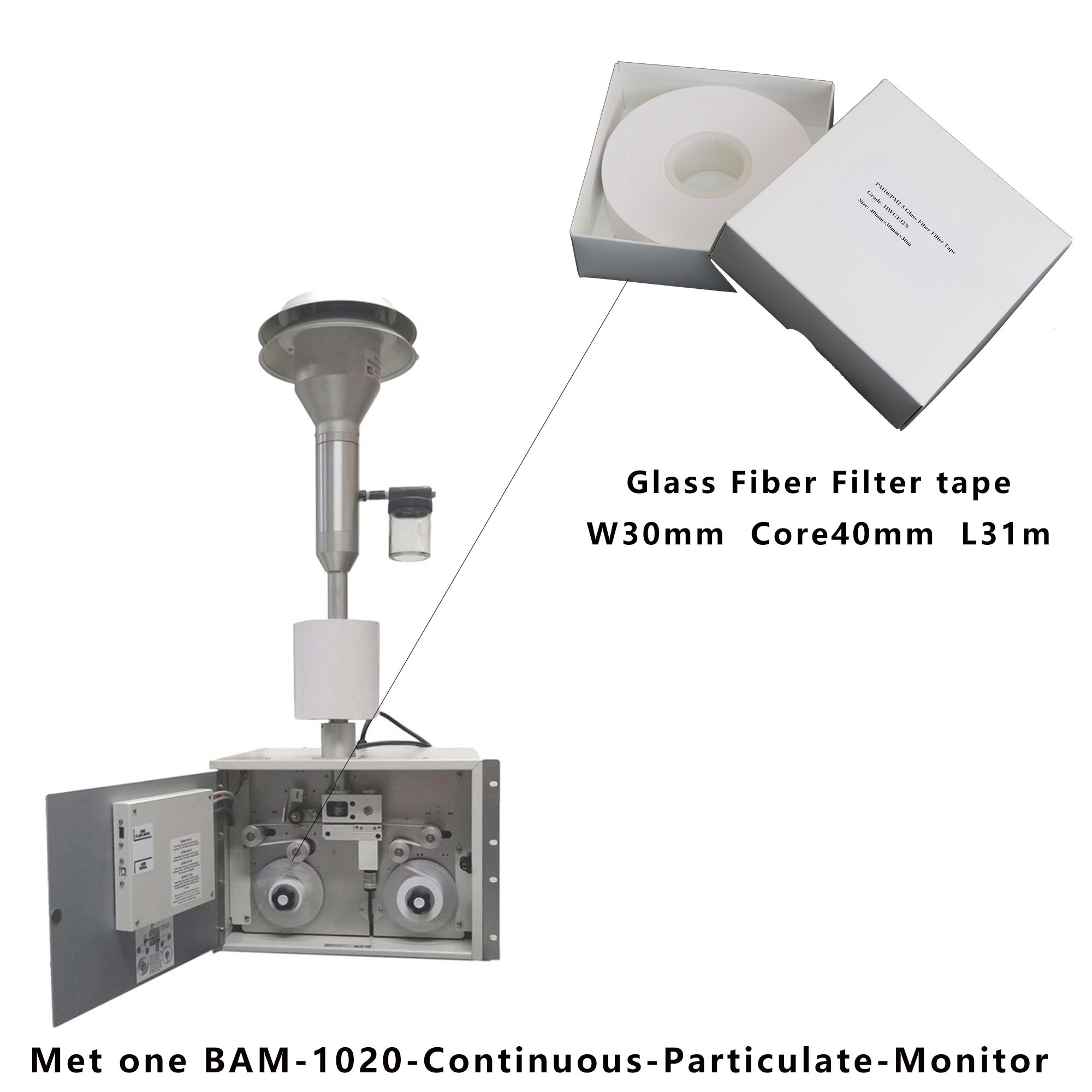
While customization is possible, it is important to consider how the tape aids maintenance and installation. The continuous tape design facilitates long periods of unattended operation, automatically replacing the filter hourly. Each tape roll can support over 60 days of remote operation, minimizing the impact on volatile compounds in the process. When the tape runs out, or during regular maintenance as per the instrument's manual, the tape roll is swapped out.
Is it compatible with instruments other than Met One BAM-1020[^2]?
Customizing filter tape rolls to fit instruments other than Met One BAM-1020[^2] might seem challenging. This worry is understandable for users with β attenuation monitors that also meet EPA standards.
The BAM Glass Fiber Filter Tape Roll[^1] is indeed compatible with other instruments that meet the same standards and specifications. Both the sampling flow rate of 16.67 liters per minute[^6] and the equipment featuring a standard EPA PM10 inlet and particle size separator[^5] are crucial for compatibility.
Compatibility is not limited to just the Met One BAM-1020[^2] type. Here's a deeper look at how this works. The filter tape must meet the requirements for sampling flow rate and particle size separation. Instruments equipped with the same specifications as the BAM-1020 will find the tape roll seamlessly integrates into their systems. Ensuring your equipment matches these parameters is key to successful customization and compatibility.
What are the maintenance and installation requirements?
Ensuring proper maintenance and installation of the filter tape roll is essential for optimal performance. Neglecting these aspects can lead to operational inefficiencies in long-term monitoring setups.
The continuous tape design allows for uninterrupted operation with automatic hourly filter changes[^7]. This feature dramatically reduces the maintenance burden, enabling over 60 days of remote operation without manual intervention. Regular maintenance is crucial; tape rolls are replaced either upon depletion or according to the instrument's manual. This minimizes downtime and ensures consistent data collection.
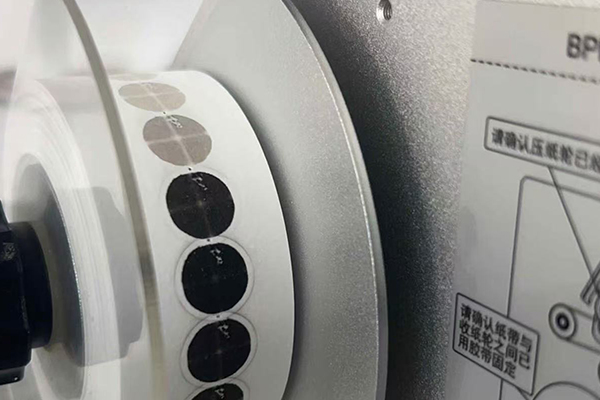
Let's dive into the specifics. The tape roll is designed for easy integration into the monitor's existing setup. The automatic hourly change reduces the need for constant supervision, thus enhancing efficiency in long-term monitoring projects. Regularly replacing the tape roll as per guidelines ensures the system remains in prime condition, providing reliable data over extended periods.
What about regulatory compliance[^8] applications?
Ensuring regulatory compliance[^8] is a critical factor when customizing filter tape rolls. Users often worry about meeting stringent air quality standards set by federal agencies.
The BAM Glass Fiber Filter Tape Roll[^1] supports compliance monitoring that adheres to the EPA FEM standards[^4] for PM10, PM2.5, and PM10-2.5. Instruments using this filter tape for continuous monitoring can help determine adherence to federal air quality standards, offering hourly time resolution data. Compared to filter-based methods, this approach is less labor-intensive.
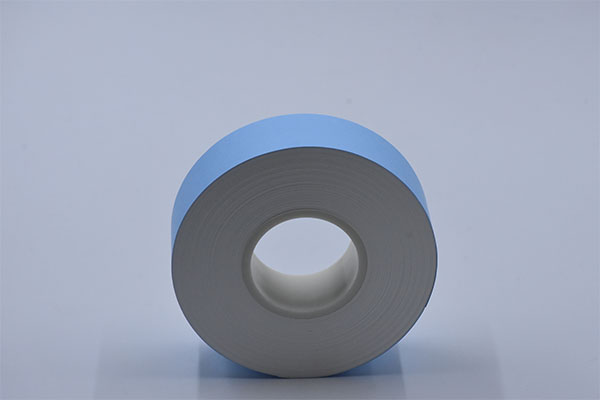
Regulatory compliance is paramount. Filter tape rolls designed to meet FEM standards provide accurate and timely data necessary for assessing air quality against federal benchmarks. Their hourly data resolution offers a detailed view of particulate matter concentrations, aiding in determining compliance. By aligning with these standards, users can confidently utilize the tape roll for critical environmental monitoring applications.
Conclusion
Customizing BAM Glass Fiber Filter Tape Roll[^1]s is feasible for compatible instruments, ensuring regulatory compliance[^8] and efficient long-term monitoring.
[^1]: Explore this link to understand the applications and benefits of BAM Glass Fiber Filter Tape Roll in air quality monitoring.
[^2]: Learn more about the Met One BAM-1020's specifications and how it integrates with filter tape rolls for effective monitoring.
[^3]: Find out how continuous monitoring improves air quality assessments and the technology behind it.
[^4]: Discover the importance of EPA FEM standards in ensuring accurate air quality measurements and compliance.
[^5]: Learn about the role of particle size separators in ensuring accurate air quality measurements.
[^6]: Understand the significance of this flow rate in air quality monitoring and its impact on data accuracy.
[^7]: Discover how automatic filter changes enhance the efficiency and reliability of air quality monitoring systems.
[^8]: Explore the concept of regulatory compliance and its importance in environmental monitoring practices.