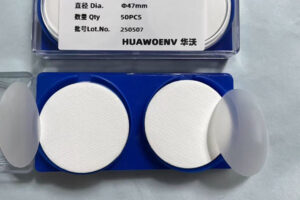

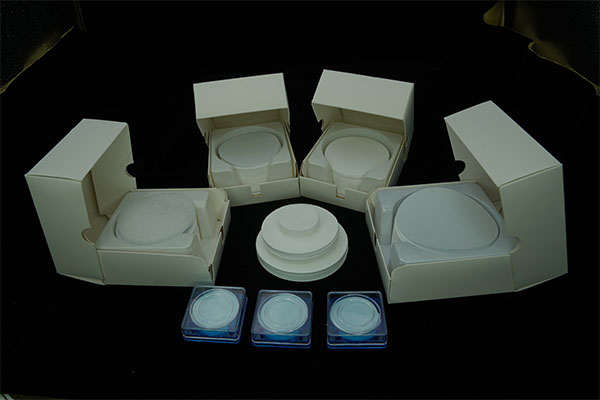
Air sampling is crucial in understanding air quality[^1]. Without accurate tools, monitoring becomes ineffective, failing to capture the nuances of pollutants in the atmosphere. What consumables are available for effective monitoring?
PM2.5 Air Monitoring Membrane Filters[^2] and Grade EPM 2000 Air Sampling Filters[^3] are essential for EPA methods[^4] in air sampling. These filters help capture and analyze particulate matter, ensuring accurate environmental assessments.
Monitoring air quality[^1] is more than just a regulatory requirement; it's a commitment to environmental health. Understanding the consumables available is key to effective air sampling, allowing professionals to make informed decisions.
What are PM2.5 Air Monitoring Membrane Filters[^2]?
Fine particles in the air can pose significant health risks. Without precise monitoring, these particles go unnoticed, impacting public health and safety. PM2.5 filters play a vital role in detecting these fine particles.
PM2.5 Air Monitoring Membrane Filters[^2] are designed to capture particulate matter with diameters less than 2.5 micrometers. These filters provide reliable data for assessing air pollution levels and understanding its impact on health.
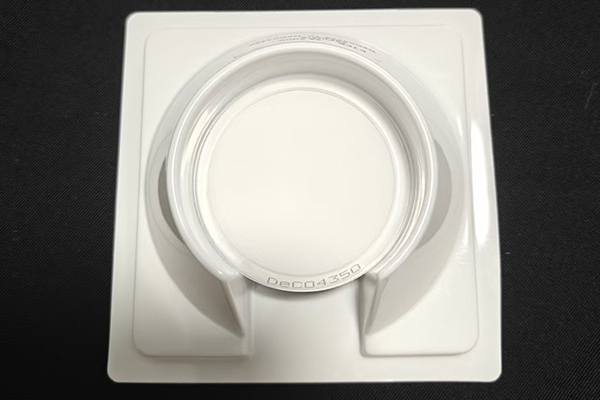
Those filters are crucial for environmental monitoring[^5]. They trap these tiny particles that can penetrate deep into the lungs, causing various health issues. The filters' precision ensures that even the smallest particles are accounted for, offering a clear picture of air quality[^1].
These filters are often used in conjunction with air monitoring stations and equipment designed to measure air pollution levels consistently. The data gathered from these filters helps guide policy, inform the public, and drive research efforts aimed at improving air quality[^1] standards.
What are Grade EPM 2000 Air Sampling Filters[^3]?
Capturing airborne pollutants[^6] is essential for environmental safety. Yet, without the right tools, pollutants can evade detection. Grade EPM 2000 filters address this challenge effectively.
Grade EPM 2000 Air Sampling Filters[^3] are made from glass fiber, specifically designed for air sampling applications. They offer high efficiency in collecting airborne particles, making them ideal for environmental monitoring[^5].
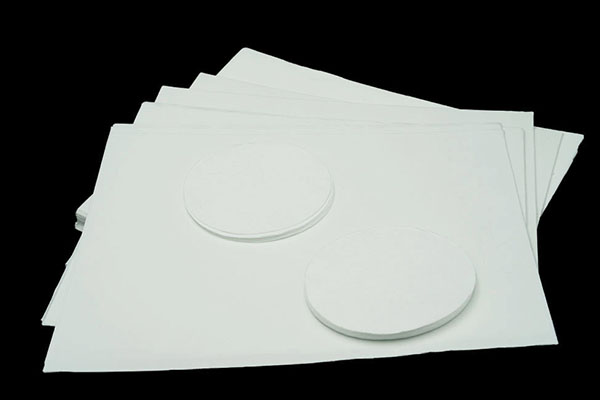
These filters are integral to air sampling processes due to their effectiveness in capturing a broad range of pollutants. The glass fiber composition ensures robustness and reliability, even in challenging environmental conditions.
Grade EPM 2000 filters are frequently used in conjunction with EPA methods[^4] for capturing and analyzing particulate matter. Their ability to hold integrity under various conditions makes them suitable for both routine monitoring and more intensive research studies.
Conclusion
Understanding the consumables available for air monitoring is fundamental to effective environmental assessment. PM2.5 and Grade EPM 2000 filters are vital tools in capturing and analyzing air pollutants, ensuring accurate monitoring and assessment.
[^1]: Discover the significance of air quality monitoring in protecting community health.
[^2]: Explore how PM2.5 filters enhance air quality monitoring and public health safety.
[^3]: Learn about the effectiveness of EPM 2000 filters in capturing airborne pollutants.
[^4]: Get insights into EPA standards and methods for accurate air quality assessment.
[^5]: Find out the latest techniques and tools for effective environmental monitoring.
[^6]: Understand the types of airborne pollutants and their impact on health.