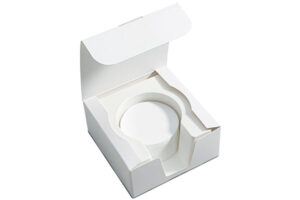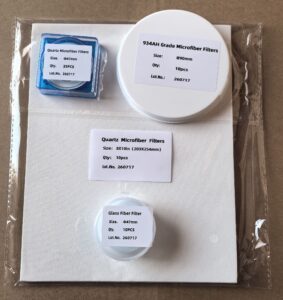


The importance of reliable air sampling filters cannot be overstated. They are essential in environmental monitoring[^1]. High-quality filters ensure accurate results in air quality assessments[^2].
EPM2000 air filters, with a diameter of 47 mm, are known for their high performance in PM-10 sampling[^3]. They are widely used in high-volume PM-10 sampling equipment, ensuring minimal interference during chemical analysis[^4].

When it comes to air sampling, the quality of the filter makes a big difference. EPM2000 filters provide an air retention efficiency of 99.95 percent for particulates as small as 0.3 µm[^5]. This reliability is crucial for anyone involved in environmental monitoring. The U.S. Environmental Protection Agency (EPA) trusts these filters in its nationwide network of HiVol air samplers.
What Makes EPM2000 Filters Stand Out?
The EPM2000 filters are made from 100% pure borosilicate glass. This material choice is intentional. It allows for detailed chemical analysis of trace pollutants without added interference. As a result, I feel confident using these filters in my projects.
The filters are manufactured according to ISO9001:2008 QMS standards, which means they meet high-quality management system guidelines. They are available in both sheet and circle designs, accommodating various sampling needs.

In my experience, having the right filter can prevent many headaches down the road. EPM2000 filters are binder-free, which is another plus. This characteristic helps achieve better filtration performance. They are also cost-effective, especially when purchased in larger quantities. The more you buy, the lower the price per filter, which makes it easier to manage budgets in any lab or monitoring setup.
Dive Deeper: Understanding the Benefits of EPM2000 Filters
Let's break down the features that make EPM2000 filters a top choice. The air retention efficiency is a critical factor. With a 99.95 percent efficiency in capturing 0.3 µm size particulates, they excel where others may fall short. This efficiency is vital in ensuring accurate air quality measurements, especially for PM-10 analyses.
The filters are not just reliable; they are also compliant with rigorous quality standards. This compliance is essential for labs that require traceable quality assurance. The ISO9001:2008 certification ensures consistency in production, which is crucial for maintaining data integrity.
Moreover, the versatility of design—being available in both sheet and circular formats—allows for flexibility in application. This flexibility meets the needs of various sampling instruments and methodologies. As someone who frequently deals with environmental samples, I have found this versatility to be incredibly useful.
The binder-free design of these filters is another significant advantage. Binder materials can interfere with both the physical properties and the chemical analysis of the samples. Without these binders, the filters provide cleaner, more accurate results. This feature enhances the reliability of the data collected, which is vital for making informed decisions based on air quality assessments.
Conclusion
EPM2000 air sampling filters are an excellent choice for anyone in environmental monitoring. Their high performance, reliability, and compliance with quality standards ensure accurate results in air quality assessments.
[^1]: "Quality Assurance Handbook for Air Pollution ...", https://nepis.epa.gov/Exe/ZyPURL.cgi?Dockey=P100R631.TXT. An EPA air-monitoring quality-assurance source describes filter-based particulate sampling as a standard component of ambient air monitoring and links filter handling and selection to measurement quality. Evidence role: general_support; source type: government. Supports: Air sampling filters are essential in environmental monitoring.. Scope note: This supports the general role of filters in monitoring, not the performance of the EPM2000 model specifically.
[^2]: "Appendix J to Part 50, Title 40 -- Reference Method for the ... - eCFR", https://www.ecfr.gov/current/title-40/chapter-I/subchapter-C/part-50/appendix-Appendix%20J%20to%20Part%2050. EPA reference-method documentation for particulate matter monitoring specifies filter performance, conditioning, and handling requirements because these factors affect the accuracy and comparability of measured particle concentrations. Evidence role: mechanism; source type: government. Supports: High-quality filters help ensure accurate results in air quality assessments.. Scope note: The source would support the measurement principle and quality-control need, rather than independently validating this article's specific product claims.
[^3]: "[PDF] List of Designated Reference and Equivalent Methods - US EPA", https://19january2021snapshot.epa.gov/sites/static/files/2019-08/documents/designated_reference_and-equivalent_methods.pdf. EPA's PM10 reference method describes the use of size-selective inlets and filter collection in PM10 sampling, establishing the technical context for filters used in PM10 monitoring. Evidence role: definition; source type: government. Supports: EPM2000 air filters are used in the technical context of PM-10 sampling.. Scope note: This would substantiate PM10 sampling methodology generally, not prove that EPM2000 filters are uniquely high-performing.
[^4]: "Compendium of Methods for the Determination of Inorganic ... - EPA", https://www.epa.gov/amtic/compendium-methods-determination-inorganic-compounds-ambient-air. EPA and air-monitoring method documents discuss selecting filter media with low background contamination and chemical compatibility to reduce analytical interference in subsequent chemical analysis. Evidence role: mechanism; source type: government. Supports: Appropriate filter media can minimize interference during chemical analysis of collected particulate matter.. Scope note: This supports the general rationale for low-interference filter media; it may not directly verify the interference profile of EPM2000 filters unless the source names that product.
[^5]: "Appendix J to Part 50, Title 40 -- Reference Method for the ... - eCFR", https://www.ecfr.gov/current/title-40/chapter-I/subchapter-C/part-50/appendix-Appendix%20J%20to%20Part%2050. Federal particulate-monitoring method requirements specify minimum collection-efficiency testing for filter media using approximately 0.3 µm particles, providing a benchmark for claims about high particle retention. Evidence role: statistic; source type: government. Supports: Filter retention efficiency for approximately 0.3 µm particles is a relevant performance metric in particulate air sampling.. Scope note: This would support the relevance of 0.3 µm efficiency testing and regulatory thresholds; the exact 99.95% figure for EPM2000 would still require a product-specific test certificate or specification sheet.