
The accuracy of environmental monitoring depends heavily on the materials used. Filter tapes[^1] play a critical role in ensuring reliable dust collection and precise measurement.
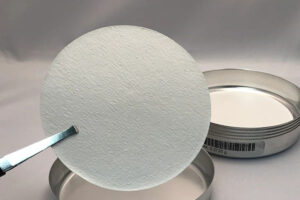
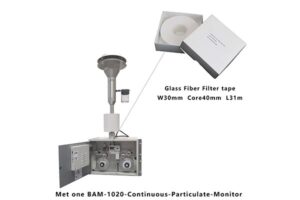
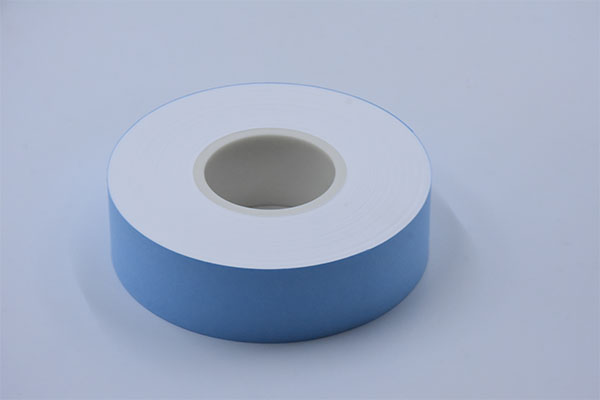
Filter tapes[^1] are specifically designed for PM10 and PM2.5 dust collection[^2] in online monitors. These tapes have high mechanical stability[^3], can withstand temperatures up to 180°C, and are compatible with beta ray attenuation[^4] measurement techniques.
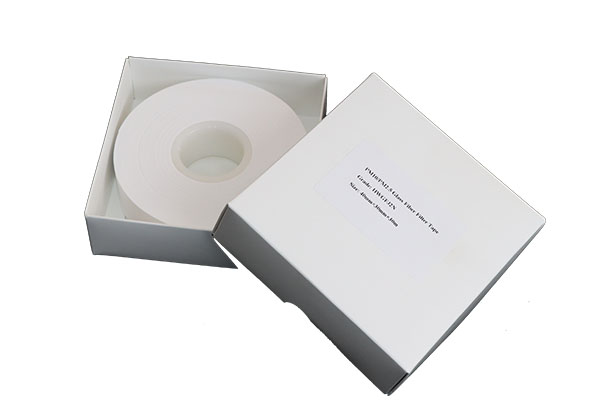
Choosing the right filter tape is essential to meet the demands of modern ambient monitoring equipment[^5]. Let's explore why these tapes are crucial in environmental analysis[^6].
How does filter tape withstand extreme conditions without compromising performance?
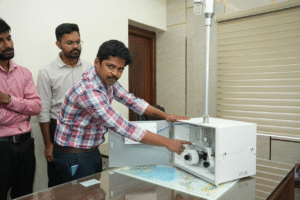
Environmental monitors often operate in harsh conditions, collecting dust continuously and enduring varying temperatures. Regular materials fail under such stress. This is where filter tapes excel.
Filter tapes[^1] with organic binders are engineered to offer mechanical stability[^3] and temperature resistance[^7] up to 180°C, enabling consistent functionality even in extreme conditions.
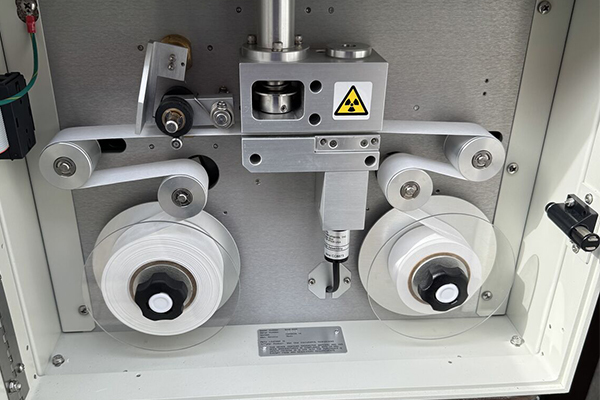
The organic binder ensures the tape maintains its structural integrity despite prolonged exposure to heat or mechanical stress. Unlike traditional filters, these tapes are specifically tailored to the demands of continuous dust sampling[^8], ensuring reliable performance in automated systems.
Why is mechanical stability[^3] important for PM10 and PM2.5 dust collection[^2]?
Dust collection is a delicate process. The materials used must endure continuous operation without distortion or wear. If the filter tape lacks stability, measurement accuracy diminishes, affecting environmental reports.
Mechanical stability allows filter tapes to maintain their shape and durability during prolonged use, ensuring accurate PM10 and PM2.5 dust collection[^2] in automated monitors.
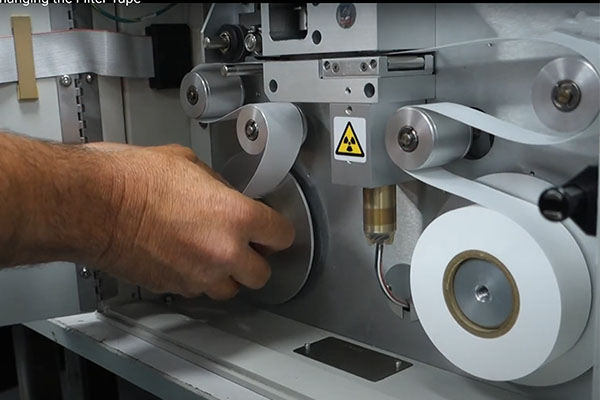
This stability is especially critical for beta ray attenuation[^4] techniques, where the clarity and uniformity of the tape directly influence the measurement of dust concentration.
What makes beta ray attenuation[^4] a reliable measurement technique?
Beta ray attenuation is a precision method widely used in ambient monitoring systems. It calculates dust concentration by measuring the reduction of beta radiation passing through a collected sample.
Filter tapes[^1] compatible with beta ray attenuation[^4] offer consistent surface quality, enabling precise measurements of particulate matter like PM10 and PM2.5.
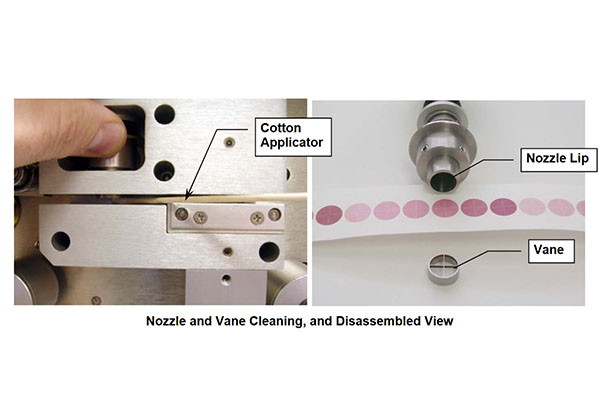
The smooth and uniform surface of the filter tape ensures the beta rays interact accurately with the collected dust, providing trustworthy data for air quality assessments.
How does temperature resistance[^7] impact long-term monitoring efficiency?
Temperature fluctuations can affect filter materials, leading to degradation or inaccuracies. For ambient monitors, high-temperature resistance[^7] is essential to maintain consistent performance over time.
Filter tapes[^1] with resistance up to 180°C are ideal for long-term operations, as they withstand temperature variations without losing structural or functional integrity.
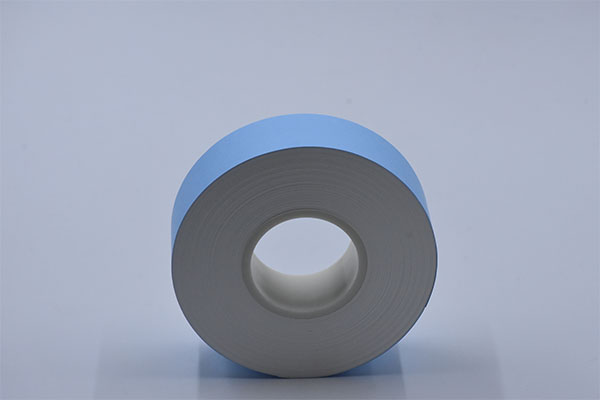
This feature reduces the need for frequent replacements and ensures reliable data collection, even in environments where heat exposure is common.
Conclusion
Filter tapes[^1] are indispensable for modern ambient monitoring systems. Their high mechanical stability[^3], temperature resistance[^7], and compatibility with beta ray attenuation[^4] techniques make them the perfect solution for PM10 and PM2.5 dust collection[^2]. Reliable materials lead to accurate measurements and more effective environmental monitoring.
[^1]: Explore how filter tapes enhance dust collection and measurement accuracy in environmental monitoring.
[^2]: Learn about the significance of PM10 and PM2.5 in assessing air quality and health impacts.
[^3]: Discover the role of mechanical stability in ensuring accurate and reliable dust measurements.
[^4]: Understand the principles of beta ray attenuation and its importance in measuring particulate matter.
[^5]: Stay updated on the latest technologies and innovations in ambient monitoring for better environmental analysis.
[^6]: Learn about the implications of environmental analysis on health standards and regulatory policies.
[^7]: Find out how temperature resistance contributes to the longevity and reliability of monitoring equipment.
[^8]: Explore various dust sampling techniques and their effectiveness in environmental research.