
The glass microfiber filters play a crucial role in the precision and efficiency of continuous air monitoring systems. Without them, reliable data collection would be nearly impossible.
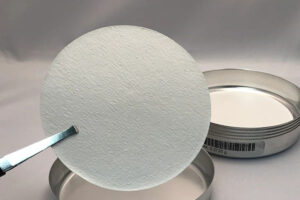
Glass microfiber filters, specifically Grade GF 10 from HuaEnv, offer high mechanical stability[^1] due to the borosilicate glass and organic binder[^2]. They are ideal for automatic sampling and filtration[^3] applications as they provide temperature resistance up to 180°C[^4] and medium filtration speed[^5].
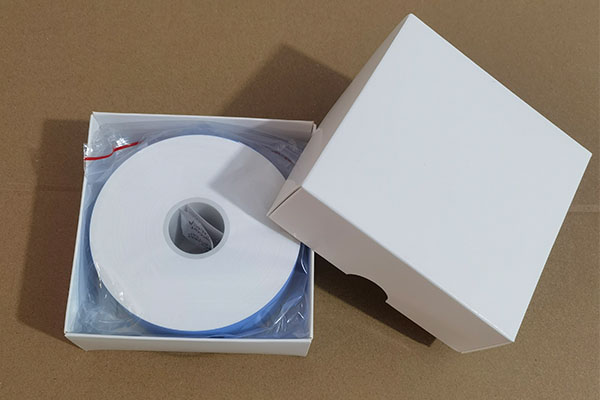
Continuous air monitoring demands precision, stability, and adaptability. Grade GF 10 glass microfiber filters[^6] fulfill these needs and more, offering a reliable solution for accurate data collection in demanding environments.
Why choose Grade GF 10 glass microfiber filters[^6]?
In the realm of air monitoring, the choice of filters can make or break the data's accuracy. Grade GF 10 filters promise high stability and efficiency, making them indispensable for precise monitoring.
Grade GF 10 glass microfiber filters[^6] from HuaEnv are made from borosilicate glass and strengthened with an organic binder to provide high mechanical stability[^1]. They offer several options with organic or inorganic binders, suitable for weighing aids during infrared weighing or automatic sampling applications.
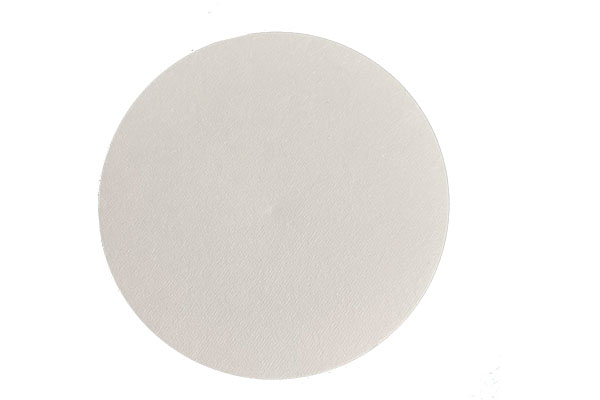
These filters are strengthened with high-quality organic binders, providing mechanical stability crucial for continuous air monitoring. They can resist temperatures up to 180°C, ensuring consistent performance even under challenging conditions. Whether used in roll format for automatic air filtration or standalone applications, GF 10 filters redefine precision in air monitoring.
How do GF 10 filters aid in automatic sampling and filtration[^3]?
Automatic sampling and filtration require tools that guarantee consistency and accuracy. GF 10 filters excel in meeting these critical requirements.
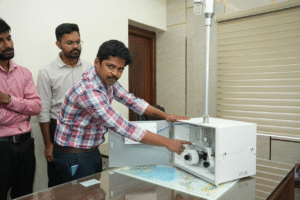
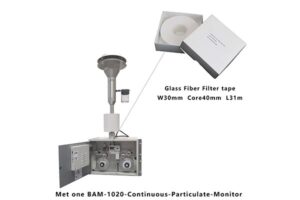
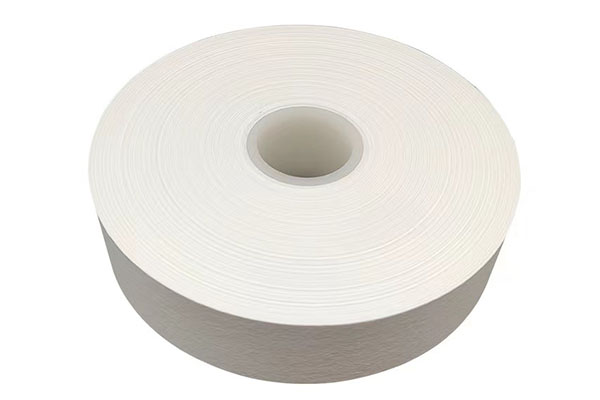
GF 10 filters can be used as a weighing aid during infrared weighing or in automatic sampling applications. Their design allows them to be used in reel format as roll filters in automatic air filtration units, offering flexibility to suit various needs. The medium filtration speed[^5] ensures that particles are efficiently captured while maintaining sufficient airflow.
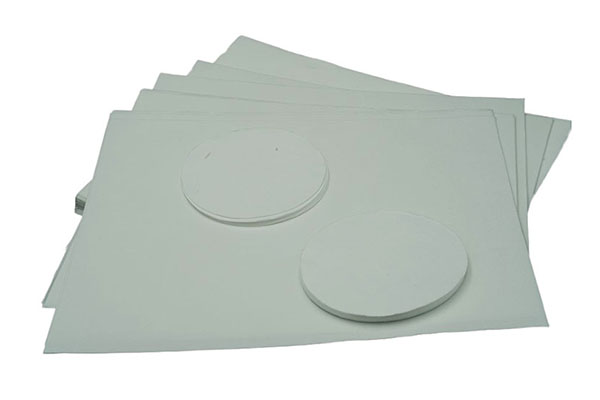
The role of GF 10 filters in automatic sampling is pivotal. They ensure that data collection is streamlined and reliable, reducing manual intervention and potential errors. Their high mechanical stability[^1] and temperature resistance combine to provide a robust solution that supports uninterrupted monitoring.
Conclusion
Grade GF 10 glass microfiber filters[^6] enhance data collection in continuous air monitoring by providing high mechanical stability[^1] and temperature resistance, making them indispensable tools for precision in challenging environments.
[^1]: Learn why mechanical stability is crucial for air monitoring filters to maintain data integrity and performance.
[^2]: Explore the benefits of borosilicate glass and organic binders in filter construction for enhanced performance.
[^3]: Understand the automatic sampling process and how it enhances efficiency in air monitoring systems.
[^4]: Discover how temperature resistance impacts filter performance and reliability in various environments.
[^5]: Find out how medium filtration speed contributes to effective air filtration and data collection.
[^6]: Explore the advantages of Grade GF 10 filters for air monitoring to understand their role in ensuring data accuracy.