
The operation of the BAM 1020 Particulate Monitor[^1] is essential for accurate air quality measurement, yet many struggle to utilize its capabilities effectively.
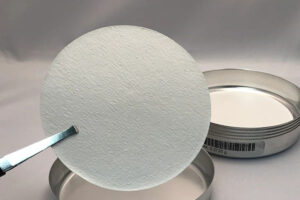
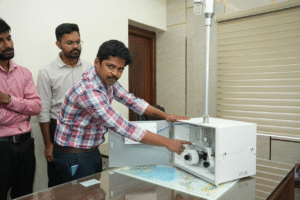
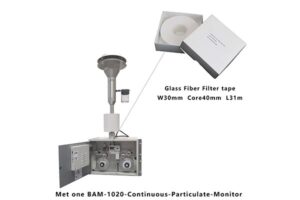
The BAM 1020 Particulate Monitor[^1] is an automatic air filtration device[^2] used to assess air quality by measuring particulate matter (PM) levels[^3]. It employs high-grade filters, such as HuaEnv's Grade GF 10 glass microfiber filters[^4], to ensure accurate and reliable results.
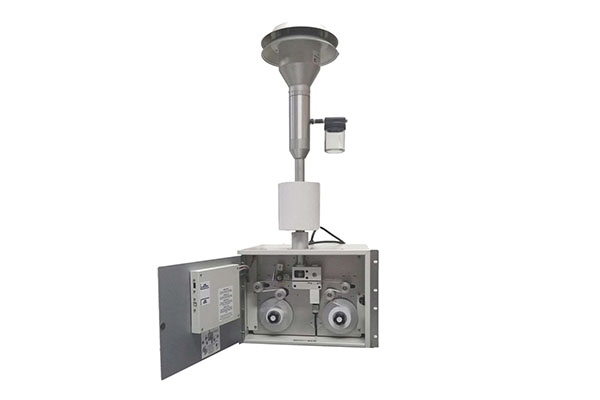
Understanding the setup and operation of the BAM 1020 can be daunting for beginners. However, with a clear manual, the process becomes manageable and rewarding. Let's dive into the specifics of its operation and the role HuaEnv's filters[^5] play.
What makes Grade GF 10 glass microfiber filters[^4] suitable for BAM 1020?
The process of selecting the right filter for air quality measurement can be overwhelming. The choice directly impacts the accuracy and reliability of the data collected.
Grade GF 10 glass microfiber filters[^4] are crafted from borosilicate glass and fortified with an organic binder, offering superior mechanical stability[^6]. These filters are ideal for the BAM 1020 due to their temperature resistance[^7] and ability to maintain integrity during automatic sampling and filtration[^8].
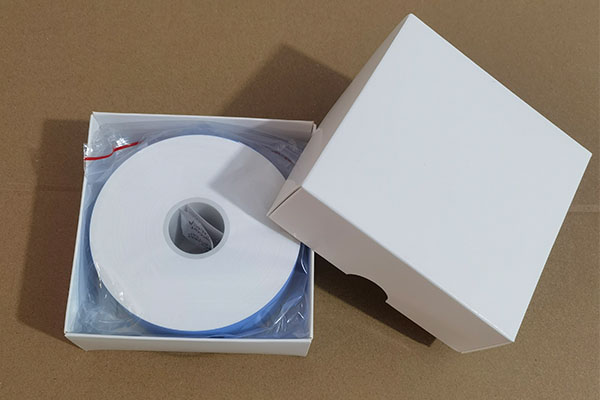
The strengthened organic binder ensures that the filters can withstand high temperatures, up to 180°C, making them suitable for various environmental conditions. The medium filtration speed balances efficiency with precision, ensuring optimal data collection. In addition, the reel format provides flexibility for use in automatic air filtration units, enhancing the monitor's performance.
How does the BAM 1020 utilize automatic sampling and filtration[^8]?
Automatic sampling and filtration are crucial for continuous and reliable air quality monitoring. Understanding this process is key to maximizing the monitor's potential.
The BAM 1020 utilizes automatic sampling to gather air particulates consistently over time. This method ensures that data is not influenced by human error or irregular sampling intervals. The filtration process relies heavily on the quality of the filters used. HuaEnv's Grade GF 10 glass microfiber filters[^4] play a pivotal role here, providing stable and reliable filtration due to their strengthened construction and temperature resistance[^7].
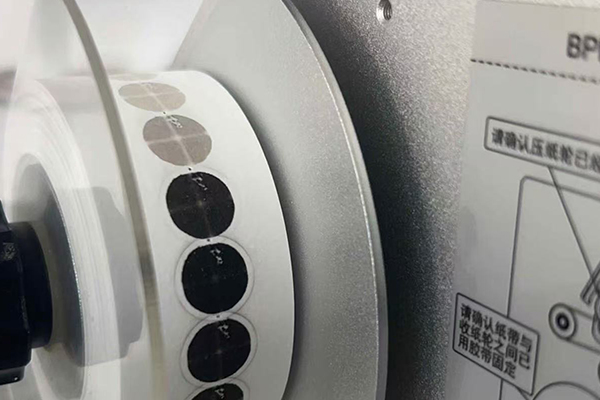
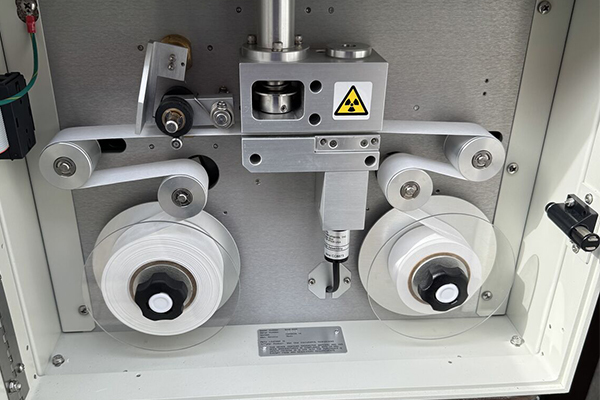
The setup involves integrating these filters into the BAM 1020 system, where they serve as the primary medium for capturing airborne particulates. The organic binder in the filters helps maintain their structure during filtration, ensuring that no particulates escape during the process. This results in accurate readings of PM levels, which are critical for assessing air quality.
What are the features and benefits of using HuaEnv's filters[^5] in BAM 1020?
Choosing the right filtration solution can greatly impact the efficiency and accuracy of air quality monitoring systems like the BAM 1020.
HuaEnv's Grade GF 10 filters offer several features that make them ideal for use in the BAM 1020. Their temperature resistance[^7] up to 180°C ensures they perform well even in challenging conditions. The high-quality organic binder used in these filters provides mechanical stability[^6], preventing deformation during the filtration process.
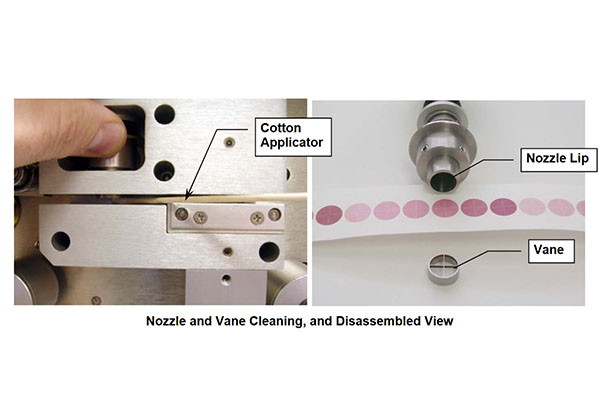
The medium filtration speed is perfect for balancing thoroughness and time efficiency, crucial for continuous monitoring. The availability of these filters in reel format enables easy integration into automatic systems, reducing the need for frequent manual intervention. These benefits collectively enhance the BAM 1020's capability, ensuring reliable and precise measurements.
Conclusion
Using Grade GF 10 filters in the BAM 1020 ensures reliable air quality monitoring thanks to their stability and temperature resistance[^7].
[^1]: Explore this link to understand the features and functionalities of the BAM 1020, enhancing your air quality measurement knowledge.
[^2]: Learn how automatic air filtration devices enhance the efficiency and accuracy of air quality monitoring systems.
[^3]: Understanding PM levels is essential for assessing air quality; explore this link for in-depth insights.
[^4]: Discover the advantages of using Grade GF 10 filters, which are crucial for accurate air quality assessments.
[^5]: Discover the unique features of HuaEnv's filters that enhance air quality monitoring systems like the BAM 1020.
[^6]: Explore the significance of mechanical stability in filters to ensure accurate and reliable air quality measurements.
[^7]: Find out how temperature resistance in filters affects their performance and reliability in various conditions.
[^8]: Gain insights into the processes of automatic sampling and filtration for continuous air quality monitoring.