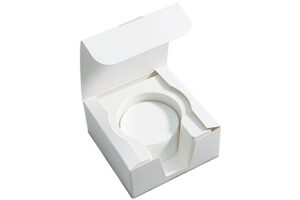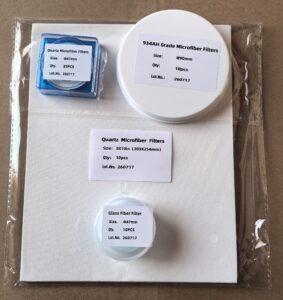

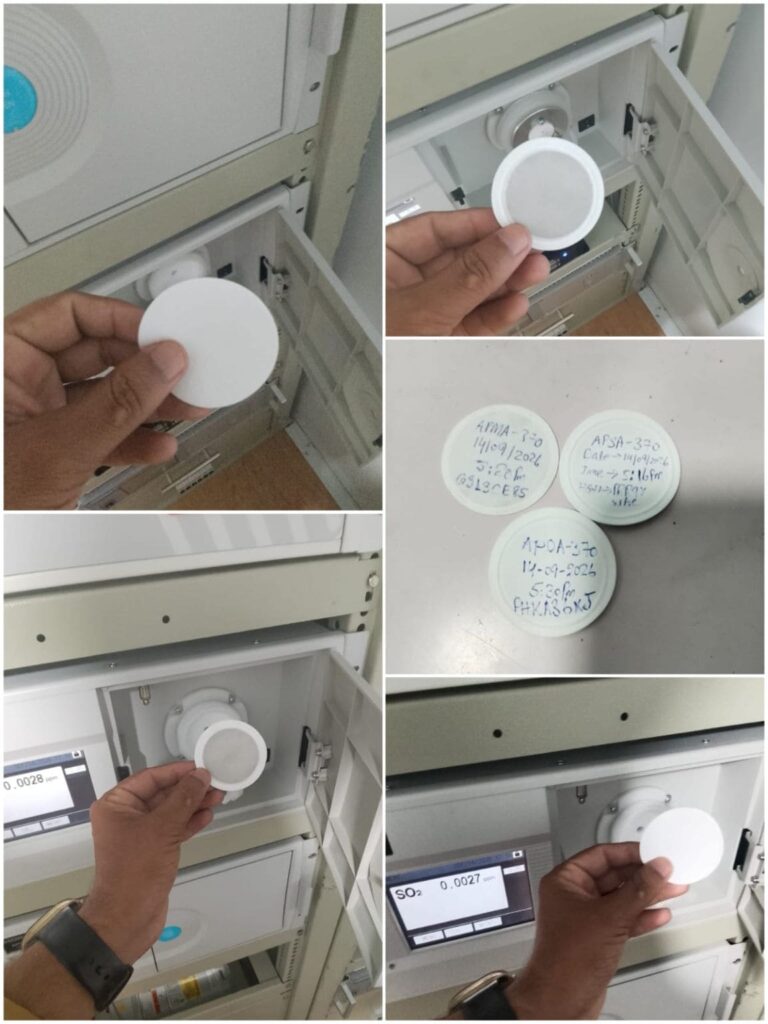
Air quality is essential for our health and environment. Understanding the quality of the air we breathe is crucial. But how do we obtain accurate measurements? The answer lies in using the right air monitoring filters.
Air monitoring filters are critical for the first step of air quality testing, which is collecting representative samples for analysis[^1].
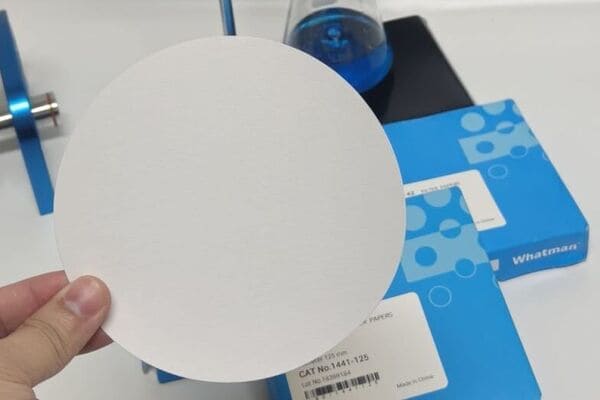
Airborne particulate matter (PM) consists of tiny solid particles and liquid droplets. These filters allow air to flow through, trapping PM for examination. Lab technicians often use gravimetric methods to measure the volume of particulate matter by weighing it in a specific air volume[^2], usually expressed in parts per million (PPM). After this initial assessment, further tests can reveal detailed information about the composition of the particulate matter[^3]. Choosing the right air sampling filter is crucial for ensuring a representative sample, leading to reliable test results. For instance, monitoring pollution from stacks or aerosols requires filters that can endure harsh chemical environments and high temperatures[^4].
What types of air monitoring filters are available?
Selecting the appropriate air monitoring filter can be overwhelming, given the variety of options available. Each type of filter serves a unique purpose. Understanding these options can help you make an informed choice.
There are several types of air monitoring filters:
- Grade GF/A Air Sampling Filters
- Grade EPM 2000 Air Sampling Filters
- PM2.5 Air Monitoring Membrane Filters
- QM-C Quartz Filter Paper
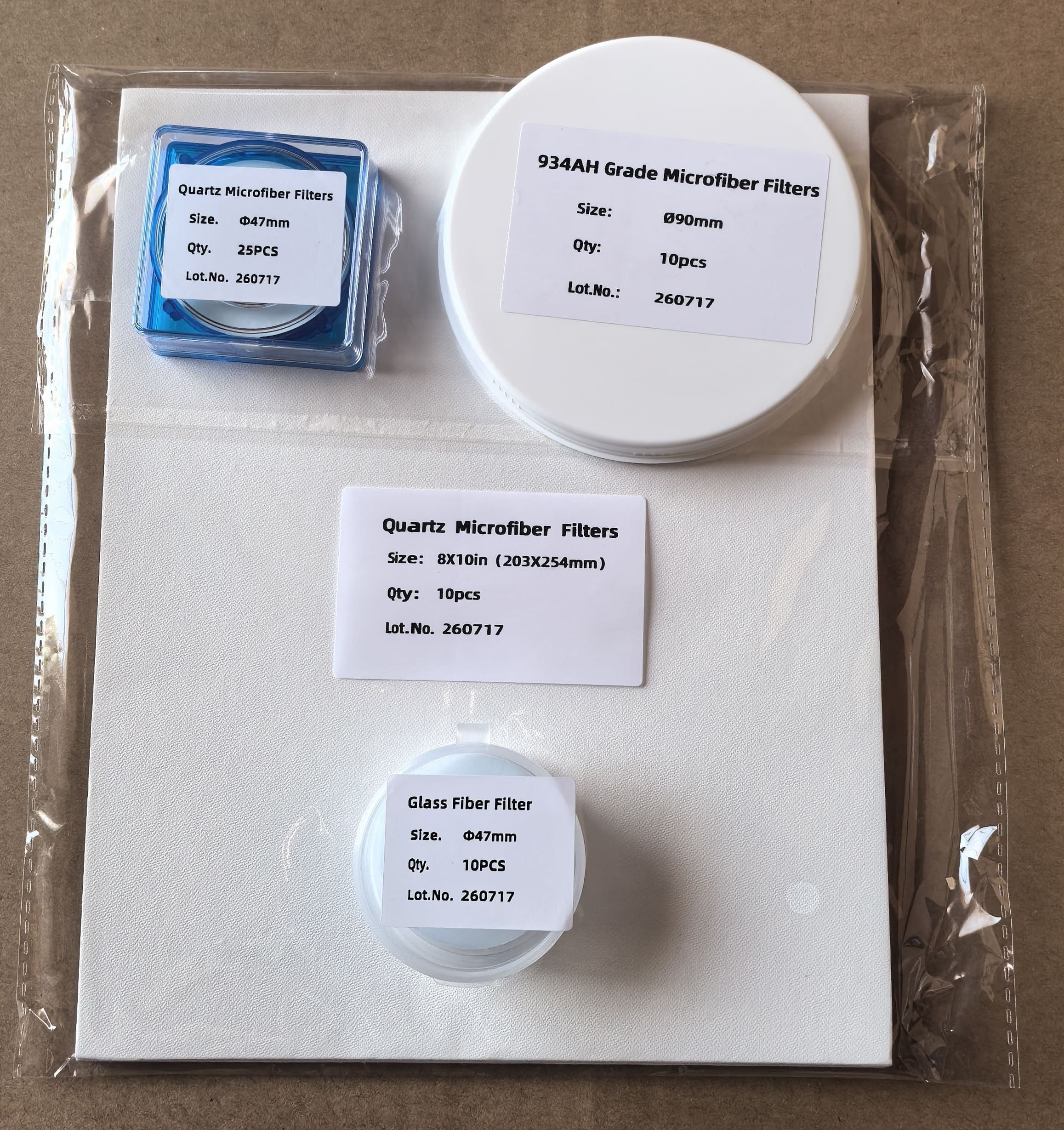
Each filter type offers specific benefits. For example, Grade GF/A filters are known for their high purity and excellent retention of fine particles. Meanwhile, the Grade EPM 2000 filters excel in a variety of air sampling applications, thanks to their durability and chemical resistance.
Dive deeper into these options and their applications in air monitoring.
1. Grade GF/A Air Sampling Filters
Grade GF/A filters are popular in air monitoring due to their high retention capability. These filters are made from glass fiber, allowing for superior filtration of airborne particulate matter. They can capture a wide range of particle sizes, making them suitable for both PM2.5 and PM10 measurements. They are ideal for applications where high sample volume and precise data are required.
2. Grade EPM 2000 Air Sampling Filters
On the other hand, Grade EPM 2000 filters are excellent for sampling in chemically aggressive environments. They provide good chemical and thermal stability, ensuring that the trapped samples remain uncontaminated. Lab technicians often use them for industrial air monitoring, where pollutants can include a variety of chemicals and toxins.
3. PM2.5 Air Monitoring Membrane Filters
PM2.5 air monitoring membrane filters are designed specifically for capturing fine particulate matter. These filters are engineered to withstand various environmental conditions while providing accurate data on air quality. Their unique structure allows for high flow rates, making them suitable for quick sampling in urban areas where air quality can change rapidly.
4. QM-C Quartz Filter Paper
Finally, QM-C quartz filter paper is suitable for high-temperature applications[^5]. These filters are resistant to thermal degradation and provide accurate results for gravimetric analysis. They are often used in research settings where air quality needs to be monitored across various industrial processes.
In conclusion, when it comes to air monitoring, the right filter selection is crucial for obtaining valid and reliable results. Each type of filter serves a specific purpose, and understanding their features can greatly enhance the quality of air testing applications.
Conclusion
Choosing the right air monitoring filter ensures accurate testing and reliable results, leading to better air quality management.
[^1]: "Ambient Air Sampling", https://19january2017snapshot.epa.gov/sites/production/files/2016-04/documents/ambient_air_sampling303_af.r5.pdf. EPA reference-method descriptions for particulate-matter monitoring define sampling as drawing a measured volume of air through a size-selective inlet and filter for subsequent mass or chemical analysis, supporting the role of filters in obtaining analyzable air samples. Evidence role: general_support; source type: government. Supports: Air monitoring filters are critical because they collect representative samples for later air-quality analysis.. Scope note: This supports the sampling principle in regulated PM methods, not the performance of every air-monitoring filter.
[^2]: "Gravimetric Analysis of Particulate Matter using Air Samplers ...", https://pmc.ncbi.nlm.nih.gov/articles/PMC4587562/. EPA and air-monitoring method documents describe gravimetric PM measurement as determining the mass collected on a conditioned filter and relating it to the volume of air sampled, which supports the gravimetric principle. Evidence role: mechanism; source type: government. Supports: Gravimetric methods measure particulate matter by weighing material collected from a known volume of sampled air.. Scope note: The source would support mass concentration measurement; the article's wording should avoid implying that particulate matter volume is measured or that PM is normally reported in ppm.
[^3]: "Chemical Speciation Network and IMPROVE Sites", https://dec.alaska.gov/air/air-monitoring/instruments-sites/chemical-speciation/. EPA documentation for particulate-matter chemical speciation describes analysis of collected PM for components such as elements, ions, and carbon fractions, supporting the claim that additional tests can characterize PM composition. Evidence role: mechanism; source type: government. Supports: Further laboratory tests can reveal the chemical composition of collected particulate matter.. Scope note: This supports established speciation programs and methods; it does not imply that every collected filter sample is suitable for all compositional analyses.
[^4]: "Review of Filters for Air Sampling and Chemical Analysis in ...", https://pmc.ncbi.nlm.nih.gov/articles/PMC10174218/. EPA stationary-source particulate sampling methods specify filter materials and heated sampling conditions for stack measurements, supporting the need for thermally stable and chemically compatible filters in some emissions-monitoring applications. Evidence role: mechanism; source type: government. Supports: Monitoring stack emissions or chemically challenging aerosols can require filters that tolerate high temperatures and harsh chemical conditions.. Scope note: This supports stack-sampling contexts specifically and does not establish that all aerosol monitoring requires high-temperature or chemically resistant filters.
[^5]: "NMAM METHOD5040", https://www.cdc.gov/niosh/nmam/pdf/5040.pdf. Thermal-optical aerosol carbon-analysis methods commonly collect particulate samples on quartz-fiber filters and heat filter punches through staged high-temperature steps, supporting the use of quartz media where thermal stability is required. Evidence role: mechanism; source type: paper. Supports: Quartz filter paper is suitable for air-monitoring applications that involve elevated temperatures or thermal analysis.. Scope note: This supports quartz-fiber filter media generally and does not directly verify the specifications of the QM-C grade unless a grade-specific datasheet is also cited.