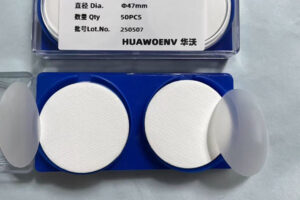

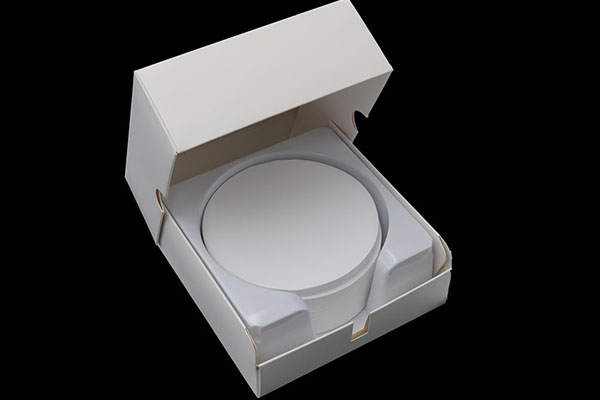
The Grade GF/A filter is known for its fine particle retention[^1], making it an ideal solution for diverse liquid and air filtration needs. Its efficiency is unmatched.
The Grade GF/A fine retention filter features a nominal particle retention[^2] of 1.6µm at 98% efficiency. It's suited for applications requiring precise filtration for large sample volumes.
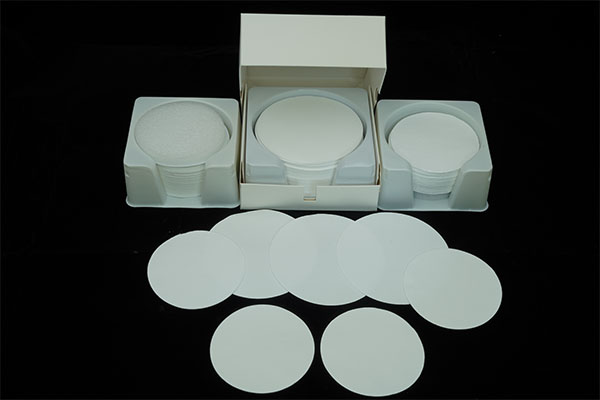
With its wide range of applications and consistent performance, the Grade GF/A filter has become a trusted tool for professionals across industries. Let's explore why it's so effective.
How Does It Aid Water and Air Pollution Monitoring?
Water and air pollution monitoring[^3] demand filters capable of capturing fine particles efficiently and consistently. Any deviation can compromise sample integrity.
The Grade GF/A filter excels in monitoring pollution due to its fine retention capability, ensuring precise collection of particulates, even in high-volume samples.
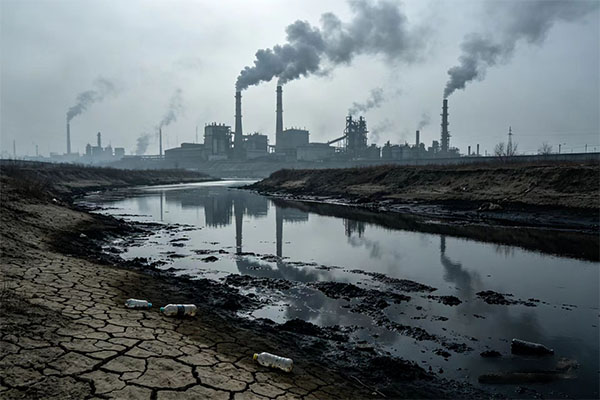
For water pollution analysis, the filter reliably handles large volumes without clogging or compromising accuracy. In air pollution studies, it captures airborne particulates[^4], enabling accurate gravimetric determination[^5].
Comparison: GF/A vs. Other Filters for Pollution Monitoring
| Feature | Grade GF/A Filter | Standard Filters |
|---|---|---|
| Particle Retention Efficiency | 98% | 85%-90% |
| Nominal Particle Retention Size | 1.6µm | >2µm |
| Suitability for Large Volumes | Excellent | Moderate |
Can It Be Used for Foodstuff Analysis?
Foodstuff analysis requires filters that maintain the integrity of delicate samples while offering precise filtration.
The Grade GF/A filter is ideal for food analyses like identifying particulates in liquid samples or detecting residues.
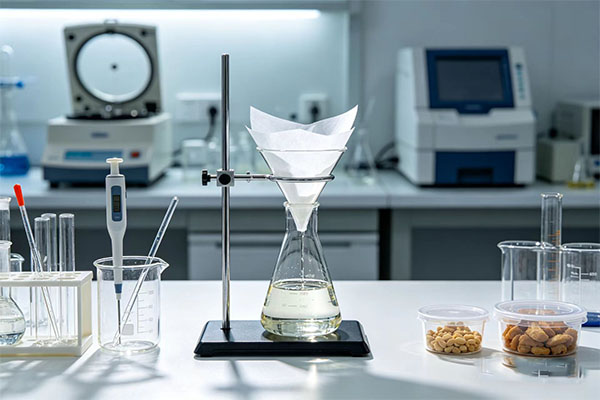
Its fine retention ensures that even the smallest particles are captured, enabling accurate results for quality control. Additionally, its ability to handle large sample volumes makes it a preferred choice in food safety labs.
How Does It Perform in Algae and Bacteria Culture Filtration?
Algae and bacterial cultures require filters that balance retention efficiency with flow rate to avoid damaging sensitive samples.
Grade GF/A filters provide this balance, capturing small particles while allowing smooth filtration.

Its fine retention ability ensures that cultures remain uncontaminated, improving experimental reliability in biological research.
Why GF/A Stands Out for Culture Filtration
| Factors Influencing Filtration | Grade GF/A Filter | Other Filters |
|---|---|---|
| Retention of Microscopic Particles | Superior | Limited |
| Flow Rate | Optimized | Slower |
| Culture Contamination Risk | Minimal | Higher |
Is It Suitable for Protein Filtration?
Proteins, despite their complex structures, require precise separation and filtration. Not all filters can handle this.
The Grade GF/A filter is engineered for protein filtration[^6], ensuring that samples are processed efficiently without loss of integrity.
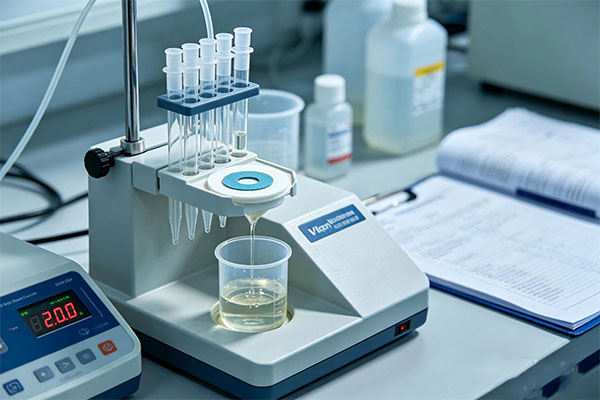
Its fine retention capacity captures protein particles effectively, supporting various laboratory processes, from purification to concentration.
Can It Be Used in Radioimmunoassays?
Radioimmunoassays often involve weak β emitters, requiring filters with high retention and minimal background contamination.
The Grade GF/A filter meets these demands perfectly, offering consistent retention and reducing variability in results.
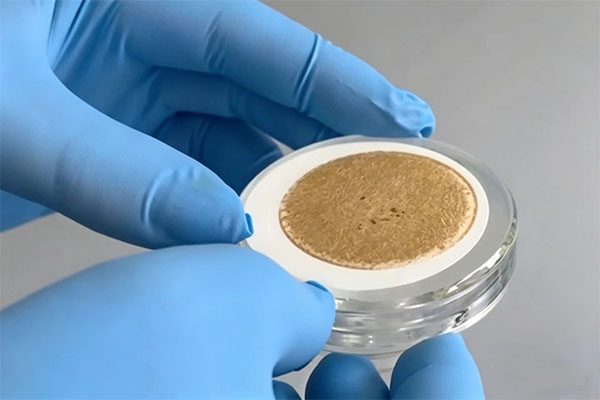
Its efficiency ensures that even small particulates from weak β emitters are captured, making it a reliable choice for radioactive testing.
How Does It Contribute to Gravimetric Determination of Airborne Particulates?
Gravimetric determination of airborne particulates[^4] requires filters capable of precise weight-based measurement after capturing pollutants.
Grade GF/A filters are tailored for this, offering exact particle retention and maintaining sample integrity for accurate weighing.
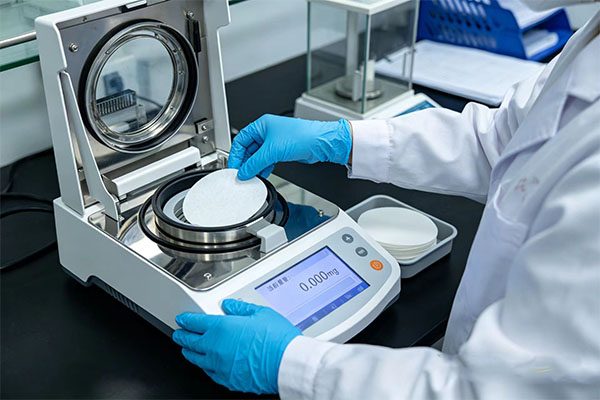
Its consistent performance in gravimetric applications ensures reliable results for environmental monitoring.
Conclusion
The Grade GF/A fine retention filter is a versatile tool with applications ranging from pollution monitoring[^3] to protein filtration[^6] and food analysis. Its efficiency and reliability make it indispensable in laboratories.
[^1]: Understanding fine particle retention can enhance your knowledge of filtration efficiency and its applications.
[^2]: Learn about nominal particle retention to better assess filter performance in various applications.
[^3]: Explore the role of filters in pollution monitoring to understand their importance in environmental science.
[^4]: Understanding airborne particulates can help you grasp their impact on health and the environment.
[^5]: Explore gravimetric determination to understand its application in measuring airborne pollutants.
[^6]: Understanding protein filtration can enhance your laboratory techniques and sample integrity.