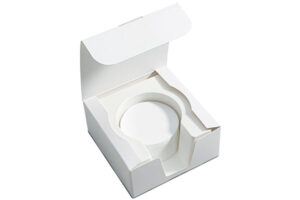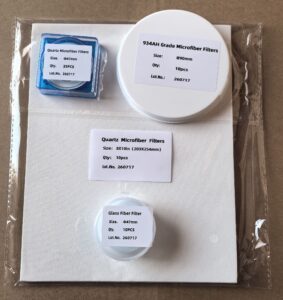

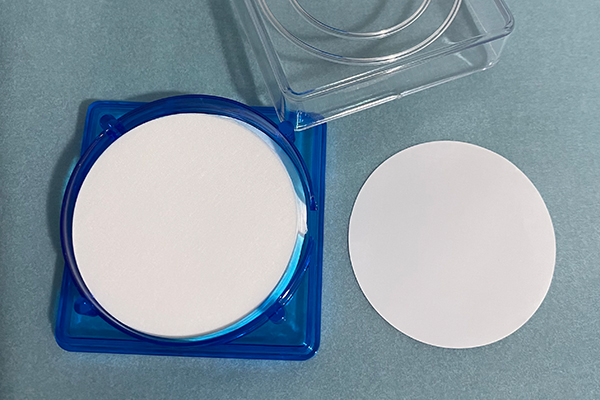
Thick, fast, and high-capacity—these are the defining features of GF/D grade glass microfiber prefilters. These filters offer exceptional reliability in demanding filtration processes.
GF/D grade glass microfiber prefilters are designed for high particle loading and faster flow rates[^1], making them ideal for tasks like air filtration and gravimetric analysis involving ignition[^2].
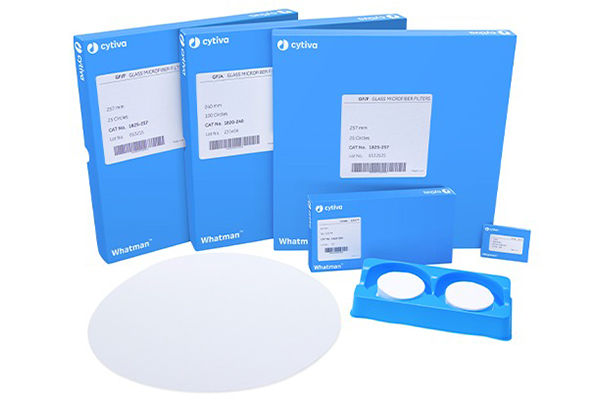
While these filters excel in filtration speed and capacity, their unique properties also make them versatile for various applications. Let’s explore where GF/D filters shine.
Why are GF/D Filters Perfect for High-Load Filtration Tasks?
Thick filters promise reliability, but they often slow down processes. Not GF/D filters. They’re thick yet optimized for speed, loading, and protection.
GF/D filters combine high particle loading capacity with improved flow rates[^3], making them well-suited for air filtration tasks and fluid flow scenarios that demand heavy-duty performance.
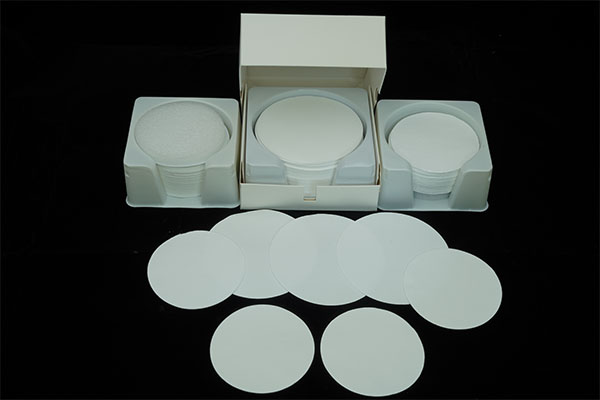
If you're dealing with high particle loads, GF/D filters protect finely retentive membranes by catching larger particles[^4]. Their 675 µm thickness ensures durability[^5], while their 2.7 µm particle retention rate balances precision with speed[^6].
Key Specifications:
| Parameter | Details |
|---|---|
| Particle Retention Rate | 2.7 µm |
| Thickness | 675 µm |
| Maximum Temperature | 550°C |
| Material | Binder-free borosilicate glass |
| Air Flow Rate | 2.6 s/100 ml/in² |
| Water Flow Rate | 681 ml/min² |
| Diameter | 47 mm |
| Pack Size | 100 |
These specs highlight why GF/D filters are ideal for situations where both precision and efficiency are crucial.
How Do GF/D Filters Pair With Other Glass Microfiber Filters?
Combining filters often leads to better results. GF/D filters are highly recommended for this approach.
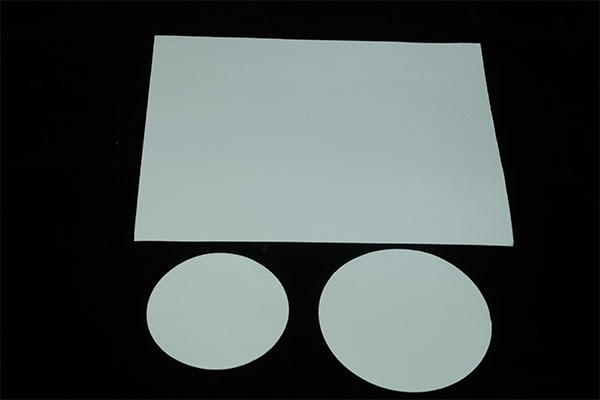
GF/D filters act as a robust prefilter, catching larger debris before fluid reaches finer filters like GF/B[^8]. This not only increases the lifespan of retentive membranes[^9] but also improves the overall filtration process.
Efficient Pairing Options:
| Filter Combination | Advantages |
|---|---|
| GF/D + GF/B | Better particle capture and enhanced membrane life |
| GF/D + GF/C | Optimized for air filtration and gravimetric tasks |
Using these combinations ensures consistency and reliability, especially during high-volume or critical filtration processes.
What Applications Are GF/D Filters Best Suited For?
Not all filters are built for extreme conditions. GF/D filters, however, excel in challenging environments.
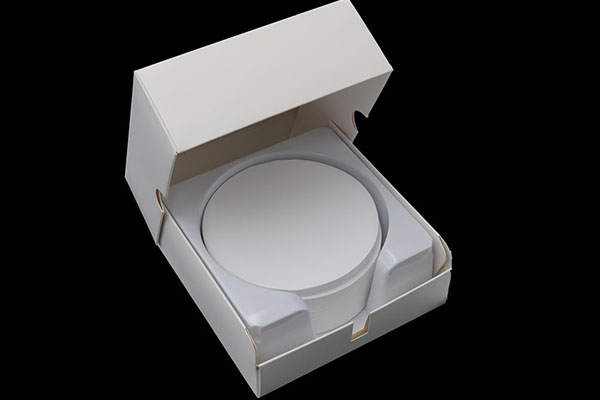
Their borosilicate glass material withstands temperatures up to 550°C[^11], making them perfect for ignition-related tasks. Whether measuring air particulates, collecting smoke samples, or analyzing suspended solids in water, GF/D filters deliver reliable results.
Common Applications:
| Application | Filter Grade | Why GF/D? |
|---|---|---|
| Air Filtration | GF/D | High flow rate and particle loading |
| Gravimetric Analysis | GF/D | Temperature resistance and precision |
| Suspended Solids in Water | GF/D | Hydrophilic material enables clarity |
Their hydrophilic property also makes them effective in aqueous filtration processes[^12], ensuring smoother fluid flow and better clarity.
Why Choose HuaEnv's GF/D Filters?
Global filtration needs are evolving, and HuaEnv provides an alternative to high-cost international brands like Whatman and Ahlstrom.
HuaEnv's GF/D filters offer comparable quality at a more competitive price, with free samples available for testing.
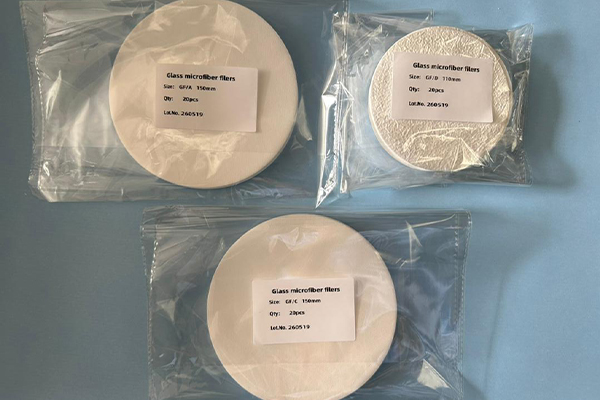
Partnering with HuaEnv not only ensures high-quality filters but also supports customization for specific laboratory and industrial needs. These filters are manufactured to meet stringent industry standards, ensuring consistent performance.
Benefits of HuaEnv GF/D Filters:
| Feature | Advantage |
|---|---|
| Cost-Effectiveness | Affordable alternative to premium brands |
| Customization | Filters tailored to specific requirements |
| Free Samples | Risk-free testing |
| High-Quality Production | Consistent and reliable performance |
With a range that includes GF/B, GF/A, GF/D, GF/F, and more, HuaEnv ensures you never run out of options for your filtration needs.
Conclusion
GF/D grade glass microfiber prefilters combine strength, speed, and reliability. Their high particle loading capacity, fast flow rates, and compatibility make them ideal for demanding applications. HuaEnv’s GF/D filters are an excellent alternative to premium international brands, offering quality and cost-effectiveness.
[^1]: "Whatman Glass Microfiber Grade GF/C Filter Discs 1.2 μm Pore Size", https://huaenv.com/whatman-glass-microfiber-grade-gf-c-filter-discs-1-2-%CE%BCm-pore-size-what-makes-them-unique/. Technical specifications for GF/D-type glass microfiber filters report relatively high flow characteristics and suitability as prefilters for samples with substantial particulate loading. Evidence role: general_support; source type: other. Supports: GF/D grade glass microfiber prefilters are designed for high particle loading and faster flow rates.. Scope note: Support is likely based on manufacturer or laboratory specifications for GF/D-grade filters rather than independent performance testing across all brands.
[^2]: "[PDF] Whatman filtration Product guide", https://macro.lsu.edu/howto/Whatman-filtration-product-guide.pdf. Laboratory filtration references describe glass microfiber filters as commonly used for air particulate collection and gravimetric procedures where filters may be heated or ignited. Evidence role: general_support; source type: education. Supports: GF/D filters are suitable for air filtration and gravimetric analysis involving ignition.. Scope note: This supports the general suitability of glass microfiber filters for these applications; it may not independently establish that every GF/D product is ideal for them.
[^3]: "Whatman™ Glass Microfiber Filters | Krackeler Scientific, Inc.", https://www.krackeler.com/catalog/product/3775/Whatman-8482-Glass-Microfiber-Filters. Published filter specifications for GF/D glass microfiber media describe the grade as relatively thick and fast-flowing, characteristics associated with high particulate loading capacity. Evidence role: mechanism; source type: other. Supports: GF/D filters combine high particle loading capacity with improved flow rates.. Scope note: The source would substantiate the relationship between thickness, flow, and loading capacity in specification terms, not necessarily in the article’s exact operating conditions.
[^4]: "[PDF] Lecture 8 - Filters Uses of Filters Flow Through vs. Crossflow Filtration", https://apps.aoi.wsu.edu/onlineMedia/pdf_version/enolcert103_08_pre(c132).pdf. Filtration handbooks explain that prefilters are used upstream of finer membranes to retain coarse particulates and reduce fouling of the final membrane. Evidence role: mechanism; source type: education. Supports: GF/D filters can protect finely retentive membranes by catching larger particles before they reach the membrane.. Scope note: This supports the general prefiltration mechanism; it does not prove the magnitude of membrane-life extension for a specific GF/D and membrane pairing.
[^5]: "Whatman glass microfiber filters, Grade GF/D diam ... - Sigma-Aldrich", https://www.sigmaaldrich.com/CA/en/product/aldrich/wha1823047?srsltid=AfmBOoqCZ_XFLgH-zxgzvnEcJLh-596vOMgyeGk4WjTAswutVwZ_QVFZ. GF/D filter specifications list a nominal thickness of about 675 µm, indicating a comparatively thick glass microfiber medium used for prefiltration and high solids loading. Evidence role: general_support; source type: other. Supports: GF/D filters have a 675 µm thickness that contributes to their robustness or durability.. Scope note: The cited thickness supports the physical basis for robustness, but durability under use depends on handling, diameter, housing, and sample conditions.
[^6]: "Whatman ® glass microfiber grade GF/D prefilter discs 2.7 μm pore ...", https://www.sigmaaldrich.com/US/en/product/aldrich/wha1823007?srsltid=AfmBOoo6oKvGixsg_VakzgjDZxolI8h6T5O8O71711GbQ3XzuzBMEPZA. GF/D technical specifications commonly report a nominal particle retention around 2.7 µm and relatively rapid flow, supporting its role as a coarse-to-medium retention prefilter. Evidence role: general_support; source type: other. Supports: GF/D filters have about 2.7 µm particle retention and are used where both retention and flow are important.. Scope note: The phrase “balances precision with speed” is interpretive; a source can document retention and flow values but not the article’s qualitative judgment directly.
[^7]: "Experimental Study of Filtration Materials Used in the Car Air Intake", https://pmc.ncbi.nlm.nih.g