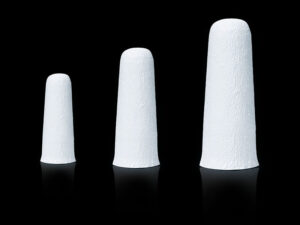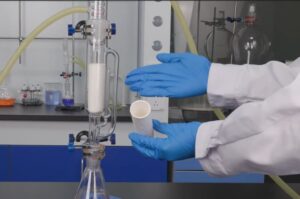
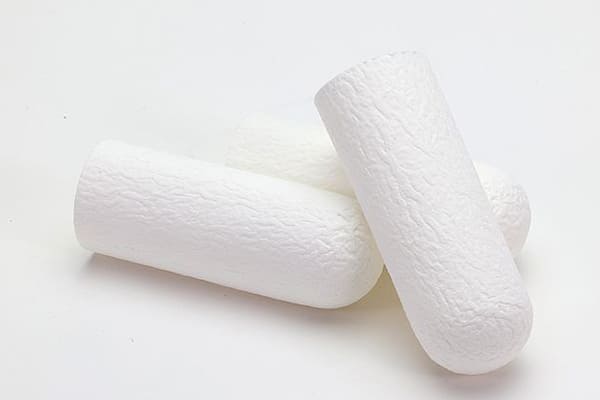
Choosing the right extraction thimble[^1] can be a daunting task, especially when considering the variety of materials and sizes available. It's crucial to make an informed choice to ensure optimal performance in your laboratory applications.
The ideal extraction thimble[^1] depends on the specific requirements of your application. Material and size are critical factors to consider. Cellulose and glass fiber thimbles[^2] are popular choices, each offering unique benefits. Size compatibility with your equipment, like the Gerhardt Soxhlet Extractor[^3], is also essential.
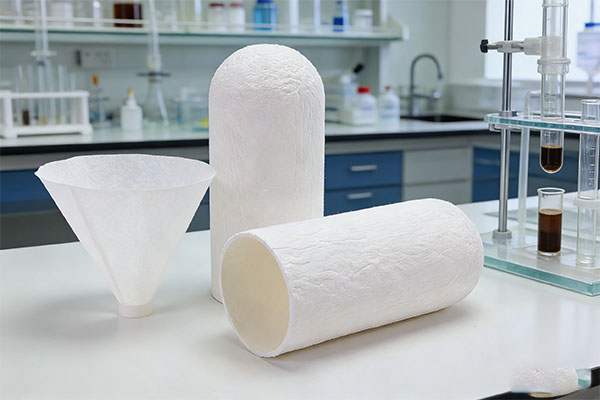
The decision-making process involves understanding the properties of thimble materials and how they interact with your samples. Let's delve into the options and considerations.
What Materials Are Available for Extraction Thimbles?
Selecting the right material for your extraction thimble[^1] is vital. It prevents contamination and optimizes extraction efficiency[^4], which is crucial for accurate results in your experiments.
Cellulose extraction thimbles[^5]s are excellent for general-purpose applications. They are known for their high purity and low ash content, making them suitable for a wide range of Soxhlet applications. Glass fiber thimbles, on the other hand, offer high thermal resistance[^6] and are ideal for high-temperature extractions. They are less likely to degrade, ensuring consistent results.
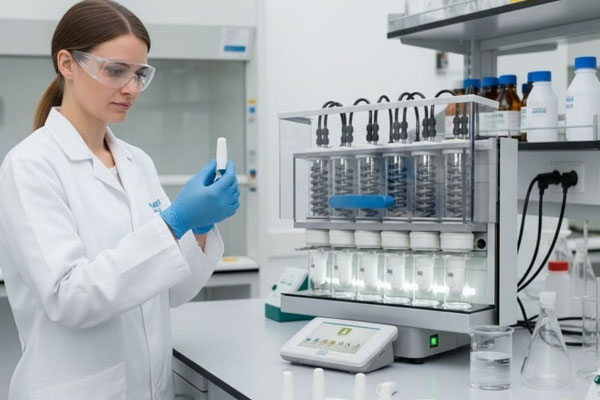
Dive deeper into the characteristics of cellulose and glass fiber thimbles[^2] to understand better which suits your needs. Consider their compatibility with solvents and whether they can withstand the conditions of your specific extraction process. Cellulose thimbles are biodegradable and less expensive, making them a cost-effective choice. Glass fiber thimbles, while more durable under harsh conditions, are non-biodegradable and may be pricier.
How Do You Determine the Correct Size?
Finding the right size for your extraction thimble[^1] is crucial to ensure compatibility with your lab equipment and effectiveness in your experiments.
The size of the thimble you choose should match the size of the Soxhlet extractor or similar equipment you are using. Commonly used sizes for Gerhardt Soxhlet Extractor[^3]s include Ø 33 x 80 mm and Ø 33 x 94 mm. Knowing the dimensions of your equipment allows you to select a thimble that fits perfectly, avoiding spills and ensuring efficient extraction.
Dive deeper into the importance of size compatibility[^7]. A well-fitting thimble ensures optimal extraction efficiency[^4] and prevents sample loss. Below is a table of available sizes to help you choose the right thimble for your needs:
| ID × H (mm) | Description |
|---|---|
| 17x33 | Small-scale extractions |
| 19x90 | Versatile applications |
| 22x60 | Medium-thickness samples |
| 22x90 | Larger capacity |
| 26x60 | Compact extractions |
| 27x80 | Regular usage |
| 28x70 | Multi-purpose |
| 28x100 | High-volume extractions |
| 30x60 | Space-efficient |
| 30x80 | Standard size |
| 30x100 | Extended capacity |
| 33x60 | Regular samples |
| 33x80 | Common choice |
| 33x94 | Larger sample size |
| 34x80 | Additional capacity |
| 34x100 | Extensive applications |
| 36x60 | Compact and efficient |
| 36x80 | General use |
| 36x94 | Larger usability |
| 36x100 | High capacity |
| 37x130 | Specialized applications |
| 41x120 | Large-scale extractions |
| 41x150 | Extensive volume |
| 47x80 | Large diameter applications |
| 47x123 | High-volume conditions |
| 58x170 | Specialized needs |
| 70x240 | Unique circumstances |
| 80x200 | High-capacity extractions |
| 80x250 | Maximum volume |
| 95x250 | Specialty applications |
Conclusion
Choosing the right extraction thimble[^1] involves considering both material and size to suit your specific laboratory needs. Proper selection ensures efficient and accurate results in your extraction processes.
[^1]: Explore this link to understand the fundamentals of extraction thimbles and their applications in laboratory settings.
[^2]: Discover the unique properties of glass fiber thimbles and why they are preferred for high-temperature extractions.
[^3]: Gain insights into the Soxhlet extraction process and how it utilizes thimbles for efficient sample extraction.
[^4]: Learn strategies to enhance extraction efficiency, ensuring accurate and reliable results in your experiments.
[^5]: Learn about the advantages of cellulose thimbles, including their purity and cost-effectiveness for various applications.
[^6]: Explore materials that withstand high temperatures, ensuring durability and consistent results in extractions.
[^7]: Understand the significance of matching thimble sizes with equipment to ensure optimal extraction efficiency.