
Soxhlet extraction thimbles[^1] are crucial for precise filtration. Without them, the process wouldn't yield accurate results.
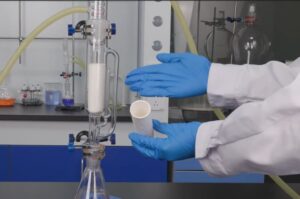
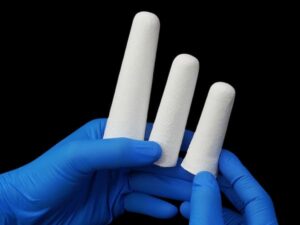
Soxhlet extraction thimbles[^1], often made from cellulose[^2], are vital components in Soxhlet extractors. They support the filtration process[^3] by holding solid samples while allowing solvents to pass through, ensuring efficient extraction of desired compounds.
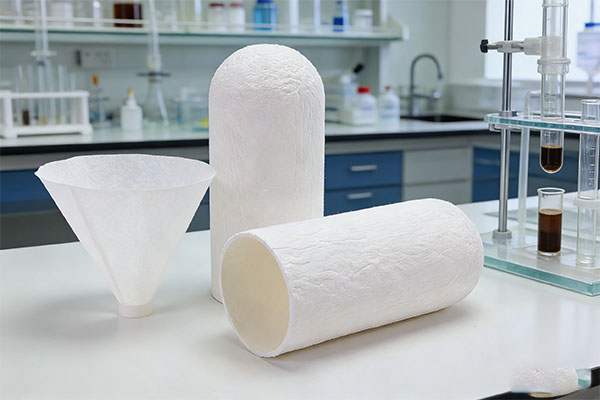
The significance of Soxhlet extraction thimbles[^1] is often underestimated. These components are not just mere accessories; they are pivotal in determining the efficacy and accuracy of the extraction process. The choice of thimble material directly impacts the purity of the final extract and the efficiency of the procedure. As someone deeply involved in laboratory processes, I understand the importance of selecting the right thimble, as it can be the difference between success and failure in complex extractions.
Why Choose Cellulose for Soxhlet Extraction Thimbles?
Choosing the right material for Soxhlet extraction thimbles[^1] is crucial. Cellulose is the preferred choice for many due to its cost-effectiveness and efficiency.
Cellulose Soxhlet extraction thimbles[^1] are favored in many laboratories because they provide an excellent balance of strength, permeability, and cost-effectiveness. They are particularly suitable for extracting non-polar compounds, offering reliable filtration without compromising on quality.
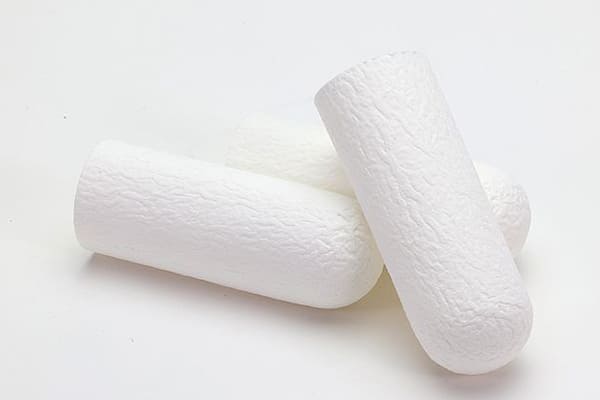
Cellulose, being a natural polymer, offers several advantages in the context of Soxhlet extraction. Its porous structure supports efficient solvent flow while maintaining the integrity of the solid samples. This property is particularly beneficial when extracting compounds that require consistent solvent exposure. Moreover, cellulose[^2] is resistant to many solvents, making it suitable for various applications, from environmental monitoring to food and beverage testing[^4]. In my experience, relying on cellulose[^2] thimbles ensures not only cost efficiency but also consistency in extraction outcomes.
What Are the Applications of Soxhlet Extraction Thimbles?
The applications of Soxhlet extraction thimbles[^5]s](https://huaenv.com/what-is-the-use-of-a-thimble-in-soxhlet-extraction/)[^1] span across various industries, making them indispensable tools in laboratories.
Soxhlet extraction thimbles[^1] are used in diverse fields, including environmental analysis[^6], food and beverage testing[^4], pharmaceuticals, and cosmetics. Their ability to facilitate the extraction of oils, fats, and other compounds makes them essential for accurate analytical results.
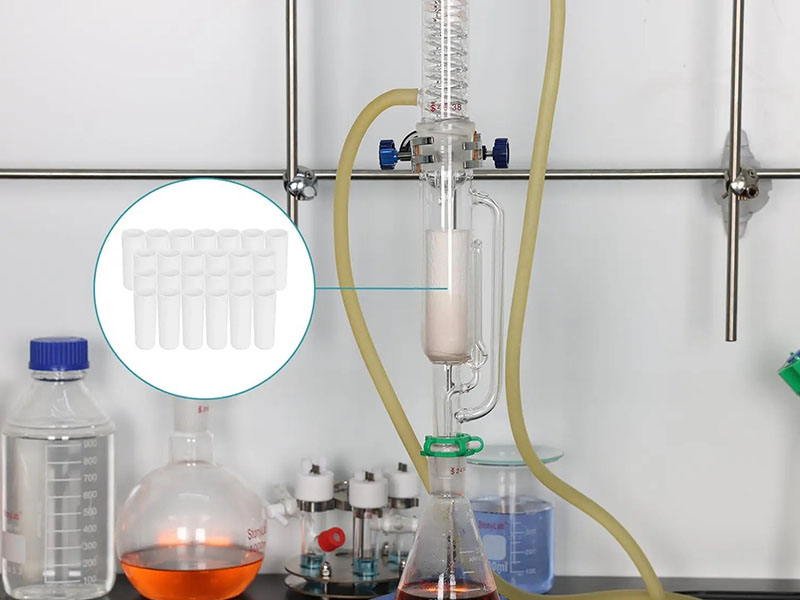
In the realm of laboratory filtration, Soxhlet extraction thimbles[^1] serve a broad spectrum of purposes. In environmental science, they are instrumental in analyzing pollutants in water and air samples. The food and beverage industry relies on them to assess the quality of products by measuring fat content. Moreover, in pharmaceuticals and cosmetics, Soxhlet extraction ensures the purity and concentration of active ingredients. I've seen firsthand how the choice of extraction thimble can directly influence the accuracy of these analyses, underscoring their critical role in laboratory settings.
Conclusion
Soxhlet extraction thimbles[^1], especially those made from cellulose[^2], are vital for effective filtration and extraction processes across various industries.
[^1]: Explore this link to understand the critical role Soxhlet extraction thimbles play in achieving accurate laboratory results.
[^2]: Discover the benefits of cellulose in extraction processes and how it enhances efficiency and cost-effectiveness.
[^3]: Learn about the filtration process in Soxhlet extraction to appreciate how it impacts the quality of the final extract.
[^4]: Understand how these thimbles ensure quality control in food and beverage products through precise extraction.
[^5]: Find out how Soxhlet extraction thimbles are utilized across different fields for accurate analytical results.
[^6]: Explore their role in environmental science and how they help in analyzing pollutants effectively.