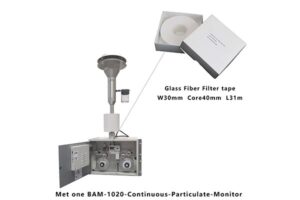

Filter tape installation can be tricky, even for seasoned users. Missteps can cause inaccurate readings and downtime. Understanding the correct procedure is vital for optimal performance.
Installing the filter tape[^1] on a BAM 1020 monitor[^2] follows a series of steps to ensure accurate particulate monitoring[^3]. Clean the area, position the tape properly, and secure it with consistent tension for reliable data collection.
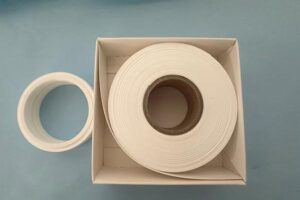
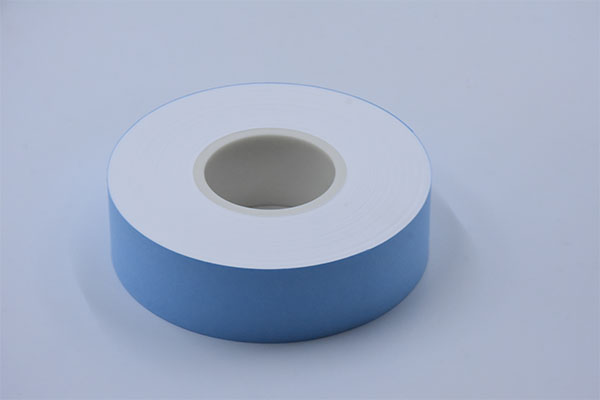
When I first encountered the BAM 1020, a Continuous Particulate Monitor, its complexity was apparent. It uses a specific filter tape[^1], GF10/GF61 glass fiber paper[^4], with dimensions W30mm core40mmL31m. This tape has a reorder number of 460180 and a lot number A18750265. Each roll lasts about 90 days.
What are the steps to correctly install the BAM 1020 filter tape[^1]?
Incorrect installation can lead to inaccurate particulate measurements, affecting air quality data and compliance. Proper installation ensures the monitor works efficiently and provides reliable results.
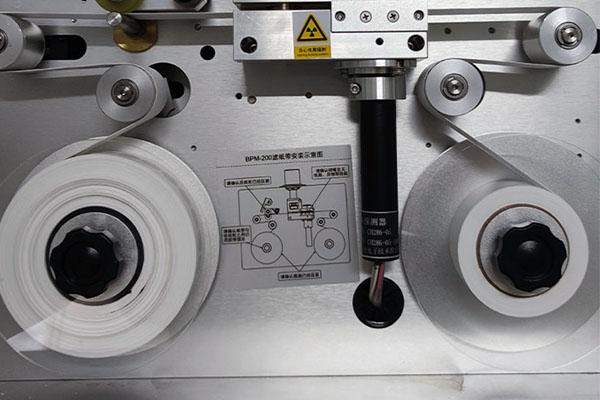
Begin by cleaning the tape path and surrounding area to prevent contamination. Next, unfold the tape, ensuring it lies flat without wrinkles or twists. Secure the tape with appropriate tension, aligning the edges precisely to enable accurate reading.
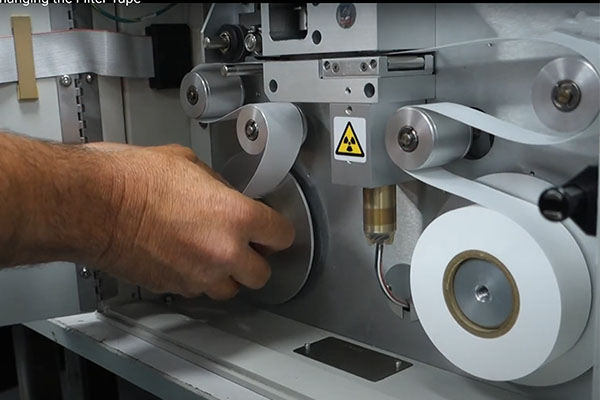
When installing the filter tape[^1], cleanliness is paramount. Begin by cleaning the tape path and surrounding area, removing any dust or debris that might interfere with the tape's placement. Carefully unpack the filter tape[^1], making sure it's not wrinkled or twisted. Align the tape with the edges of the sensor area, checking that the tension is consistent across its length. This prevents slack or tightness, which can skew data and lead to false readings. Regular checks and adjustments are crucial to maintaining the integrity of the measurements provided by the BAM 1020 monitor[^2]. Consider keeping a checklist to ensure each step is followed meticulously, enhancing the reliability and accuracy of your monitoring results.
Why is regular maintenance[^5] important for the BAM 1020 filter tape[^1]?
Neglecting maintenance can result in reduced efficiency and data inaccuracies. Regular checks and upkeep ensure the monitor functions optimally and consistently.
Regular maintenance involves inspecting the tape path for wear or contamination, replacing the filter tape[^1] as needed, and calibrating the monitor to ensure precise readings. This helps maintain data integrity[^6] and monitor lifespan.
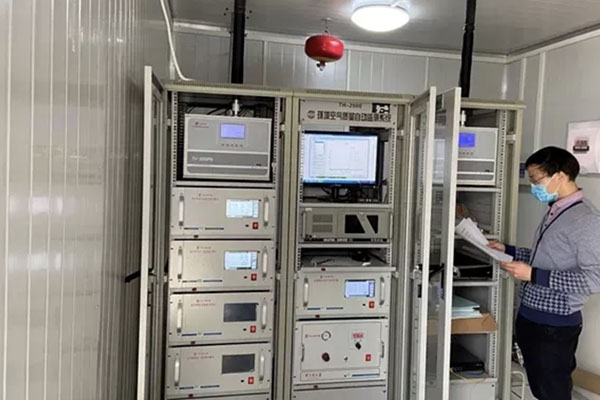
Regular maintenance ensures the BAM 1020 monitor[^2] remains a reliable tool in environmental monitoring. Inspect the tape path regularly for signs of wear or contamination that might affect tape placement. Replace the filter tape[^1] when it nears the end of its lifespan, approximately every 90 days, as indicated by usage and performance checks. Calibration is another crucial aspect, ensuring the monitor provides precise and accurate readings. Take time to perform these checks periodically, including examining the surrounding area for potential contaminants that might affect the tape's performance. Consistent maintenance routines enhance the monitor's efficiency, ensuring it delivers high-quality data for informed decision-making regarding air quality and environmental health.
Conclusion
Proper installation and regular maintenance[^5] of the BAM 1020 filter tape[^1] ensures accurate data collection and monitor efficiency.
[^1]: Learn about filter tape's role in monitoring systems, which is crucial for accurate data collection.
[^2]: Explore this link to understand the functionality and features of the BAM 1020 monitor, enhancing your installation knowledge.
[^3]: Find strategies for accurate particulate monitoring to improve your environmental assessments and data reliability.
[^4]: Discover the properties of GF10/GF61 glass fiber paper to ensure you are using the right materials for your monitoring needs.
[^5]: Understand the significance of regular maintenance to keep your monitoring equipment functioning optimally.
[^6]: Explore methods to maintain data integrity in environmental monitoring, crucial for reliable results.