
Can you imagine trying to cut corners by using coffee filter paper[^1] instead of high-quality cellulose thimbles[^2] for Soxhlet extraction[^3]? It's not uncommon, but this seemingly cost-saving method can compromise the accuracy of your results.
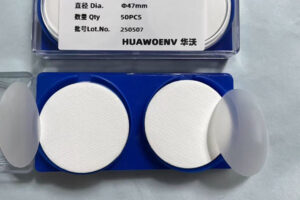
To create thimbles for Soxhlet extraction[^3], use filter paper made from high-quality cellulose cotton. This ensures strong mechanical strength[^4] and retention power, similar to Cellulose Extraction Thimbles used in laboratories. Using coffee filter paper[^1]s instead might lead to inaccurate results due to inadequate material properties.
Have you ever wondered why some labs opt for cheaper alternatives like coffee filter paper[^1]s? It might seem budget-friendly, but the mechanical strength[^4] and retention capacity of genuine cellulose thimbles[^2] are crucial for accurate experimental results[^5]. Let's explore why using proper cellulose thimbles[^2] is essential.
What are the essential qualities of a cellulose thimble?
Choosing the right material for your thimbles is crucial. Imagine using filter paper that lacks the mechanical strength[^4] needed for Soxhlet extraction[^3]. This could lead to tearing or inefficient extraction, affecting your results.
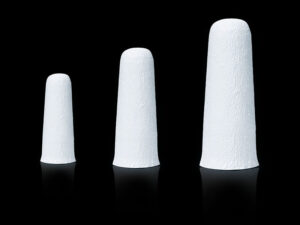
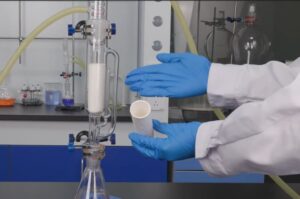
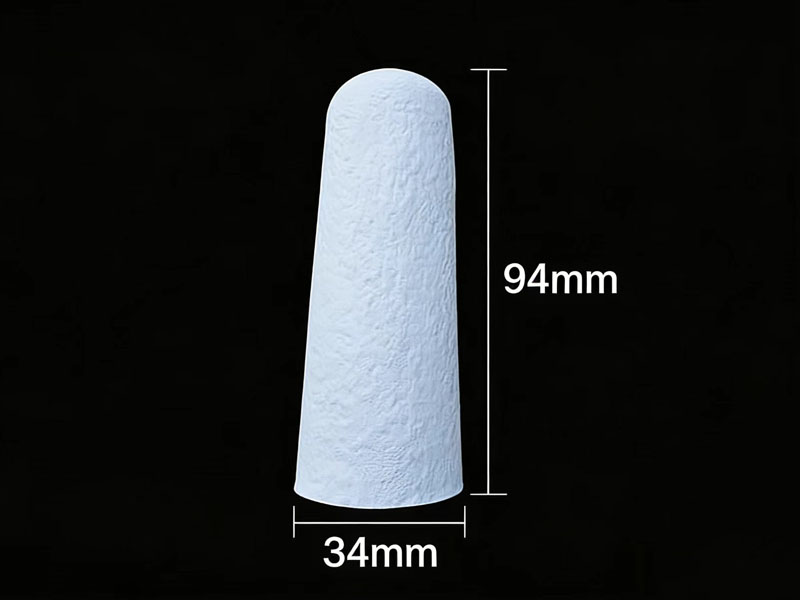
Cellulose thimbles are made from high-quality cellulose cotton, offering strong mechanical strength[^4] and retention capabilities[^6]. They are designed to withstand the rigorous demands of Soxhlet extraction[^3], ensuring accurate and reliable results. Using coffee filter paper[^1] may save costs initially but can compromise the experiment's integrity.
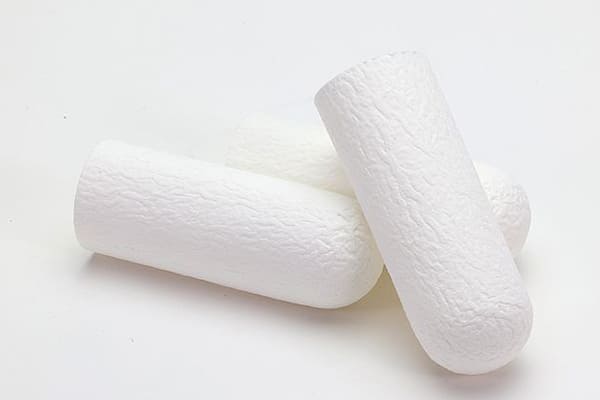
To dive deeper into the qualities needed for an effective cellulose thimble, let's consider some critical factors. First, a cellulose thimble must possess high mechanical strength[^4] to endure the continuous solvent passage during extraction. It should be strong enough not to tear or degrade, maintaining its structure throughout the process. Secondly, retention capability is vital. The thimble must effectively hold the sample while allowing solvent flow without losing any material. This ensures that the extraction process is efficient and reliable. Lastly, choosing a genuine cellulose thimble over alternatives like coffee filter paper[^1] can significantly impact the experiment's outcome, providing consistency and accuracy.
How can using coffee filter paper[^1] affect your experiments?
Using coffee filter paper[^1] instead of cellulose thimbles[^2] might seem like a clever cost-cutting strategy, but it can lead to unexpected complications in the lab. Have you experienced discrepancies in your results due to compromised thimble quality?
Coffee filter papers are not designed for the demands of Soxhlet extraction[^3]. They lack the necessary mechanical strength[^4] and retention capabilities[^6], leading to potential tearing and ineffective extraction. This substitution can cause inaccuracies, impacting the overall reliability of your experiments.
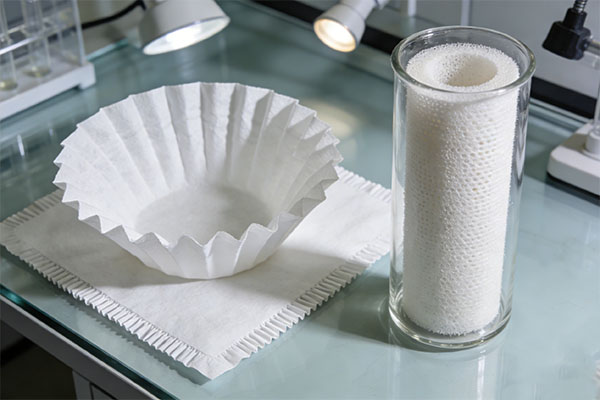
Let's dive deeper into the problems that arise from using coffee filter paper[^1]s. Their structure is not designed to withstand continuous solvent passage, making them prone to tearing or collapsing during extraction. This not only affects the retention of the sample but also hampers solvent flow, leading to inefficient extraction. Consequently, the results of your experiments may vary, lacking the accuracy and consistency that cellulose thimbles[^2] provide. These issues highlight the importance of investing in high-quality cellulose thimbles[^2] to ensure reliable and repeatable experimental outcomes.
Conclusion
Investing in high-quality cellulose thimbles[^2] is essential for accurate and reliable Soxhlet extraction[^3]s, ensuring the integrity of your experimental results.
[^1]: Discover the drawbacks of using coffee filter paper in experiments and why cellulose thimbles are superior.
[^2]: Understanding cellulose thimbles is crucial for accurate Soxhlet extraction results, ensuring your experiments are reliable.
[^3]: Gain insights into Soxhlet extraction processes to enhance your understanding of laboratory techniques.
[^4]: Learn how mechanical strength impacts the efficiency of Soxhlet extraction and the integrity of your results.
[^5]: Find strategies to achieve accurate results in your experiments, emphasizing the importance of quality materials.
[^6]: Explore the significance of retention capabilities in thimbles to ensure effective sample extraction.