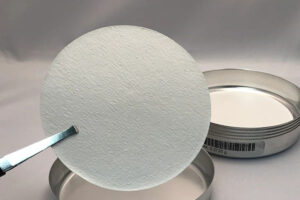

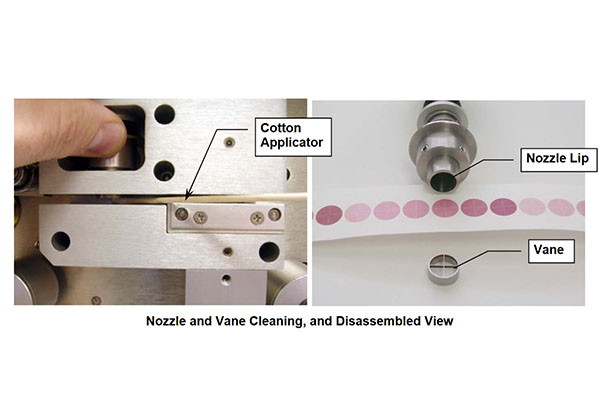
Sometimes, fitting a roll of BAM glass fiber filter tape[^1] into the BAM 1020[^2] sampler seems daunting. Following a few simple steps can ensure smooth installation and operation.
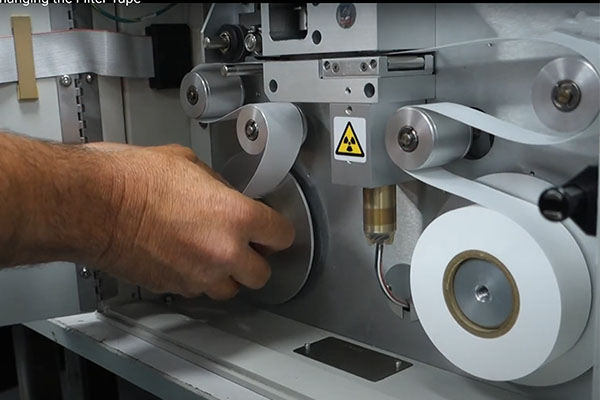
Improper loading of BAM glass fiber filter tape[^1] can cause measurement problems. To load the tape, follow these steps. First, turn on the BAM 1020[^2] to automatically raise the sample nozzle. Then, lift and latch the rubber pinch roller assembly in the UP position.
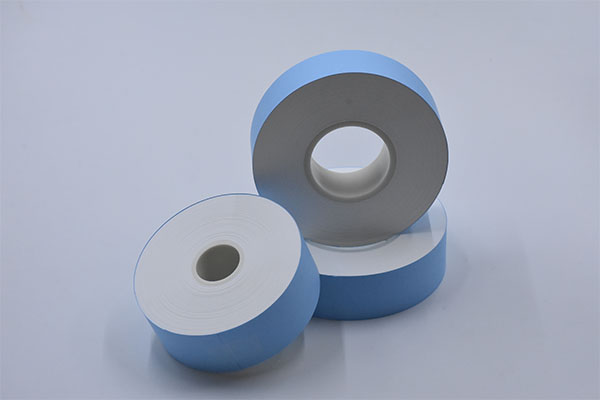
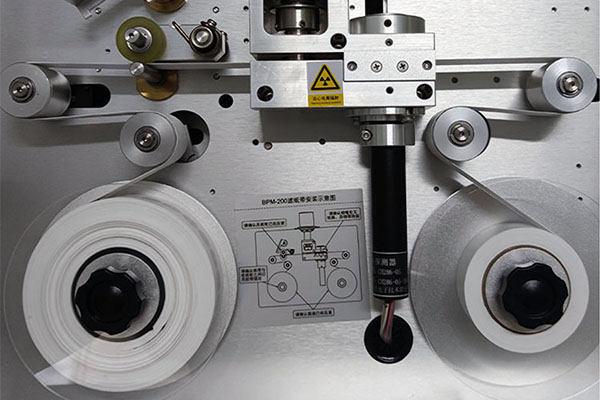
The loading process can be tricky, but with practice, it becomes straightforward. Unscrew and remove the clear plastic reel covers. Ensure an empty core tube is installed on the left reel hub. This tube should never be fastened directly to the aluminum hub. Loading begins with a new roll of filter tape onto the right supply reel.
Why is tape alignment[^3] crucial in BAM 1020[^2]?
Misaligned filter tape can lead to data interruptions and inaccurate sampling, causing frustration and wasted time.
To ensure proper alignment, center the filter tape on all rollers. Newer machines have score marks to help with this. After aligning, unlatch and lower the pinch roller assembly onto the tape. The BAM 1020[^2] won't operate if the pinch rollers remain latched up.
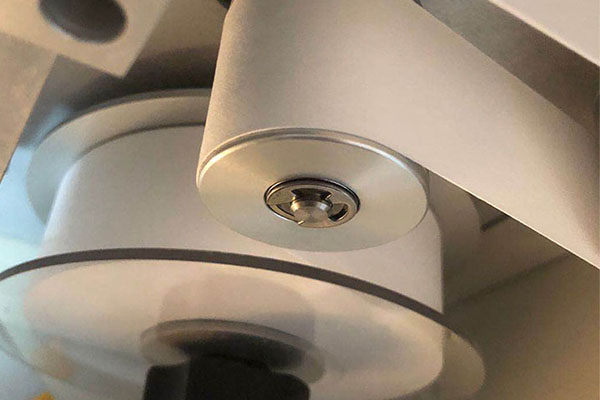
Accurate alignment is essential for smooth operation. Misalignment can cause slippage or inaccurate readings. It's crucial to check the tape's positioning meticulously. If your machine is older, use visual cues to ensure centered tape placement. Routine checks can prevent common issues linked to misalignment.
How does proper tensioning[^4] affect tape performance?
Proper tensioning is key to optimal performance and prevents errors during data collection[^5], saving valuable time and resources.
Press the TENSION soft-key in the TAPE menu. The BAM 1020[^2] will automatically set the correct tension and alert you if there's an error. Proper tension ensures the tape moves smoothly and collects accurate data.
Tensioning helps maintain consistency in data collection[^5]. Incorrect tension can lead to inaccurate measurements or operational failures. Regular checks and adjustments ensure the BAM 1020[^2] runs efficiently and effectively, avoiding costly downtime and data loss.
What role does self-test[^6] play after changing filter tape?
Running a self-test[^6] after each filter tape change verifies system functionality, preventing potential issues and ensuring reliability.
Located in the TAPE menu, press the SELF TEST soft-key to start. This function tests tape control and flow systems, alerting you to potential problems. Regular use aids in troubleshooting and maintains optimal performance.
The self-test[^6] is invaluable for preventing errors. It checks for issues in tape control and flow systems, offering peace of mind. Routine self-test[^6]ing ensures your BAM 1020[^2] operates at peak performance, safeguarding against unexpected failures.
Conclusion
Proper loading and maintenance of filter tape in the BAM 1020[^2] ensure smooth operation and accurate data collection[^5].
[^1]: Explore this link to understand the importance and application of BAM glass fiber filter tape in sampling.
[^2]: Learn about the BAM 1020's capabilities and how it enhances data collection processes.
[^3]: Discover why proper tape alignment is crucial for accurate measurements and efficient operation.
[^4]: Find out how maintaining correct tension can improve data accuracy and prevent operational issues.
[^5]: Explore best practices that can enhance the accuracy and efficiency of your data collection efforts.
[^6]: Understand the significance of the self-test feature in ensuring the reliability of your sampling equipment.