
The [BAM Glass Fiber Filter Tape Roll](https://huaenv.com/what-are-the-specific-specifications-of-bam-1020-filter-tape/
)[^1] is vital for accurate air quality monitoring. Improper usage can lead to unreliable data, affecting environmental assessments[^2].
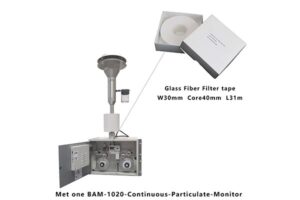
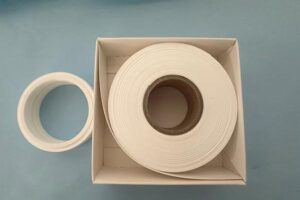
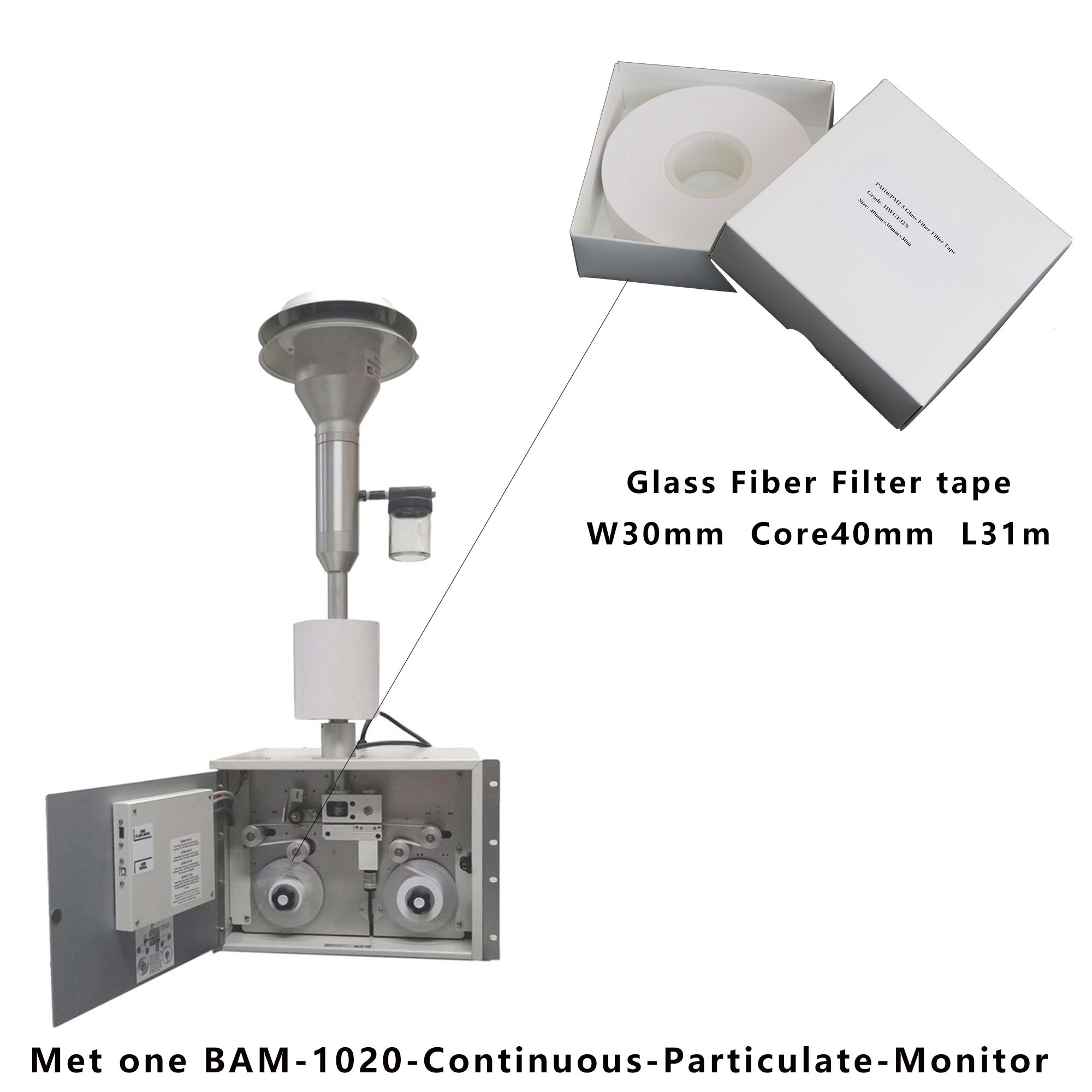
The BAM Glass Fiber Filter Tape Roll[^1] is designed for beta attenuation monitoring[^3] (BAM) instruments used in air quality monitoring. Sized at 30mm x 21m, it supplies 60 days of material for continuous particulate monitoring per FEM standards, measuring PM2.5 and PM10 concentrations[^4].
Using this filter tape correctly ensures precise results in environmental studies. Understanding its specifications and adherence to guidelines will maintain your monitoring system's efficacy.
What is the purpose of BAM Glass Fiber Filter Tape Roll[^1]?
The role of this tape is crucial in detecting air pollutants. Misunderstanding its function can compromise data integrity.
BAM Glass Fiber Filter Tape Roll[^1] is designed for beta attenuation monitoring[^3] instruments, essential for measuring particulate matter such as PM2.5 and PM10, aiding compliance with environmental regulations.
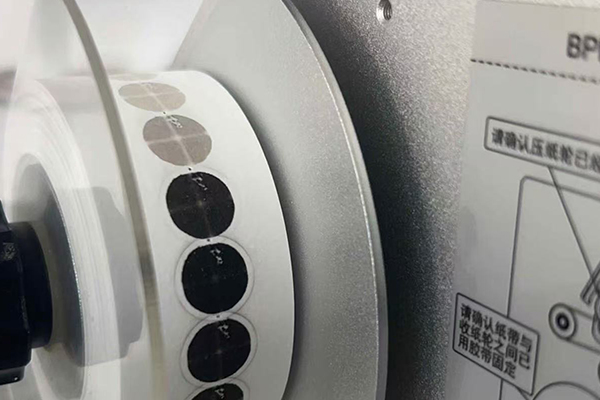
The tape works by trapping airborne particles on its surface as air passes. These particles are then analyzed using beta radiation. The attenuation changes as particles accumulate, which is used to calculate their mass concentration in the air. This process helps in determining air quality levels, ensuring compliance with environmental standards, and protecting public health.
How often should the BAM Glass Fiber Filter Tape Roll[^1] be replaced?
Neglecting timely replacement can skew data, leading to incorrect environmental assessments[^2] and public health risks.
The BAM Glass Fiber Filter Tape Roll[^1] should be replaced every 60 days to ensure accurate readings and compliance with the United States EPA Federal Equivalent Method standards.
Understanding the replacement cycle[^5] is crucial. The tape's 60-day lifespan is based on its capacity to trap particles effectively. Over time, the tape becomes saturated, reducing its ability to measure particulate matter accurately. Regular replacement ensures the monitoring equipment functions correctly, providing reliable data for environmental assessments[^2] and public safety.
What are the specifications and precautions[^6] for using BAM Glass Fiber Filter Tape Roll[^1]?
Ignoring specifications and precautions[^6] can lead to faulty data and equipment damage.
BAM Glass Fiber Filter Tape Roll[^1] specifications include a size of 30mm x 21m, designed specifically for BAM 1020 instruments. Precautions involve ensuring proper installation to avoid contamination.
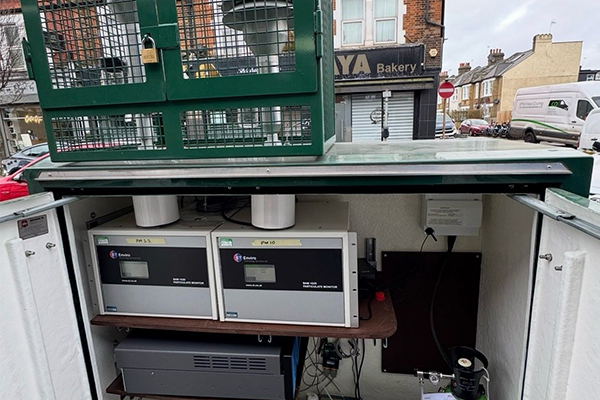
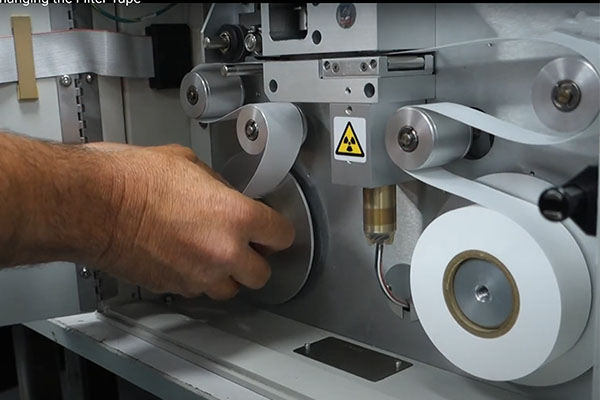
Installation requires careful handling to prevent contamination. Ensure the tape is clean and undamaged before use, as any flaw can impact its performance. Follow the manufacturer's guidelines for installation and operation, ensuring the tape feeds correctly into the monitoring system. Regular maintenance of the BAM instrument is essential to avoid malfunction, ensuring consistent and accurate data collection for air quality assessments.
Conclusion
Proper use of the BAM Glass Fiber Filter Tape Roll[^1] is essential for reliable air quality data and environmental compliance.
[^1]: Explore this link to understand the critical role of the BAM Glass Fiber Filter Tape Roll in ensuring accurate air quality measurements.
[^2]: Find out how environmental assessments rely on accurate air quality data for regulatory compliance and public safety.
[^3]: Learn about beta attenuation monitoring and its significance in measuring particulate matter effectively.
[^4]: Discover the importance of PM2.5 and PM10 concentrations in air quality monitoring and public health.
[^5]: Understand the importance of the replacement cycle for filter tapes to maintain accurate air quality monitoring.
[^6]: Explore the specifications and precautions to ensure proper use and maintenance of the BAM Glass Fiber Filter Tape Roll.