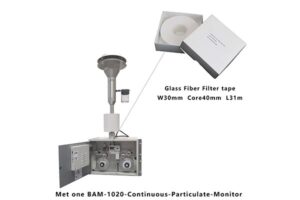

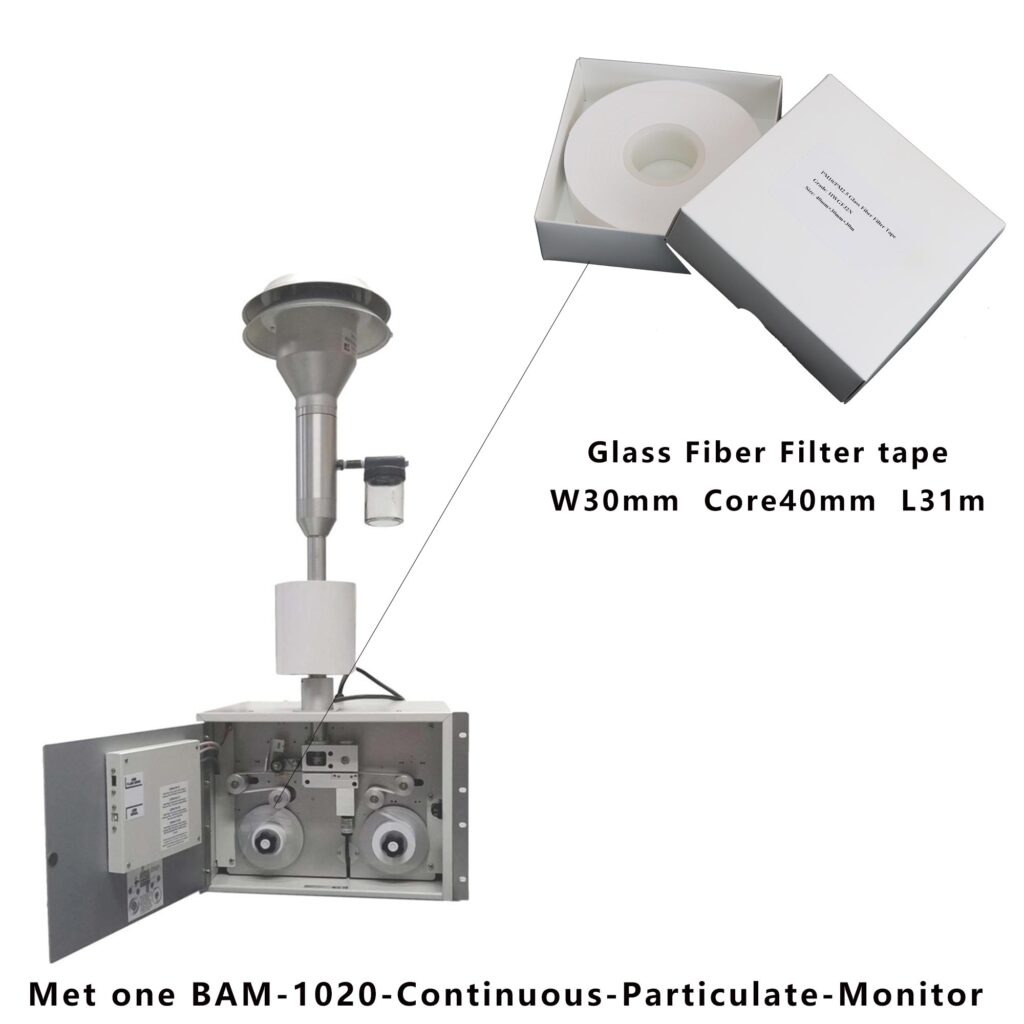
BAM 1020 filter tape[^1] plays a crucial role in environmental monitoring, but its breakage can disrupt important measurements. Ensuring the tape functions correctly is vital for accurate data collection.
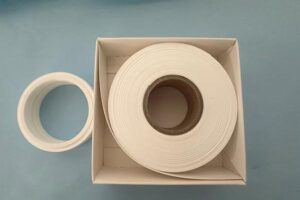
The BAM 1020 filter tape[^1] is a hydrophobic glass microfiber filter[^2] with an organic binder. It efficiently retains particles of 0.3-0.5 µm and has a capture rate of over 99.995%. This reliability, combined with its weight and mechanical stability[^3], makes it ideal for PM2.5/PM10 online monitoring[^4] and aerosol collection, using methods like beta-ray or infrared weighing for quantitative analysis.
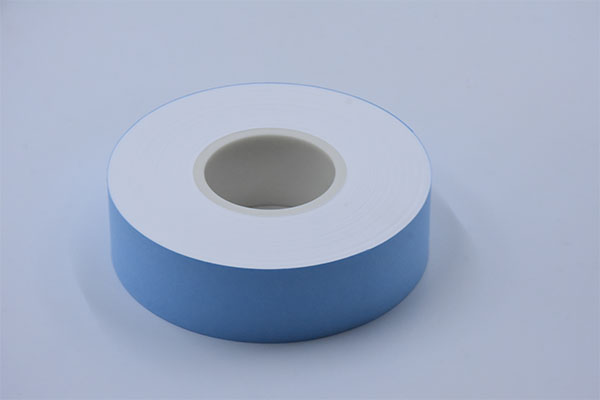
To troubleshoot its breakage, first check the machine for any faults and ensure proper installation and calibration. Using substandard BAM 1020 filter tape[^1] rolls can also lead to breakage issues. Quality control is crucial to prevent such disruptions, ensuring the longevity and functionality of your monitoring equipment.
Why is BAM 1020 filter tape[^1] so important?
Environmental monitoring relies heavily on BAM 1020 filter tape[^1]s to deliver precise measurements. Without them, assessing air quality effectively becomes challenging.
BAM 1020 filter tape[^1]s are essential for online monitoring of PM2.5 and PM10, crucial for tracking air quality. They withstand high temperatures up to 180°C, offering excellent particle retention and low nonspecific adsorption. Their design ensures rapid airflow, making them vital for accurate data in environmental studies.

The tapes' hydrophobic nature, coupled with mechanical stability[^3], guarantees consistent performance. This reliability is indispensable for environmental agencies that depend on precise particulate matter readings to protect public health and make informed regulatory decisions.
How to select quality BAM 1020 filter tape[^1]?
Choosing the right BAM 1020 filter tape[^1] is crucial to maintain data accuracy in environmental monitoring systems. Here's how you can select the best one.
When selecting BAM 1020 filter tape[^1], focus on quality assurance[^5] and adherence to specifications. High-quality tapes retain particles efficiently and provide consistent weight stability. They should be sourced from reputable manufacturers who ensure rigorous testing for flow rate and temperature resistance.
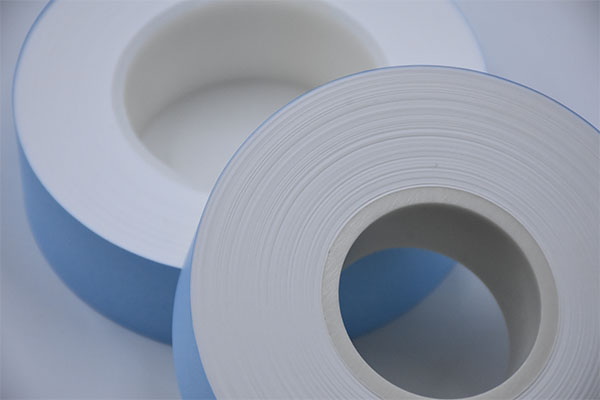
Reputable suppliers like HuaEnv offer an array of tapes and other monitoring consumables, such as PTFE, QMA quartz, and EPM2000 glass fiber filters. Collaborating with trusted distributors ensures you receive products that meet stringent environmental monitoring standards[^6], safeguarding both data integrity and equipment functionality.
What are the common issues with BAM 1020 filter tape[^1]?
Understanding common problems with BAM 1020 filter tape[^1]s can help prevent disruptions in environmental monitoring processes.
Breakage can stem from machine malfunctions or poor calibration. Substandard tapes often lead to premature failures, affecting data collection. Ensuring tapes are installed correctly and sourced from reputable manufacturers can mitigate these issues and maintain monitoring accuracy.
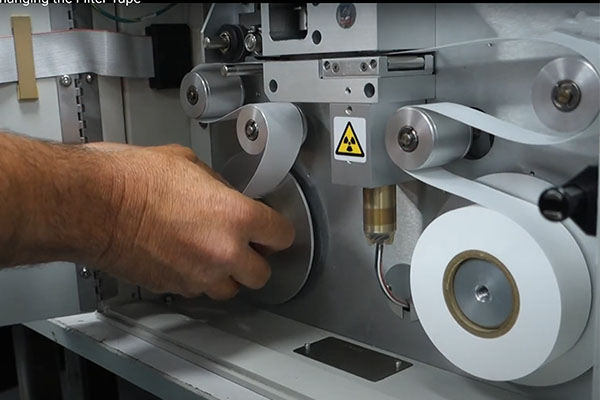
Environmental factors, like extreme temperatures or humidity, can also impact tape performance. Regular maintenance of monitoring equipment and timely replacement of tapes are essential practices to prevent disruptions and ensure reliable data capture.
Conclusion
Troubleshooting BAM 1020 filter tape[^1] involves checking machine faults and ensuring tape quality. Quality selection is key to preventing breakage and maintaining accurate environmental monitoring data.
[^1]: Explore this link to understand the significance of BAM 1020 filter tape in ensuring accurate environmental data collection.
[^2]: Discover the advantages of hydrophobic glass microfiber filters for effective particle retention and data accuracy.
[^3]: Explore how mechanical stability contributes to the reliability and performance of filter tapes in various conditions.
[^4]: Learn about the critical role of PM2.5/PM10 monitoring in air quality assessment and public health.
[^5]: Understand the importance of quality assurance in maintaining the integrity of environmental monitoring systems.
[^6]: Gain insights into the standards that ensure filter tapes meet the necessary requirements for accurate environmental monitoring.