
The BAM 1020 filter tape[^1]'s lifespan is a critical factor in accurate particulate monitoring. Improper storage or counterfeit products[^2] can lead to reduced effectiveness and equipment failures.
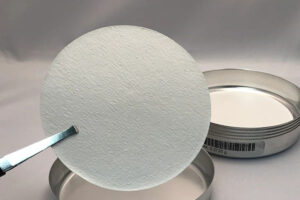
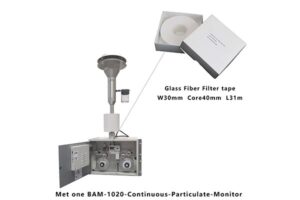
The BAM 1020 filter tape[^1] is a hydrophobic glass microfiber filter membrane[^3] with organic binders. It offers fast flow rates, over 99.995% retention[^4] for 0.3-0.5 µm particles, and exceptional thermal and mechanical stability[^5].
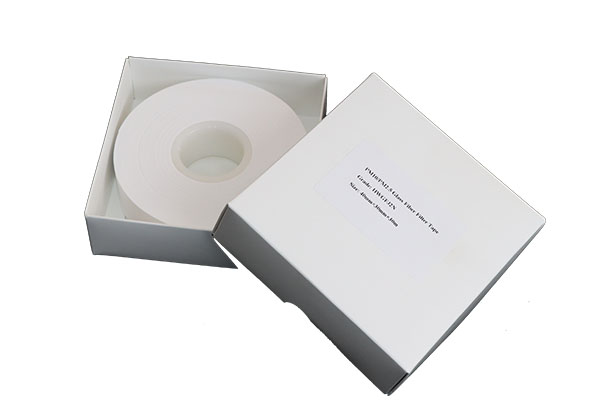
Ensuring the lifespan of the BAM 1020 tape is crucial for consistent particulate monitoring. Why? Because a compromised tape can result in inaccurate data, equipment malfunctions[^6], and increased monitoring costs. Let's explore this topic further.
What factors affect the lifespan of BAM 1020 filter tape[^1]?
The BAM 1020 filter tape[^1] can lose its effectiveness due to improper storage[^7] or exposure to unfavorable conditions. Counterfeit products can also pose risks to monitoring reliability.
The lifespan of BAM 1020 filter tape[^1]s depends on their storage conditions, handling, and the frequency of use. Continuous exposure to moisture, extreme temperatures, or contaminants can degrade its performance. Using counterfeit tapes can lead to premature wear and unreliable monitoring results.
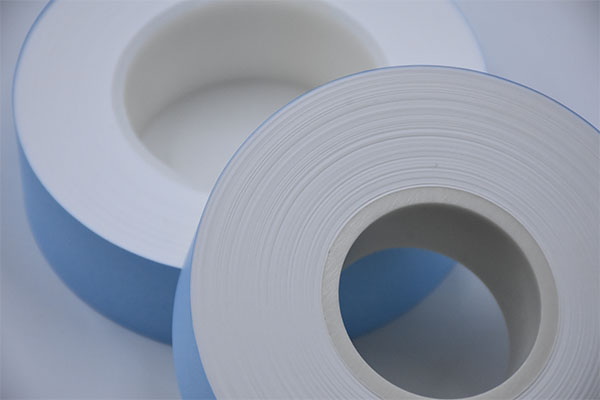
Dive deeper: Understanding the impact of proper storage and handling
Proper storage ensures the tape retains its hydrophobic properties and filtration efficiency. If not stored in a clean, dry, and temperature-controlled environment, the glass microfiber could absorb moisture, reducing its effectiveness. Similarly, mishandling — like creasing or contaminating the tape — can compromise its mechanical stability[^5].
| Factor | Impact on Lifespan | Prevention Tips |
|---|---|---|
| Storage Conditions | Degrades performance | Store in dry, stable environments |
| Handling | Causes damage | Avoid creasing or contamination |
| Counterfeit Products | Risk of failure | Source from trusted manufacturers |
How does counterfeit BAM 1020 filter tape[^1] affect monitoring accuracy?
Counterfeit BAM 1020 filter tape[^1]s often lack the precise engineering and quality materials required for effective particulate retention and weight stability. This affects monitoring accuracy.
Authentic BAM 1020 filter tape[^1]s are engineered to retain over 99.995% of standard particles between 0.3-0.5 µm. Counterfeits may fail to meet this threshold, leading to inaccurate PM2.5/PM10 measurements and higher errors in data collection.
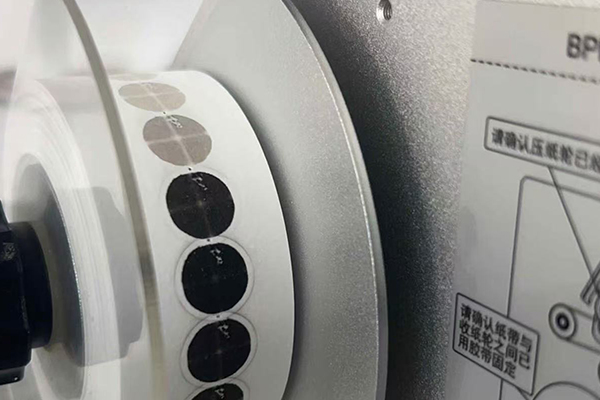
Dive deeper: Identifying counterfeit filter tapes
Recognizing counterfeit tapes involves inspecting their physical characteristics and performance consistency. Counterfeit tapes might exhibit irregular thickness, higher non-specific adsorption rates, or inconsistent weight stability under stress. Partnering with reliable manufacturers, like HuaEnv[^8], can ensure the authenticity of your supply.
| Feature | Genuine Tape | Counterfeit Tape |
|---|---|---|
| Particle Retention | >99.995% (0.3-0.5 µm) | Unreliable |
| Thermal Stability | Up to 180°C | Lower resistance |
| Mechanical Integrity | Consistent | Prone to failure |
| Weight Stability | Reliable | Inconsistent |
How does instrument failure correlate with BAM 1020 filter tape[^1] issues?
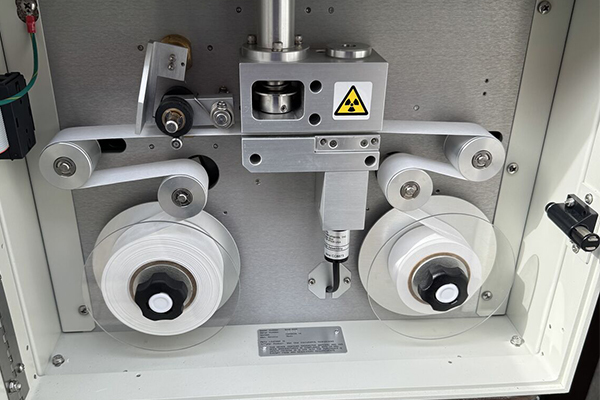
Continuous particulate monitoring systems rely heavily on the integrity and consistency of BAM 1020 filter tape[^1]s. Instrument failure often stems from tape-related issues.
When the filter tape's hydrophobicity or structural integrity is compromised, it can lead to equipment malfunctions[^6]. Common problems include tape jams, inaccurate readings, or system errors in β-ray attenuation or infrared weighing methods.
Dive deeper: Preventing equipment malfunctions[^6]
Faulty filter tapes cause disruptions in continuous particulate monitors by affecting the tape's transit or its ability to collect consistent samples. Regular maintenance and the use of high-quality tapes are essential for preventing these issues. HuaEnv[^8] offers free trial samples to ensure compatibility and reliability for monitoring solutions.
| Issue Type | Cause | Prevention Measures |
|---|---|---|
| Tape Jam | Poor tape quality | Use authentic tapes |
| Measurement Errors | Compromised filtration | Regular equipment checks |
| System Failures | Structural instability | Partner with reliable suppliers |
Conclusion
The BAM 1020 filter tape[^1]'s longevity depends on proper storage, the use of authentic products, and regular equipment maintenance. Reliable monitoring starts with high-quality tape.
[^1]: Understanding the lifespan of BAM 1020 filter tape is crucial for effective particulate monitoring and ensuring data accuracy.
[^2]: Find out how to spot counterfeit filter products to ensure reliable monitoring and data accuracy.
[^3]: Explore the advantages of hydrophobic glass microfiber membranes for enhanced filtration efficiency and performance.
[^4]: Discover how high retention rates improve air quality monitoring accuracy and reliability.
[^5]: Understand why mechanical stability is vital for the performance and longevity of filter tapes.
[^6]: Investigate the common causes of equipment malfunctions to enhance monitoring system reliability.
[^7]: Learn about the detrimental effects of improper storage on filter tape performance and lifespan.
[^8]: Discover HuaEnv's range of products and services to ensure high-quality filter tape solutions.