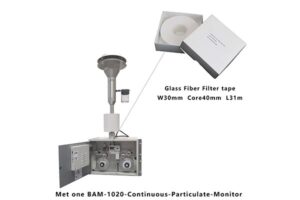

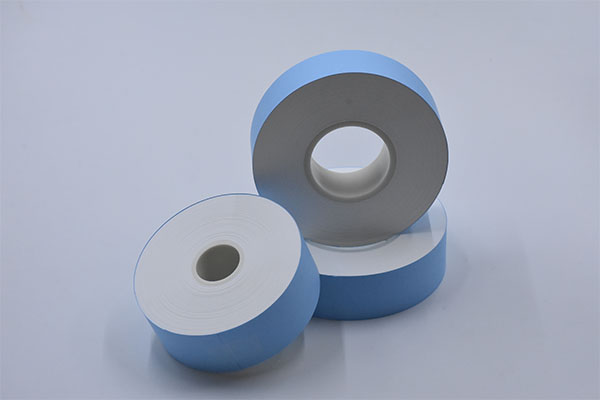
Turning on the BAM 1020 can seem straightforward, but loading its filter tape[^1] can get tricky. Missteps can lead to errors, wasted time, and inaccurate readings.
To load the filter tape[^1] on the Met One BAM1020[^2] correctly, follow these steps: turn on the BAM1020[^2], raise the sample nozzle[^3], position the pinch rollers, and align the tape on the supply and take-up reel[^4]s according to the manufacturer's instructions.
Installing filter tape[^1] on the BAM1020[^2] is all about precision. If you don't align the tape properly or ensure tension is correct, the unit won't operate effectively. Here's a detailed walkthrough to get it right every time.
Why is the BAM1020[^2]'s filter tape[^1] loading so important?
Misloading the filter tape[^1] can cause operational errors, incorrect sample collection, or damage to the machine. It's a step that ensures the BAM1020[^2] functions smoothly and delivers accurate data.
Correct filter tape[^1] loading is essential for accurate air quality measurements. Proper alignment, tensioning[^5], and securing the tape ensure the BAM1020[^2] collects reliable samples without operational errors.
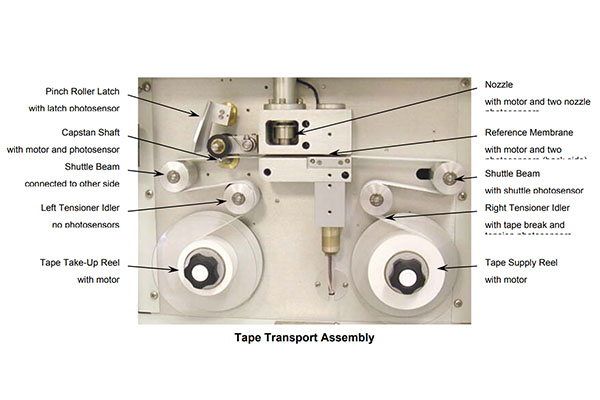
The BAM1020[^2] is sensitive to tape tension and alignment. Improper handling can lead to wasted filter rolls, nozzle misalignment, or inaccurate particle sampling. Each step in the process matters, so let's dive deeper.
How do you raise the sample nozzle[^3] correctly?
Turning on the BAM1020[^2] automatically raises the sample nozzle[^3], but this step is vital to the entire loading process.
To raise the sample nozzle[^3], power on the BAM1020[^2]. The system automatically positions the nozzle in the proper location to begin the loading process.
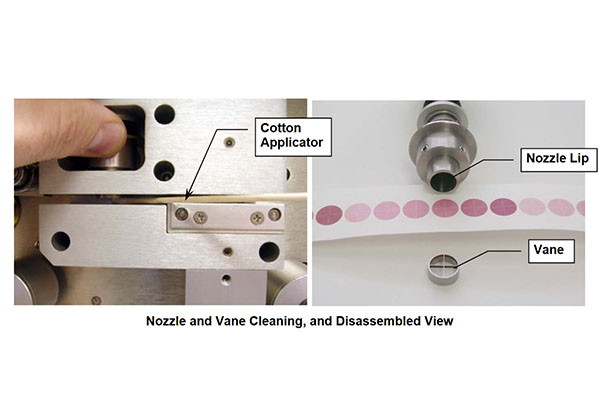
Once the nozzle is raised, ensure the pinch roller assembly is latched in the up position. This step prevents interference during tape loading while offering a clear path for alignment.
How do you set up the take-up reel[^4] and supply reel?
The take-up reel[^4] must have an empty core tube[^6] installed as a surface for the used tape to spool upon. The supply reel should hold the new roll of filter tape[^1] securely.
Start by installing an empty core tube[^6] on the left take-up reel[^4] hub and loading the new roll of filter tape[^1] onto the right supply reel. Secure the loose end of the tape onto the core tube[^6].
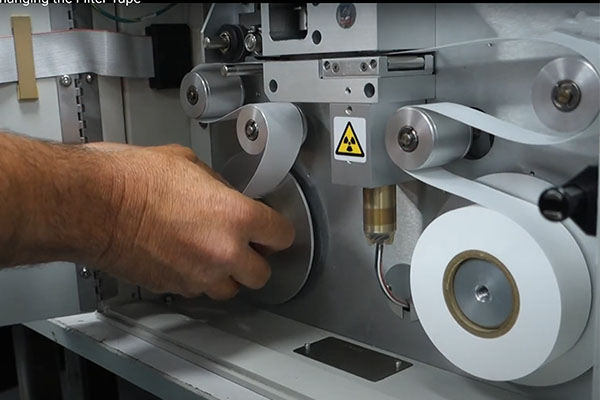
Met One provides a core tube[^6] with the first roll of tape. For subsequent rolls, use the leftover core tube[^6] from the previous roll. Never attach the tape directly to the aluminum hub, as this can create operational issues.
How do you route the filter tape[^1] correctly?
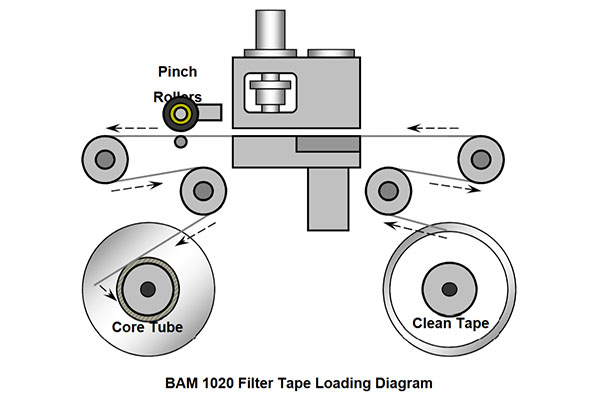
Routing the tape through the transport assembly must follow the manufacturer's diagram, ensuring alignment across all rollers.
To route the tape, follow the diagram provided by Met One. The tape must be centered on all rollers, using score marks (if available) as visual aids for alignment.
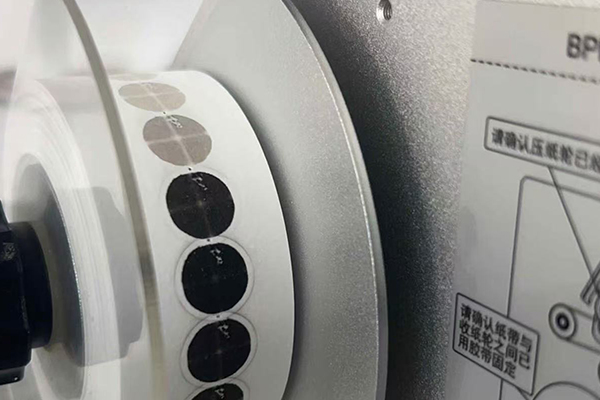
Be sure to remove excess slack before installing the clear plastic reel covers. Tight covers prevent slipping and ensure tape stability during operation.
What role does tensioning[^5] play in the filter tape[^1] setup?
Tensioning ensures the tape runs smoothly and doesn't slip during operation. The BAM1020[^2] has a built-in TENSION menu to automate this process.
Press the TENSION soft-key in the TAPE menu to set the correct tape tension. The BAM1020[^2] alerts you if there's an error in the process. Exit the menu once tensioning[^5] is complete.
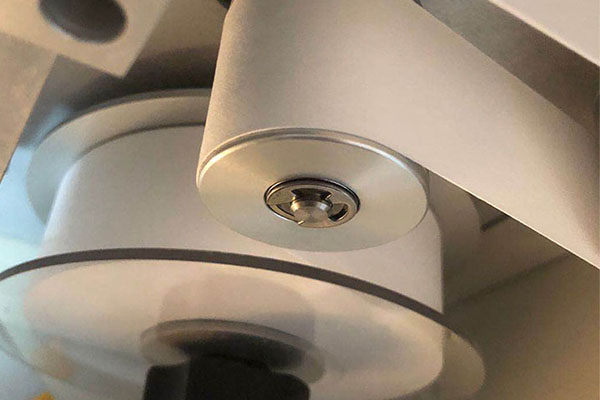
Skipping this step can cause the BAM1020[^2] to malfunction or produce inaccurate data. Ensure the pinch roller assembly is unlatched and lowered onto the tape before tensioning[^5].
Why should you align the filter tape[^1] carefully?
Alignment affects sample collection accuracy. Score marks on newer models help center the tape visually, reducing errors during setup.
Align the filter tape[^1] so it is centered on all rollers. Use the score marks on newer units to assist with precise alignment.
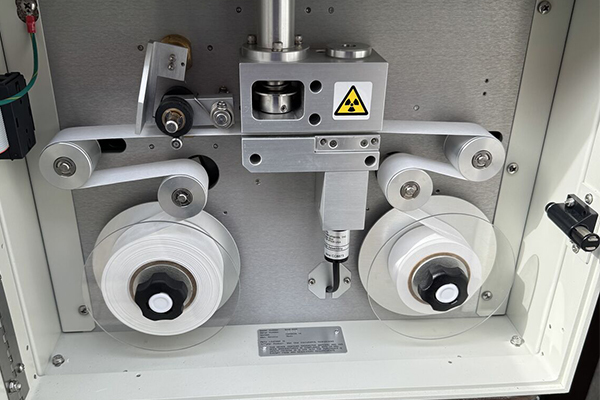
Improper alignment can lead to uneven wear on the tape, operational errors, or inaccurate particle sampling. Always double-check the alignment before finishing the setup.
Conclusion
Loading the Met One BAM1020[^2]'s filter tape[^1] is a critical process that ensures accurate air monitoring. Follow the steps carefully, align the tape properly, and use the tension menu to avoid errors.
[^1]: Learn the best practices for loading filter tape to ensure accurate measurements and prevent operational errors.
[^2]: Explore this link to understand the features and functionalities of the BAM1020, enhancing your knowledge of air quality monitoring.
[^3]: Discover the importance of the sample nozzle in the BAM1020 and how it impacts air quality data collection.
[^4]: Learn about the take-up reel's role in the filter tape system and how it contributes to effective air quality monitoring.
[^5]: Understand the critical role of tensioning in ensuring smooth operation and accurate data collection in air quality monitoring.
[^6]: Discover the function of the core tube in filter tape systems and its importance for proper tape installation.