
Monitoring air quality is essential. With increasing pollution levels, PM2.5 air monitoring[^1] has become crucial. These filters can help ensure cleaner air and a healthier environment.
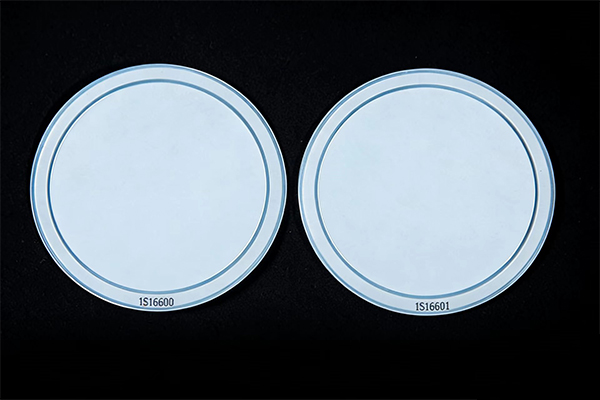
PM2.5 PTFE membrane filters[^2] are designed for ambient air testing, providing high purity and chemically resistant support. They ensure accurate gravimetric analysis[^3] due to their low tare mass.
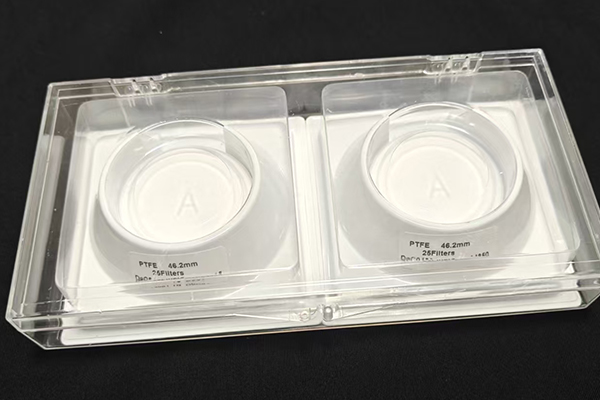
Air quality is a growing concern globally. The need for PM2.5 monitoring is pressing. These filters, with their unique design, offer a reliable solution for comprehensive air quality assessments.
What makes PTFE membrane filters[^2] suitable for PM2.5 air monitoring[^1]?
Air pollution is a major environmental challenge. The importance of monitoring PM2.5 levels cannot be overstated. PTFE membrane filters[^2] stand out in this domain.
PTFE membrane filtration devices are thermally stable, eliminating curling and ensuring the material stays flat. This makes them highly suitable for robotic air sampling and monitoring.
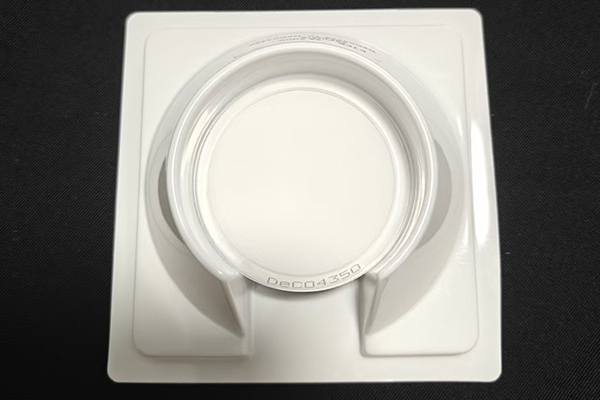
These filters are made with chemically resistant polypropylene support rings[^4]. Their design keeps them flat and robot-friendly. The sequential numbering[^5] aids in organized sampling. Their low tare mass is perfect for precise gravimetric analysis, crucial for accurate results. Let’s delve deeper into the features and benefits of these filters.
How does the thermal stability of PTFE filters enhance performance?
Maintaining filter shape is vital for accurate readings. PTFE filters' thermal stability is a key feature.
Thermally stable PTFE filters prevent curling, ensuring the membrane remains flat. This enhances their compatibility with robotic systems for efficient air sampling.
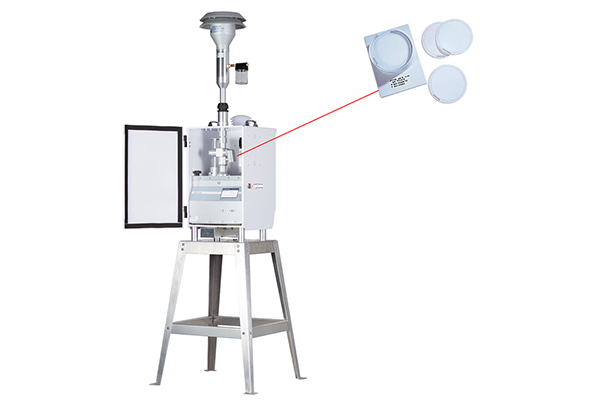
The thermal stability of PTFE filters ensures they withstand varying temperatures without deforming. This stability is crucial for consistent air monitoring. When filters remain flat, it boosts robotic systems' efficiency in handling and processing samples. The polypropylene support rings bolster strength, aiding in long-term use. By eliminating curling, these filters ensure uninterrupted monitoring and accurate readings. Their design streamlines robotic operations, reducing potential errors due to filter deformation.
What role does sequential numbering[^5] play in air sampling?
Organized sampling is essential for data accuracy. Sequential numbering aids this process effectively.
Sequentially numbered filtration devices streamline air sampling processes, ensuring organized and efficient tracking of samples for better data accuracy.
Sequential numbering provides a structured approach to sample collection. It allows for easy identification and tracking of each filter used in air sampling. This organization is vital for ensuring data integrity and reliability in air quality assessments. By numbering each filtration device systematically, users can maintain a clear record of each sample, reducing the chances of data mishandling. This feature enhances the precision and credibility of PM2.5 monitoring results, contributing to effective environmental management.
Conclusion
PTFE membrane filters[^2] are essential for PM2.5 monitoring, offering purity, stability, and precise analysis. They ensure reliable air quality assessments.
[^1]: Understanding PM2.5 air monitoring is crucial for grasping its impact on health and the environment.
[^2]: Explore the advantages of PTFE membrane filters to enhance your knowledge of air quality testing solutions.
[^3]: Gain insights into gravimetric analysis to understand its significance in ensuring reliable air quality assessments.
[^4]: Find out how these support rings contribute to the durability and effectiveness of filtration systems.
[^5]: Discover how sequential numbering enhances data accuracy and organization in air sampling.

