

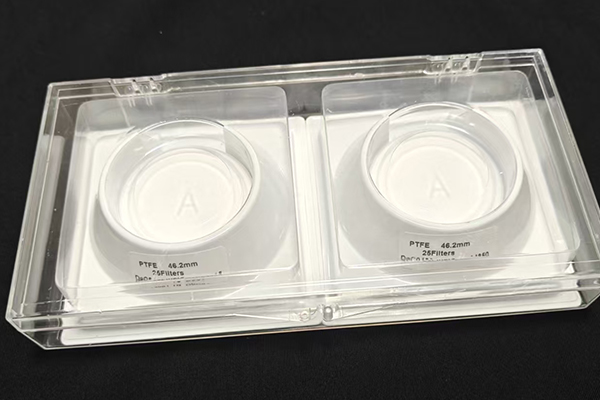
PTFE membranes[^1] offer high chemical resistance[^2] and mechanical strength[^3], essential in air monitoring for PM2.5[^4].
PTFE membranes[^1] are vital in air monitoring due to their chemical resistance[^2], mechanical strength[^3], and ability to filter particles, making them crucial for accurate environmental analysis[^5].
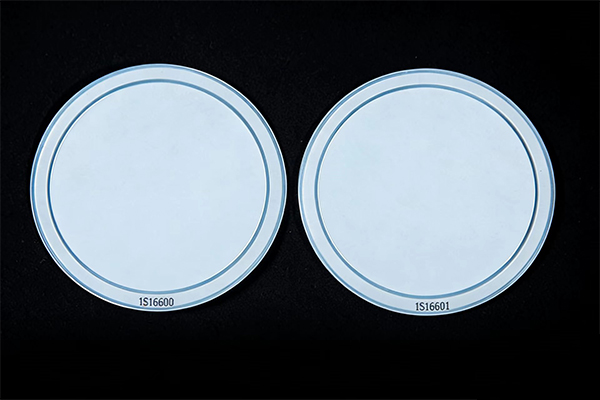
The demand for reliable air monitoring solutions is crucial with rising pollution levels. PTFE membranes[^1] cater to this need, offering robust filtration for harmful particles like PM2.5[^4]. As pollution persists, finding effective methods for air analysis is imperative. PTFE membranes[^1], with their unique properties, are at the forefront of this battle.
Why is PTFE membrane beneficial for particle analysis in air?
PTFE membranes[^1] provide high chemical resistance[^2] and durability, making them ideal for filtering air pollutants like PM2.5[^4].
PTFE membranes[^1] excel in filtering air pollutants due to their chemical resistance[^2] and mechanical strength[^3], ensuring accurate particle analysis for air quality monitoring[^6].
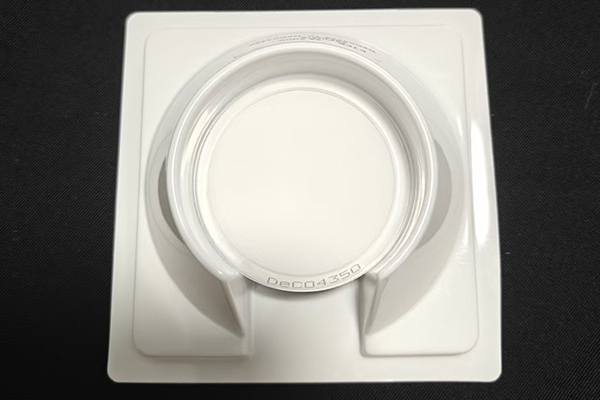
Air pollution remains a pressing issue globally, emphasizing the need for effective monitoring solutions. PTFE membranes[^1], known for their chemical resistance[^2] and mechanical strength[^3], are perfect for tackling this problem. They ensure accurate air quality analysis by filtering PM2.5[^4] particles effectively. Understanding the benefits of PTFE membranes[^1] helps address air pollution challenges.
How do PTFE membranes[^1] contribute to air monitoring efficiency?
PTFE membranes[^1] enhance air monitoring by filtering PM2.5[^4] particles efficiently, supported by their hydrophobic nature and durability.
These membranes improve air monitoring by efficiently filtering PM2.5[^4] particles, thanks to their hydrophobic properties[^7] and robust structure, ensuring reliable results.
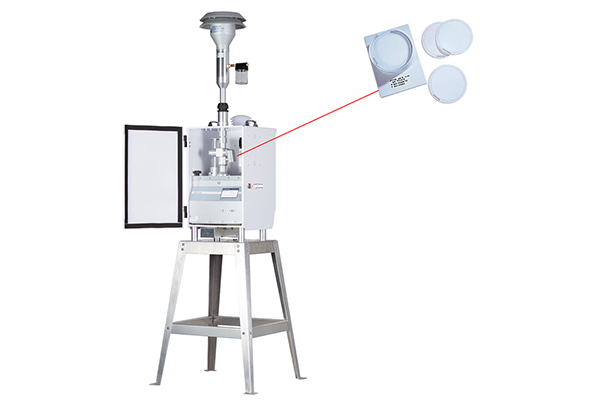
PTFE membranes[^1] are key to efficient air monitoring, offering reliable filtration for PM2.5[^4] particles. Their hydrophobic nature ensures accurate analysis by blocking water aerosols, while their durability withstands harsh environmental conditions. Leveraging PTFE membranes[^1] enhances air monitoring efficiency and helps address pollution challenges effectively.
What makes PTFE membranes[^1] suitable for PM2.5[^4] air monitoring?
PTFE membranes[^1] are suitable for PM2.5[^4] monitoring due to their thermal stability[^8], chemical resistance[^2], and ability to filter particles accurately.
These membranes' thermal stability[^8], chemical resistance[^2], and precise filtration make them ideal for PM2.5[^4] air monitoring and environmental analysis[^5].
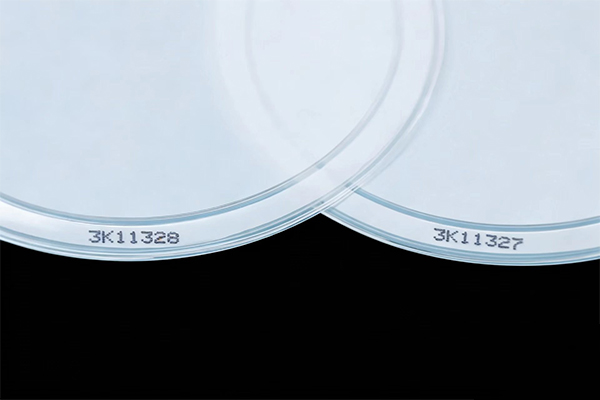
As air pollution continues to threaten our environment, finding reliable solutions for monitoring is crucial. PTFE membranes[^1], with their thermal stability[^8] and chemical resistance[^2], offer effective filtration for PM2.5[^4] particles. Their suitability for air monitoring supports accurate environmental analysis[^5], helping us tackle pollution challenges.
How do PTFE membranes[^1] aid in environmental analysis[^5]?
PTFE membranes[^1] aid environmental analysis[^5] by filtering particles like PM2.5[^4], offering chemical resistance[^2] and durability for accurate air quality assessments.
These membranes filter PM2.5[^4] particles effectively, providing essential chemical resistance[^2] and durability for precise environmental analysis[^5] and air quality monitoring[^6].
Environmental analysis demands reliable solutions for accurate air quality assessments. PTFE membranes[^1], known for their chemical resistance[^2] and durability, provide efficient filtration for PM2.5[^4] particles. By aiding environmental analysis[^5], these membranes help tackle air pollution challenges, ensuring accurate assessments and better air quality monitoring[^6].
Conclusion
PTFE membranes[^1] are essential for accurate air monitoring, offering chemical resistance[^2] and durability for PM2.5[^4] analysis.
[^1]: Explore the unique advantages of PTFE membranes in air monitoring, including their chemical resistance and durability.
[^2]: Understanding chemical resistance can enhance your knowledge of air monitoring technologies and their effectiveness.
[^3]: Learn about the significance of mechanical strength in ensuring reliable air monitoring solutions.
[^4]: Discover the health implications of PM2.5 pollution and why monitoring it is crucial for public health.
[^5]: Discover various techniques used in environmental analysis to improve air quality assessments.
[^6]: Find out the best practices for effective air quality monitoring to ensure accurate assessments.
[^7]: Explore how hydrophobic properties improve filtration efficiency in air monitoring applications.
[^8]: Learn about the importance of thermal stability in ensuring the reliability of air monitoring materials.

