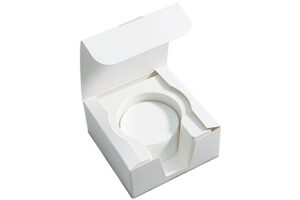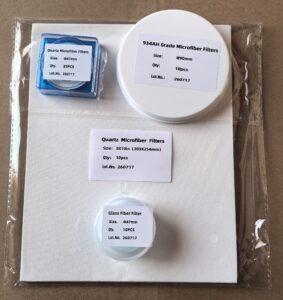


The QMA micro-quartz filters are essential for professionals engaged in environmental monitoring. They ensure reliable particulate collection for PM10 ambient air sampling applications, providing peace of mind for compliance.
The QMA micro-quartz filters are specifically designed for PM10 high volume sampling[^1], ensuring they meet the performance and purity necessary for EPA compliance. This makes them an ideal choice for monitoring programs.
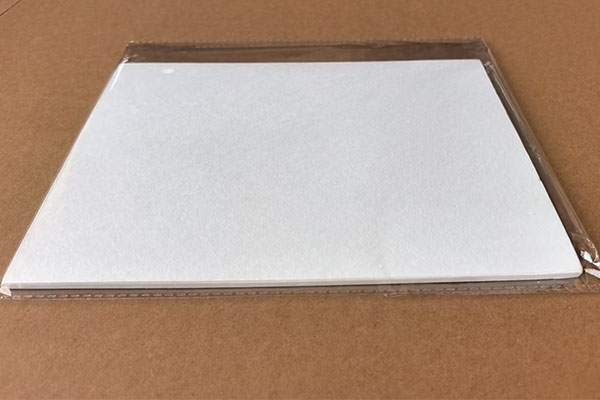
The QMA micro-quartz filters are a reliable solution for anyone involved in environmental testing. If you're looking for filters that offer superior performance, you've come to the right place. Let's explore why these filters stand out in the market.
What Makes QMA Micro-Quartz Filters Unique?
The QMA micro-quartz filters are made from high-purity quartz microfiber. This material is not only strong but also offers remarkable performance in various applications.
These filters measure 8" x 10" and have a minimum particle retention rate of 99.95% for 0.3 µm particles[^2]. This is crucial for accurate air quality monitoring.
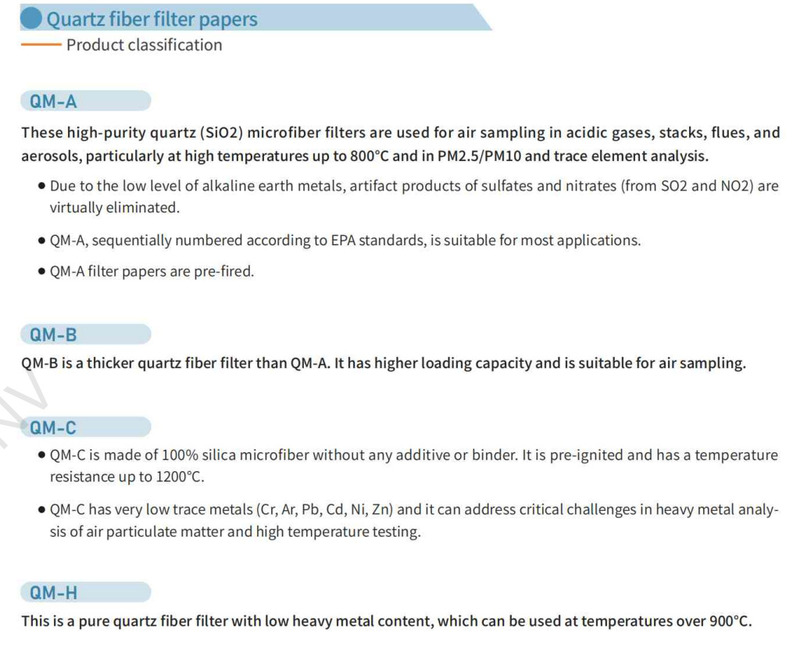
The filters operate effectively at temperatures up to 500°C[^3], which allows for a wide range of applications. Their thickness of 0.45 mm (±15%) provides the durability needed for heavy use. Moreover, they boast a tensile strength of 200 g/15 mm, ensuring they can withstand the rigors of sampling without breaking down.
The combination of these features makes QMA micro-quartz filters a favorite among professionals in environmental monitoring.
How Do QMA Micro-Quartz Filters Support EPA Compliance?
Compliance with EPA standards is a must for many organizations. The QMA micro-quartz filters are specifically designed to meet the requirements laid out in 40 CFR Part 50, Appendixes B and J[^4].
This means they are ideal for PM10 ambient air quality monitoring, ensuring that your measurements are accurate and reliable.
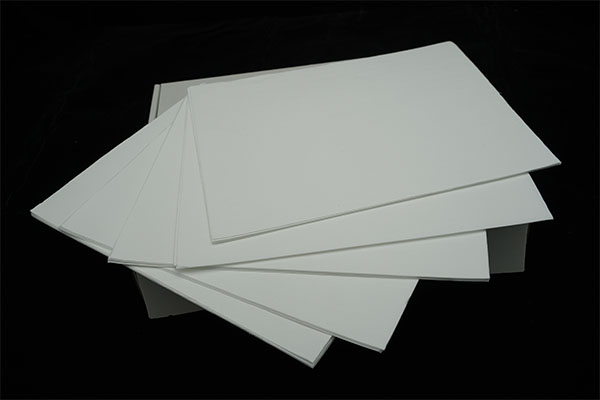
The micro-quartz construction significantly reduces the possibility of "artifact" products from sulfates and nitrates[^5]. This is particularly crucial as such artifacts can skew your results.
Additionally, these filters are excellent for air sampling of acidic gases, stacks, flues, and aerosols. They are also used in heavy metal analysis and source apportionment studies, making them highly versatile for various applications.
What Are the Compatibility and Performance Features of QMA Filters?
The compatibility of QMA filters with different high volume samplers is another advantage. They work seamlessly with Tisch Environmental high volume samplers and other systems designed for 8" x 10" filter media.
QMA filters are sequentially numbered according to EPA standards[^6], which makes them suitable for most applications.
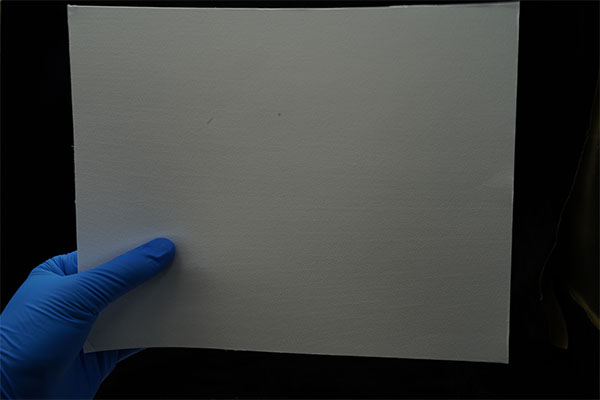
In terms of quality and performance, the high-purity quartz microfiber offers excellent chemical resistance. This is vital for maintaining dimensional stability under various sampling conditions.
Each filter not only meets but also maintains consistent performance characteristics. This consistency is essential for achieving reliable and reproducible results in regulatory monitoring programs.
Conclusion
The QMA micro-quartz filters are an excellent choice for those in need of reliable, EPA-compliant particulate monitoring solutions. Their performance and durability make them a top option in the field.
[^1]: "Appendix J to Part 50, Title 40 -- Reference Method for the ...", https://www.ecfr.gov/current/title-40/chapter-I/subchapter-C/part-50/appendix-Appendix%20J%20to%20Part%2050. EPA's reference methods for particulate matter describe PM10 sampling as collection of particles through a size-selective inlet onto a filter for subsequent gravimetric analysis, supporting the need for filter media appropriate to PM10 high-volume sampling. Evidence role: definition; source type: government. Supports: QMA micro-quartz filters are specifically designed for PM10 high volume sampling.. Scope note: The EPA method establishes sampling requirements but does not by itself verify that a specific QMA product is compliant.
[^2]: "Review of Filters for Air Sampling and Chemical Analysis in ...", https://stacks.cdc.gov/view/cdc/128464/cdc_128464_DS1.pdf. A product technical specification for QMA quartz microfiber filters reports the stated particle-retention value for 0.3 µm particles, supporting the numerical performance claim as a manufacturer specification. Evidence role: statistic; source type: other. Supports: These filters measure 8" x 10" and have a minimum particle retention rate of 99.95% for 0.3 µm particles.. Scope note: This supports the stated specification but is not independent validation of performance under all field sampling conditions.
[^3]: "37mm QM-A Grade Quartz Microfiber Filters, 100/pk", https://www.tisch-env.com/product/te-qma-37-37mm-micro-quartz-filters-100pk. Technical specifications for quartz microfiber filter media commonly list high thermal tolerance, including QMA ratings up to 500°C, supporting the claim about heat resistance as a material specification. Evidence role: general_support; source type: other. Supports: The filters operate effectively at temperatures up to 500°C.. Scope note: The specification indicates allowable temperature exposure for the filter material, not necessarily performance equivalence across every sampling protocol at that temperature.
[^4]: "Appendix B to Part 50, Title 40 -- Reference Method ... - eCFR", https://www.ecfr.gov/current/title-40/chapter-I/subchapter-C/part-50/appendix-Appendix%20B%20to%20Part%2050. 40 CFR Part 50 Appendices B and J set federal reference methods for particulate matter measurement, including high-volume total suspended particulate sampling and PM10 sampling procedures, supporting the regulatory context cited in the article. Evidence role: definition; source type: government. Supports: The QMA micro-quartz filters are specifically designed to meet the requirements laid out in 40 CFR Part 50, Appendixes B and J.. Scope note: The regulation defines methods and requirements; it does not automatically approve every commercially available filter unless the filter meets the applicable method specifications.
[^5]: "Artifact particulate sulfate and nitrate formation on filter media", https://hero.epa.gov/reference/35964/. Studies of aerosol filter sampling discuss chemical artifacts such as volatilization or gas-particle interactions involving nitrate and sulfate species, supporting the article's concern that filter media and sampling conditions can affect measured particulate composition. Evidence role: mechanism; source type: paper. Supports: The micro-quartz construction significantly reduces the possibility of artifact products from sulfates and nitrates.. Scope note: Such literature supports the general artifact mechanism; it may not directly prove the magnitude of artifact reduction for a particular QMA filter model.
[^6]: "Quality Assurance Handbook for Air Pollution ...", https://www.epa.gov/sites/default/files/2020-10/documents/final_handbook_document_1_17.pdf. EPA quality-assurance guidance for ambient air monitoring emphasizes sample identification, chain-of-custody, and traceable filter records, supporting the relevance of sequential numbering for regulatory monitoring documentation. Evidence role: expert_consensus; source type: government. Supports: QMA filters are sequentially numbered according to EPA standards.. Scope note: The guidance supports traceable filter identification practices but may not prescribe the exact numbering format used by a given QMA product.