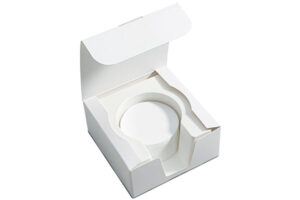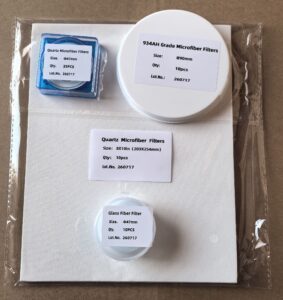


Many industries need reliable air quality monitoring. The TE-EPM2000 glass fiber filters are designed specifically for this purpose. They help ensure compliance with environmental regulations while delivering precision results.
These filters are crucial for accurate total suspended particulate (TSP) monitoring[^1]. Their high purity and binder-free construction make them ideal for regulatory compliance. Each box contains 100 numbered filters for efficient sample tracking.

The TE-EPM2000 filters stand out in the market due to their unique features. They are designed for use in US EPA TSP ambient air monitoring applications. I have seen many clients benefit from their reliable performance. These filters are not only effective, but they also comply with stringent environmental standards. If you're looking for dependable air quality monitoring tools, consider the TE-EPM2000.
Why Are TE-EPM2000 Filters Important for Air Quality Monitoring?
Finding the right filters for air quality monitoring is essential. The TE-EPM2000 filters provide specific benefits that set them apart from other options. Many professionals in environmental monitoring recognize the importance of using the right materials.
These filters meet the strict requirements outlined in 40 CFR Part 50, Appendix B[^2]. They play a critical role in measuring total suspended particulate matter (TSP). This ensures compliance with national air quality standards.

One significant factor is their material properties. The filters are made from 100% micro-fine borosilicate glass fiber. This gives them exceptional chemical resistance and thermal stability[^3]. Unlike other filters, these glass fiber filters do not contain binder materials. This feature ensures high purity and reliable results. Additionally, they maintain consistent performance under varying humidity levels, making them ideal for ambient air monitoring.
When using these filters, it is essential to follow proper sampling protocol. Each filter is pre-numbered for effective tracking and identification[^4]. This feature complies with EPA guidelines, ensuring accurate sample handling. Filters must be weighed before and after use to determine weight gain accurately. Proper attention to detail during the sampling process is vital for obtaining reliable data.
Conclusion
The TE-EPM2000 High Purity Glass Fiber Filters are perfect for TSP monitoring. Their reliability and compliance with regulatory standards make them a top choice for professionals.
[^1]: "Appendix B to Part 50, Title 40 -- Reference Method for the ... - eCFR", https://www.ecfr.gov/current/title-40/chapter-I/subchapter-C/part-50/appendix-Appendix%20B%20to%20Part%2050. The EPA reference method for suspended particulate matter describes TSP monitoring as collection of particles on a filter with subsequent gravimetric mass determination, supporting the connection between filter performance and TSP measurement accuracy. Evidence role: mechanism; source type: government. Supports: These filters are crucial for accurate total suspended particulate (TSP) monitoring.. Scope note: This supports the measurement principle rather than independently verifying the performance of TE-EPM2000 filters specifically. [^2]: "Appendix B to Part 50, Title 40 -- Reference Method for the ... - eCFR", https://www.ecfr.gov/current/title-40/chapter-I/subchapter-C/part-50/appendix-Appendix%20B%20to%20Part%2050. 40 CFR Part 50, Appendix B specifies the reference method and filter-medium requirements for determining suspended particulate matter in ambient air, providing the regulatory context for claims about TSP filter compliance. Evidence role: case_reference; source type: government. Supports: These filters meet the strict requirements outlined in 40 CFR Part 50, Appendix B.. Scope note: The regulation defines requirements; a separate product specification or certificate is needed to prove that TE-EPM2000 filters meet them. [^3]: "Borosilicate glass - Wikipedia", https://en.wikipedia.org/wiki/Borosilicate_glass. Materials references commonly describe borosilicate glass as having high chemical durability and low thermal expansion, which supports the stated resistance and stability of borosilicate glass fiber as a material. Evidence role: general_support; source type: encyclopedia. Supports: The filters' 100% micro-fine borosilicate glass fiber gives them exceptional chemical resistance and thermal stability.. Scope note: This is material-level evidence and does not measure the performance of the finished TE-EPM2000 filter under all sampling conditions. [^4]: "Quality Assurance Handbook for Air Pollution ...", https://nepis.epa.gov/Exe/ZyPURL.cgi?Dockey=P100R631.TXT. EPA ambient-air monitoring quality-assurance guidance emphasizes documented sample identification, custody, and handling records, supporting the role of unique filter numbering in traceable particulate sampling workflows. Evidence role: expert_consensus; source type: government. Supports: Each filter is pre-numbered for effective tracking and identification, supporting accurate sample handling.. Scope note: The guidance supports traceability practices generally, not the claim that every TE-EPM2000 box contains numbered filters.