
Struggling with finding the right filtration method for your specific needs? Learn how [glass microfiber thimbles](https://huaenv.com/what
-is-the-use-of-a-thimble-in-soxhlet-extraction/)[^1] can be a game-changer for various industries.
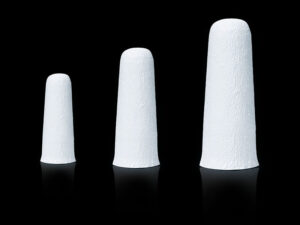
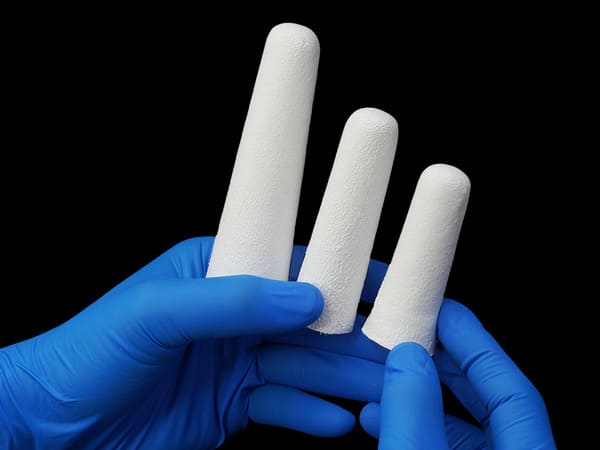
Glass microfiber thimbles are filter devices made from glass fibers, renowned for their exceptional filtration capabilities. They are commonly used in environmental monitoring[^2] and food industry applications due to their efficiency in capturing fine particles and contaminants.
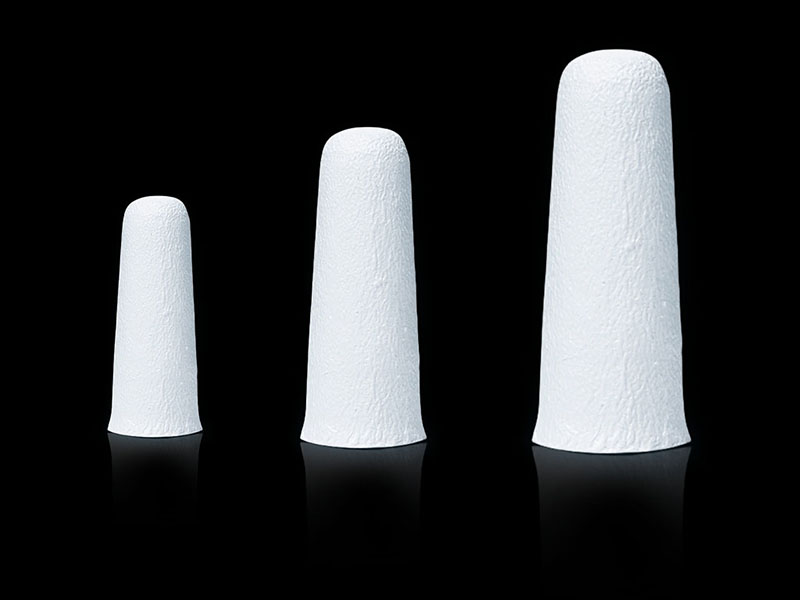
These thimbles are crucial for accurate analysis across multiple sectors. Their unique composition makes them highly effective in demanding conditions, providing reliable results in environmental and industrial applications.
Why are glass microfiber thimbles[^1] important in environmental monitoring[^2]?
Imagine the impact of undetected pollutants in our air and soil. This is where glass microfiber thimbles[^1] step in, offering precision in monitoring and analysis tasks.
Glass microfiber thimbles are essential in environmental monitoring[^2] because they efficiently capture fine particles from emissions, soil, and other environmental samples. They are ideal for analyzing pollutants, such as dust from smokestack emissions and contaminants in soil.

The high-temperature resistance of these thimbles allows them to withstand extreme conditions. They filter out particles without interfering with the chemical composition of the sample, ensuring the accuracy of analytical results. Their fine structure captures particles as small as 1 micron, making them ideal for detailed environmental analysis.
How do glass microfiber thimbles[^1] improve food industry analysis[^3]?
Ensuring food safety is crucial. Glass microfiber thimbles play a vital role in testing for contaminants and ensuring the integrity of food products.
In the food industry, glass microfiber thimbles[^1] are used to detect oil and fat content and analyze residues in food samples. They help maintain quality by filtering out unwanted particles, allowing for accurate testing and analysis.
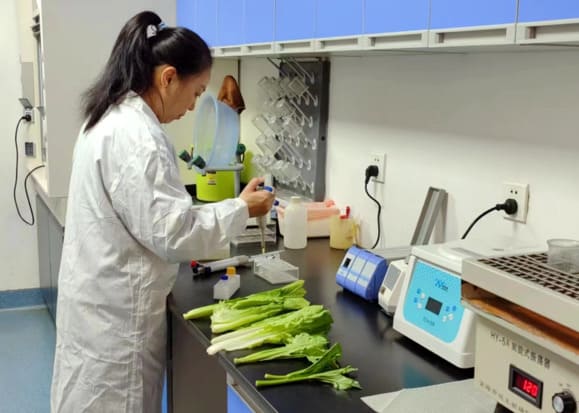
These thimbles are particularly valuable in gravimetric analysis[^4], where precise weighing is necessary. The thimbles' composition prevents loss of sample during the process, providing reliable results. Their compatibility with various solvents and resistance to moisture and heat further enhances their utility in food analysis.
How are glass microfiber thimbles[^1] used in soil and pesticide analysis?
Protecting our soil and ensuring agricultural safety is imperative. Glass microfiber thimbles aid in detecting pollutants and pesticide residues effectively.
Glass microfiber thimbles are used in soil pollution analysis[^5] and pesticide residue detection[^6] due to their ability to capture fine particles and retain them during analysis. This ensures accurate measurement of contaminants.

Their robust construction allows them to handle various chemical treatments needed for analysis without degradation. This makes them ideal for use in laboratory settings where precise measurement is critical. They ensure the integrity of the sample, providing confidence in the analytical results.
Conclusion
Glass microfiber thimbles offer reliable filtration for environmental monitoring[^2] and industrial applications, ensuring accurate analysis and quality control across sectors.
[^1]: Explore the advantages of glass microfiber thimbles for efficient filtration in various industries.
[^2]: Learn how these thimbles enhance environmental monitoring and ensure accurate pollutant detection.
[^3]: Discover the role of glass microfiber thimbles in ensuring food safety and quality control.
[^4]: Learn about gravimetric analysis and how these thimbles enhance precision in testing.
[^5]: Find out how these thimbles help in detecting soil pollutants and ensuring agricultural safety.
[^6]: Understand the importance of these thimbles in accurately measuring pesticide residues.