当然,请参考以下已替换最后一张图片链接后的文章内容:
When it comes to laboratory filtration, selecting the right filter can be a challenge. With so many choices available, it’s easy to feel overwhelmed. Each filter type serves a specific purpose, and choosing the wrong one could compromise your results.
Grade 934-AH glass microfiber filter discs with a 1.5 μm pore size[^1] are primarily used for applications like water and air pollution monitoring, cell harvesting, and liquid scintillation counting[^2]. Their key features include high retention efficiency and flow rates, making them ideal for large-volume liquid filtration processes.

These filters offer a powerful combination of high retention and high flow rates, making them essential for tasks requiring reliable and efficient filtration performance. Still, this is just the beginning of what these filters can do. Let’s dive deeper into their features, applications, and benefits to see why they are so highly regarded.
What are the unique features of Grade 934-AH filters?
Laboratory filtration requires precision and reliability. You cannot afford inconsistencies when dealing with serious applications like pollution monitoring or cell harvesting. That’s where Grade 934-AH filters shine.
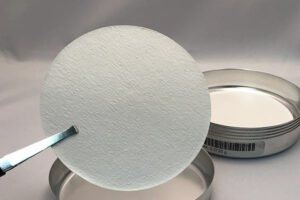
Grade 934-AH filters are made from borosilicate glass microfiber, which is binder-free[^3], has high retention efficiency, a nominal pore size of 1.5 μm, and withstands temperatures up to 550°C[^4], making them highly versatile for laboratory applications.

These filters have a smooth surface, which helps recover precipitates efficiently. Their high loading capacity ensures they can process turbid solutions effectively, even for large-volume filtration. Their hydrophilic nature makes them suitable for water-based solutions[^5], ensuring efficient and consistent filtration throughout the process. And because they are binder-free, they avoid introducing binders that could interfere with analytical results.
What are the primary applications of Grade 934-AH filters?
The versatility of Grade 934-AH filters makes them a popular choice across various industries. Whether you’re monitoring pollution levels or conducting complex laboratory experiments, these filters can be relied upon.
Grade 934-AH filters are commonly used for water pollution monitoring, air pollution monitoring, cell harvesting, and liquid scintillation counting. Their high efficiency in filtering suspended solids makes them ideal for industrial and environmental applications.
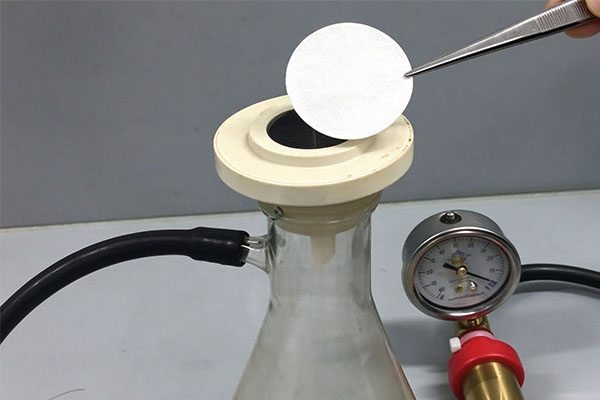
In water pollution monitoring, these filters help measure Total Suspended Solids (TSS), Total Dissolved Solids (TDS), and Total Suspended Volatiles (VSS). In air pollution monitoring, their high temperature tolerance ensures they can efficiently capture particulate matter like PM10 and TSP[^6]. For cell harvesting applications, their smooth surface aids in the recovery of valuable biological material, while liquid scintillation counting benefits from their ability to retain specific particles effectively without contamination.
How does HuaEnv compare to Whatman in glass microfiber filters?
Whatman is widely recognized as a leader in laboratory filtration solutions, but high costs and limited options often leave customers searching for alternatives. Enter HuaEnv, a trusted Chinese manufacturer that produces glass microfiber filters with comparable quality.
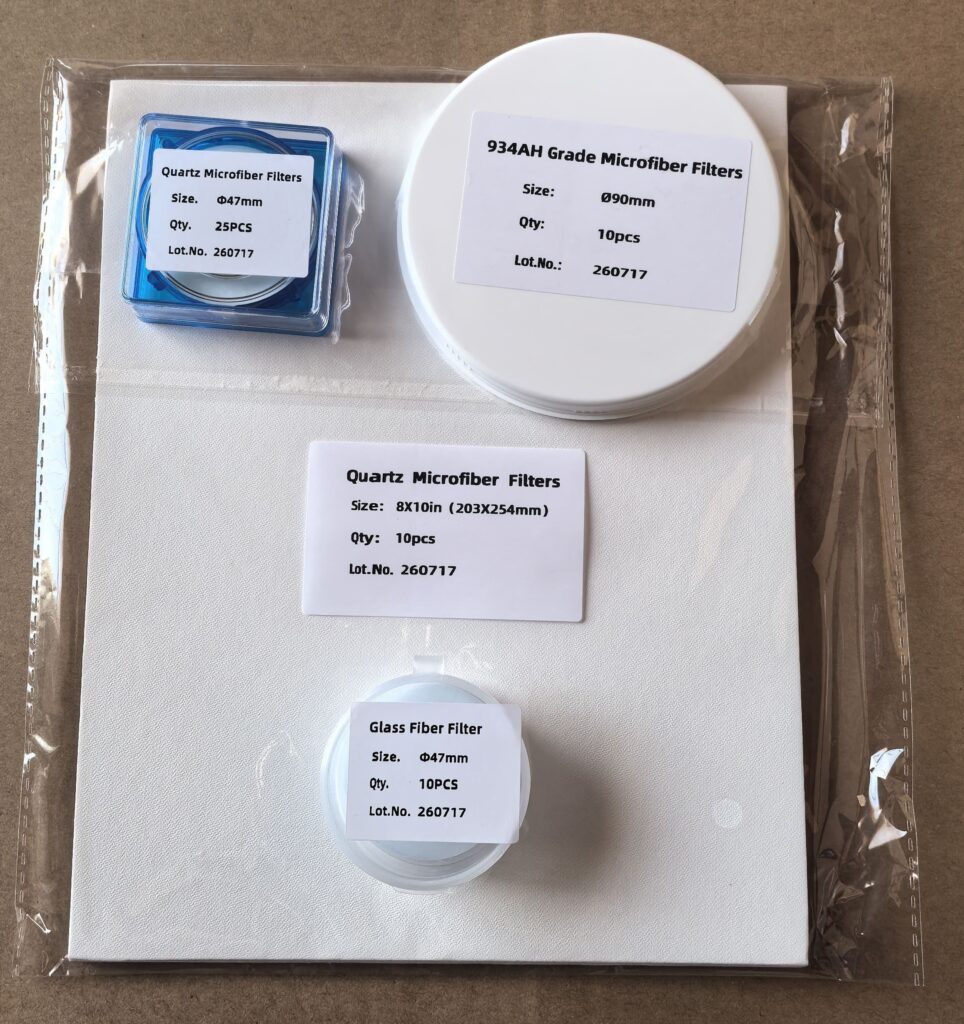
HuaEnv offers binder-free glass microfiber filters, such as GF/A, GF/B, GF/C, GF/D, GF/F, 934-AH, and EPM2001, which rival Whatman’s products in quality and functionality but provide better value through competitive pricing and customization options.
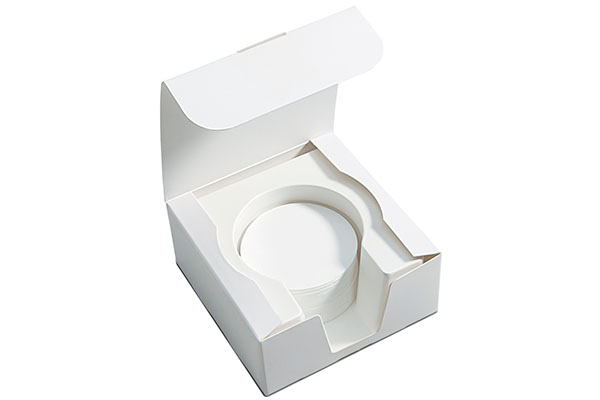
With over 15 years of manufacturing experience, HuaEnv supplies filters meeting rigorous ISO standards. Their filters are designed to match the high-quality performance of Whatman’s products, offering precise pore sizes, consistent filtration efficacy, and low fiber shedding. The added benefit? HuaEnv’s filters come in customizable sizes and specifications, making them ideal for specialized applications. Distributors and labs seeking OEM and ODM solutions will find HuaEnv’s flexibility particularly advantageous.
Why choose HuaEnv glass microfiber filters as an alternative?
If you’re looking to reduce costs without sacrificing quality or performance, HuaEnv’s filters are worth considering. As an OEM and ODM manufacturer, HuaEnv delivers reliable solutions tailored to your exact needs.
HuaEnv filters ensure consistent results, offer flexibility with customized options, comply with international standards, and provide cost-effective solutions for laboratories requiring high volumes of filtration consumables.
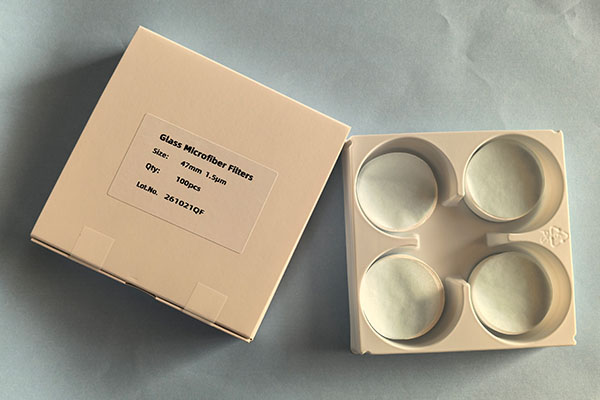
Beyond their affordability, HuaEnv’s filters maintain high purity and stable filtration performance, ensuring that your experiments and monitoring efforts remain reliable. Whether it’s for environmental monitoring, life sciences, food and beverage industries, or other specialized fields, HuaEnv provides robust solutions. Additionally, their customer-focused approach includes free samples and technical support for product selection and application guidance.
Conclusion
Grade 934-AH filters are indispensable tools for pollution monitoring, cell harvesting, and more. With HuaEnv, you can achieve similar quality and performance to leading brands like Whatman, while optimizing costs and customizing solutions for your lab’s needs.
[^1]: "Whatman glass microfiber filters, Grade 934-AH circles ...", https://www.sigmaaldrich.com/PT/en/product/aldrich/wha1827047?srsltid=AU7gw4Usk6vzE9rdwfzxH5aAepb0WL144LtxBuvLlkcoHNXBND6DljV3. An official Grade 934-AH technical data sheet lists the filter grade’s nominal particle retention or pore-size rating as 1.5 μm; this supports the specification but does not independently validate performance in all laboratory matrices. Evidence role: definition; source type: other. Supports: Grade 934-AH glass microfiber filter discs have a nominal pore size or particle retention rating of 1.5 μm.. Scope note: Product-specific specifications are usually documented by manufacturers rather than neutral institutions.
[^2]: "LIQUID SCINTILLATION ANALYSIS", https://hwbdocs.env.nm.gov/Los%20Alamos%20National%20Labs/References/9489.PDF. Technical product literature for Grade 934-AH describes its use in environmental monitoring, cell harvesting, and scintillation-related filtration; this supports the listed application areas but is contextual rather than proof of suitability for every protocol. Evidence role: general_support; source type: other. Supports: Grade 934-AH filters are used in water and air pollution monitoring, cell harvesting, and liquid scintillation counting.. Scope note: Application lists in product literature indicate intended uses, not universal validation across all methods.
[^3]: "Whatman filtration Product guide", https://macro.lsu.edu/HowTo/Whatman-filtration-product-guide.pdf. Analytical filtration references note that binder-free glass fiber filters reduce the risk of extractable binder materials contributing to sample contamination; this supports the contamination rationale, but actual interference depends on the analyte and method. Evidence role: mechanism; source type: research. Supports: Binder-free filters can reduce the risk of binder-derived interference in analytical results.. Scope note: The support is general unless a source directly compares binder-free and binder-containing filters for the article’s specific assays.
[^4]: "Whatman Grade 934-AH Glass Microfiber Filters, Binder Free", https://www.poly.my/product/whatman-grade-934-ah-glass-microfiber-filters-binder-free/. A Grade 934-AH product specification states a maximum operating or ignition temperature of 550°C for the glass microfiber medium; this supports the stated thermal tolerance, subject to the conditions specified by the source. Evidence role: definition; source type: other. Supports: Grade 934-AH filters can withstand temperatures up to 550°C.. Scope note: Temperature tolerance may depend on test conditions, holder materials, and whether the filter is used dry or wet.
[^5]: "Separation Principles and Strategies for an Oil–Water ... - PMC", https://pmc.ncbi.nlm.nih.gov/articles/PMC12388256/. Filtration science sources define hydrophilic membranes or media as readily wettable by water, which supports their suitability for aqueous filtration; this is general support and not a direct validation of a particular Grade 934-AH lot. Evidence role: mechanism; source type: education. Supports: Hydrophilic filter media are suitable for water-based solutions because they wet readily with water.. Scope note: The evidence explains the hydrophilicity mechanism rather than documenting product-specific performance.
[^6]: "METHOD 201A—DETERMINATION OF PM10 AND PM2.5 ...", https://www.epa.gov/sites/default/files/2019-08/documents/method_201a_0.pdf. Air-monitoring methods from environmental agencies describe collecting PM10 or total suspended particulate matter on filter media for gravimetric analysis; this supports the use of filters for particulate capture, though specific filter grade selection depends on the method. Evidence role: case_reference; source type: government. Supports: Filter media are used in air pollution monitoring to collect PM10 and total suspended particulate matter.. Scope note: Government methods may not specify Grade 934-AH for all PM10 or TSP applications.