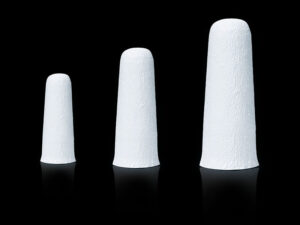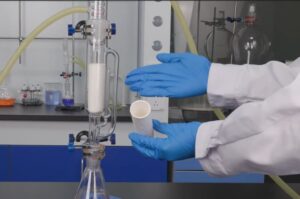

The Soxhlet extraction thimble[^1] is vital in quick and flexible extraction systems. It ensures accurate fat content analysis[^2] in food and feed.
The extraction thimble must be robust, chemically inert, and able to retain small particles effectively. It's crucial for reliable fat content determination in food and feed through solid/liquid extraction[^3].

In the world of analytical laboratories, the Soxhlet extraction system is celebrated for its versatility. Its primary purpose is to measure fat content in food and feed, and it also plays a crucial role in preparing samples for residue and environmental analysis. The key component in this extraction process is the extraction thimble. Its quality directly impacts the accuracy and efficiency of the extraction.
Why Is the Extraction Thimble Crucial in Soxhlet Extraction?
The extraction thimble is at the heart of the Soxhlet extraction process. Ensuring its quality is paramount.
A high-quality extraction thimble must be made of durable, inert materials that can withstand solvents. It should effectively filter out small particles, ensuring precise extraction results.
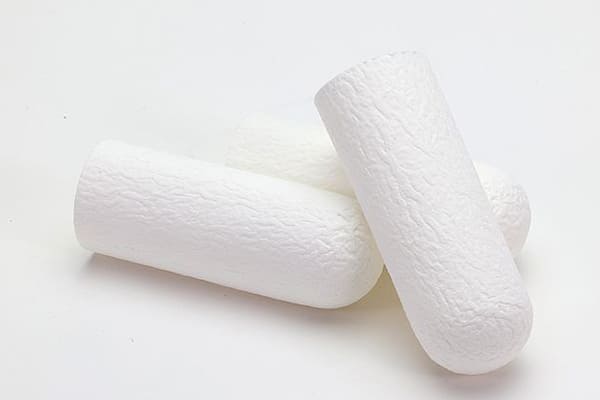
The extraction thimble serves as a filter in the Soxhlet apparatus, allowing the solvent to pass through while retaining the solid sample. This process facilitates the efficient extraction of fats from the sample, which is essential for accurate analysis. To achieve this, the thimble must be made of materials like cellulose, glass fiber, or quartz, which are resistant to chemical reactions. Additionally, its construction should ensure that it retains fine particles while allowing the solvent to flow freely, maintaining the integrity of the extraction process.
How Does the Material of Extraction Thimbles Affect Soxhlet Extraction?
Material selection is critical for extraction thimbles. The right choice ensures both durability and chemical resistance[^4].
Extraction thimbles made from cellulose, glass fiber, or quartz are preferred. They offer the necessary strength and resistance to solvents used in Soxhlet extraction.
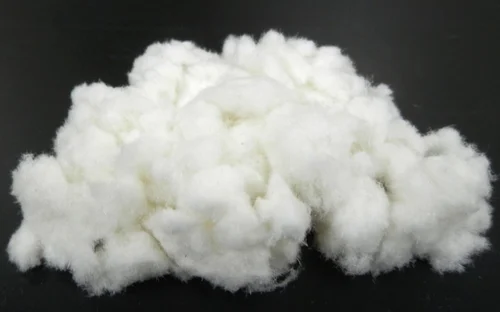
When selecting an extraction thimble, the material's durability and resistance to chemical interactions must be considered. Cellulose thimbles are often used for general applications due to their affordability and effectiveness. However, for more demanding or sensitive applications, glass fiber or quartz thimbles are preferred. These materials provide superior chemical resistance[^4] and can withstand higher temperatures, ensuring the thimble does not degrade or react with the solvent. The material choice directly impacts the extraction's accuracy and the longevity of the thimble.
What Are the Considerations for Thimble Size in Soxhlet Extraction?
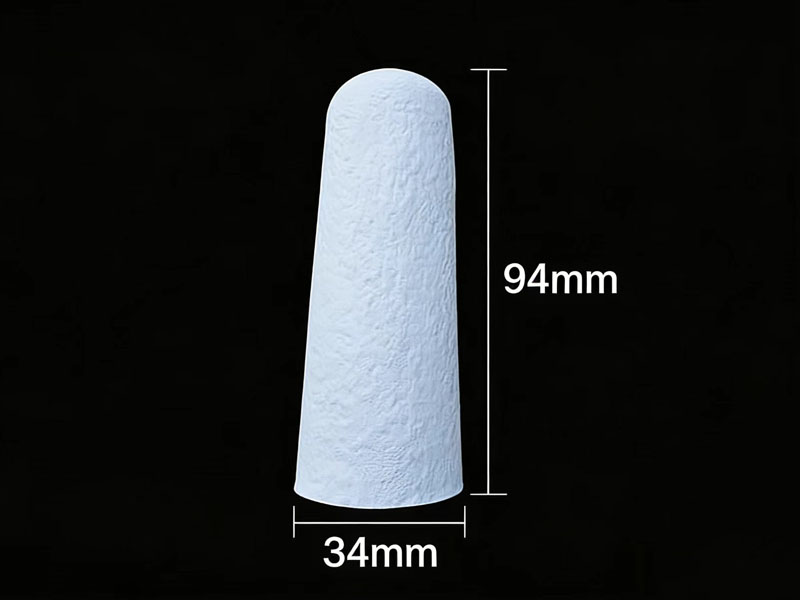
Thimble size determines the sample load and affects the efficiency of the extraction process.
Choosing the correct thimble size[^5] is vital. It should accommodate the sample size while allowing optimal solvent flow for effective extraction.
Selecting the right thimble size[^5] is essential for ensuring the efficiency of the Soxhlet extraction. A thimble that is too small may not hold the entire sample, leading to incomplete extraction. Conversely, a thimble that is too large might slow down the solvent flow, prolonging the extraction process and potentially affecting the results. It is crucial to choose a thimble size[^5] that matches the sample volume while maintaining efficient solvent circulation for optimal extraction performance.
Conclusion
The extraction thimble is crucial in Soxhlet extraction, impacting accuracy and efficiency. Choose wisely for reliable results.
[^1]: Understanding the Soxhlet extraction thimble is essential for accurate fat content analysis in food and feed.
[^2]: Explore methods of fat content analysis to enhance your knowledge of food quality assessment.
[^3]: Learn about solid/liquid extraction techniques to improve your analytical skills in laboratories.
[^4]: Discover the significance of chemical resistance in ensuring accurate and reliable extraction results.
[^5]: Understanding thimble size can optimize your extraction process for better results.