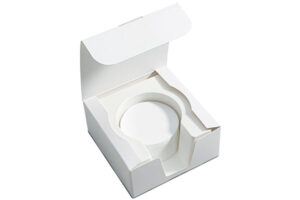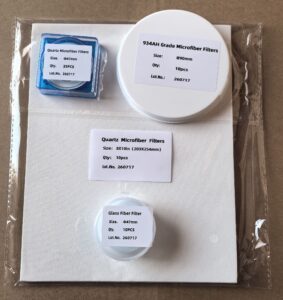

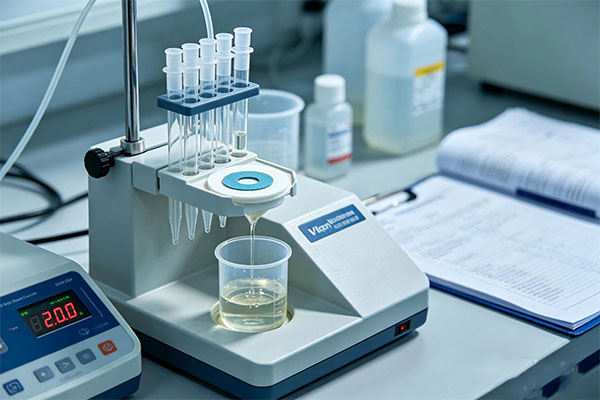
Filtration plays a vital role across numerous industries and research fields, ensuring the purity and reliability of applications. But what exactly are the key uses of filtration?
Filtration is used for processes like water sample purification, air particulate collection, pre-filtration, solution clarification, high-temperature filtration, and environmental analysis[^1]. These applications ensure contaminants are removed, materials are clarified, and data integrity is preserved.
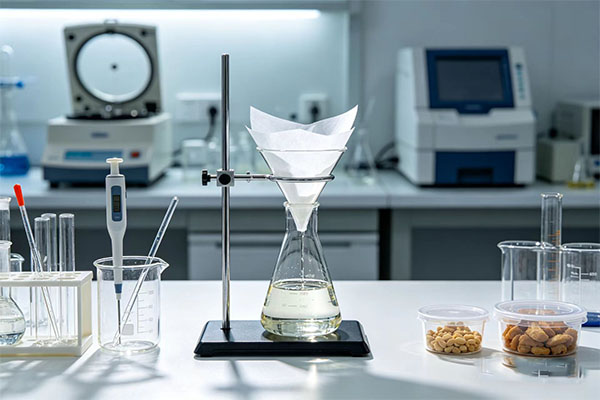
From maintaining the quality of water to analyzing environmental pollutants, the scope of filtration is vast. Let's dive deeper into its uses and uncover how each application impacts industries and research.
How does filtration help in water sample purification?
Water sample filtration is essential for removing impurities and ensuring accurate water quality testing[^2]. This process involves separating suspended solids and contaminants from water samples.
Filtration in water sample purification involves trapping impurities such as particulates and suspended solids[^3], ensuring accurate water quality testing for surface water, wastewater, and other analyses.
In laboratories, filters made from materials like glass fiber are used to retain particles while allowing water to pass through[^4]. Glass fiber filters, such as GF/A and GF/C, are particularly effective for retaining fine particles without compromising flow rate. These filters are used not only in environmental monitoring but also in industries that require precise water quality assessments. The process ensures contaminants don't interfere with analytical results, making it a critical step in water quality evaluations.
What is the role of filtration in air particulate collection?
Air particulate collection is crucial for monitoring and analyzing air quality, especially in urban and industrial areas where particulate matter levels are high.
Filtration in air particulate collection enables the monitoring of atmospheric particles like dust, PM10, and PM2.5[^5], aiding in pollution control and health impact assessments[^6].
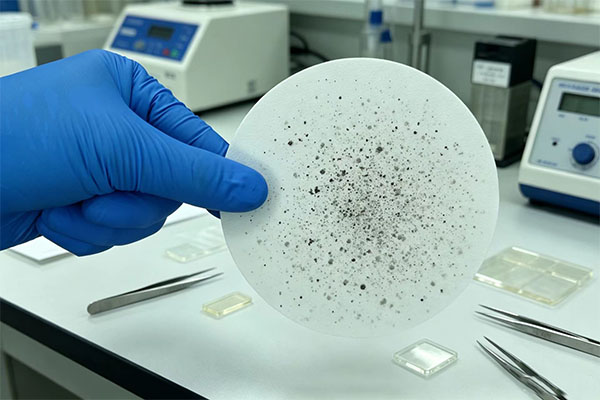
Filters like glass fiber and quartz fiber are used to capture airborne particles. For instance, GF/A filters are excellent for PM2.5 sampling, while quartz filters work effectively for high-temperature applications like combustion smoke analysis[^7]. These filters ensure precise data collection by capturing even the smallest particles, helping identify sources of pollution and enabling regulatory compliance. By implementing effective filtration, cities and industries can better understand and manage air pollution impacts.
Why is pre-filtration important in various processes?
Pre-filtration acts as the first line of defense in many filtration systems, extending the lifespan of primary filters and protecting equipment.
Pre-filtration intercepts large particles and impurities, reducing the load on fine filters and enhancing the efficiency and longevity of the filtration system[^8].
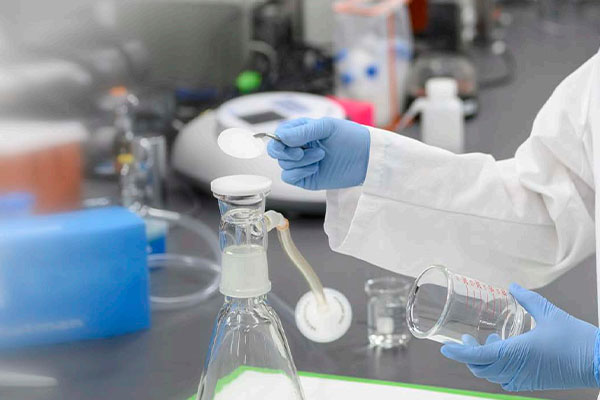
This process is common in both industrial and laboratory setups. Glass fiber filters, such as GF/D, are commonly used for pre-filtration. They efficiently capture larger debris without clogging the primary filters. Pre-filtration is especially important in processes involving high volumes of liquid or air, as it reduces maintenance needs and ensures smoother operations[^9]. Industries like pharmaceuticals, food and beverage, and environmental testing rely on this step to maintain operational integrity.
How does filtration contribute to solution clarification?
Solution clarification ensures that liquids are free from suspended particulates, yielding clear results for both experimental and industrial applications.
Solution clarification removes suspended solids from liquids, producing clear solutions[^10] for chemical, laboratory, and industrial processes.
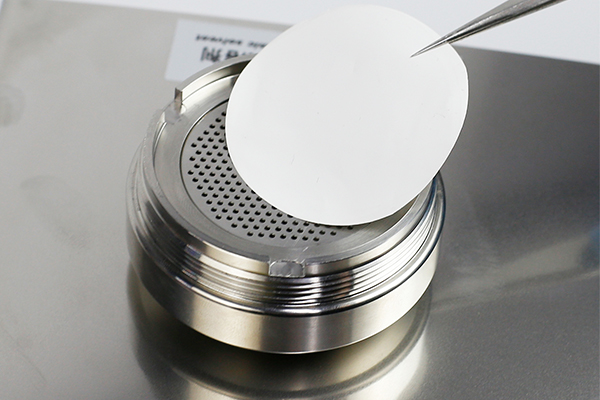
Whether it's lab reagents, chemical solutions, or beverages, clarity plays a vital role. Glass fiber filters, like GF/F, are widely used for their fine filtration capabilities. These filters are capable of handling high flow rates while ensuring precise filtration. For instance, in analytical chemistry, solution clarification is a critical step before chromatography to prevent instrument contamination[^11]. By using appropriate filters, industries ensure consistency, quality, and accuracy in their processes.
What makes high-temperature filtration unique?
Certain processes require filtration of materials at elevated temperatures, which demands specialized filters capable of withstanding such conditions.
High-temperature filtration involves using heat-resistant materials like glass fiber filters[^12] to separate impurities from fluids in extreme temperature environments.
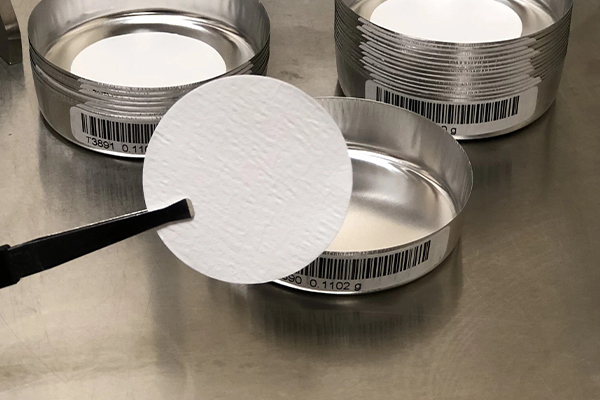
Glass fiber filters excel in this area due to their ability to withstand high temperatures without degrading. They are often used in industrial processes like gas purification, high-temperature fluid filtration, and emissions testing. For example, GF/A and EPM2000 filters are commonly employed in applications where durability and precision are imperative. These filters ensure stable performance and maintain structural integrity, even under challenging conditions, making them invaluable in industries like energy and chemical processing.
Why is filtration critical for environmental analysis?
Environmental studies rely on filtration to separate and quantify pollutants in water, air, and soil samples. This is vital for understanding and mitigating environmental impacts.
Filtration supports environmental analysis by isolating and measuring contaminants in water, air, and soil, enabling accurate pollution monitoring and compliance with regulations.
Filtration is indispensable in environmental monitoring programs. For water samples, filters like GF/C are used for suspended solid measurements, while for air quality, quartz filters are employed for analyzing particulate matter. These processes provide critical data for identifying pollution sources, evaluating health risks, and formulating policies. By utilizing high-quality filters, laboratories can ensure that their findings are both accurate and reliable.
Conclusion
Filtration serves as a cornerstone in diverse fields, ensuring purity, efficiency, and reliability. From water purification to environmental analysis, its uses are vast and indispensable.
[^1]: "Filtration - Wikipedia", https://en.wikipedia.org/wiki/Filtration. A general filtration reference defines filtration as separation of solids from fluids by a porous medium and describes common liquid, gas, laboratory, and industrial uses, supporting this list as representative rather than exhaustive. Evidence role: definition; source type: encyclopedia. Supports: Filtration is used for processes like water sample purification, air particulate collection, pre-filtration, solution clarification, high-temperature filtration, and environmental analysis.. Scope note: The source would provide contextual support for the range of applications, not direct proof that each listed use is equally common.
[^2]: "Methods of analysis by the U.S. Geological Survey National Water ...", https://www.usgs.gov/publications/methods-analysis-us-geological-survey-national-water-quality-laboratory-31. USGS water-quality sampling guidance describes filtration as a sample-processing step used to separate particulate material from water before chemical analysis, supporting the claim that filtration can improve the interpretability of water-quality measurements. Evidence role: general_support; source type: government. Supports: Water sample filtration is essential for removing impurities and ensuring accurate water quality testing.. Scope note: The guidance supports filtration for specified analytes and study designs, not as a universal requirement for all water-quality tests.
[^3]: "[PDF] TOTAL SUSPENDED SOLIDS (TSS) EPA Method 160.2 ...", https://19january2017snapshot.epa.gov/sites/production/files/2015-06/documents/160_2.pdf. EPA methods for total suspended solids describe retaining suspended material from a water sample on a filter before measurement, supporting the mechanism that filtration traps particulate and suspended matter. Evidence role: mechanism; source type: government. Supports: Filtration in water sample purification involves trapping impurities such as particulates and suspended solids.. Scope note: The method specifically supports suspended-solids measurement and does not cover every possible water contaminant.
[^4]: "[PDF] Method IO-3.1 - Selection, Preparation and Extraction of Filter Material", https://www.epa.gov/sites/default/files/2019-11/documents/mthd-3-1.pdf. Standard suspended-solids procedures specify filtering a measured water sample through a glass-fiber filter and measuring the material retained, supporting the use of glass-fiber media to retain particles while the filtrate passes through. Evidence role: mechanism; source type: government. Supports: In laboratories, filters made from materials like glass fiber are used to retain particles while allowing water to pass through.. Scope note: The support is strongest for suspended-solids and particulate-retention analyses, not for all laboratory filtration tasks.
[^5]: "[PDF] METHOD 201A—DETERMINATION OF PM10 AND PM2.5 ... - EPA", https://www.epa.gov/sites/default/files/2019-08/documents/method_201a_0.pdf. EPA ambient air monitoring documentation defines PM10 and PM2.5 and describes filter-based sampling methods for collecting particulate matter, supporting the use of filtration in monitoring atmospheric particles. Evidence role: definition; source type: government. Supports: Filtration in air particulate collection enables the monitoring of atmospheric particles like dust, PM10, and PM2.5.. Scope note: The source would support regulated particulate monitoring methods, not all possible dust-sampling contexts.
[^6]: "WHO global air quality guidelines: particulate matter (PM2.5 and ...", https://www.who.int/publications/i/item/9789240034228. WHO air-quality guidance links PM2.5 and PM10 exposure to adverse health outcomes and uses particulate monitoring evidence to inform air-quality policy, supporting the role of particulate collection in health assessment and pollution control. Evidence role: expert_consensus; source type: institution. Supports: Filtration in air particulate collection aids in pollution control and health impact assessments.. Scope note: The source supports the public-health relevance of particulate monitoring, not the effectiveness of any single filtration device.
[^7]: "[PDF] NIOSH Manual of Analytical Methods (NMAM), 5th Edition - CDC", https://www.cdc.gov/niosh/nmam/pdf/NMAM_5thEd_EBook-508-final.pdf. NIOSH and EPA particulate sampling methods use quartz-fiber filters for combustion-related aerosol or elemental carbon analysis, supporting their suitability in smoke and high-temperature-derived particulate sampling contexts. Evidence role: case_reference; source type: government. Supports: Quartz filters work effectively for high-temperature applications like combustion smoke analysis.. Scope note: These methods support specified sampling and analysis protocols rather than a general performance claim for all high-temperature applications.
[^8]: "Characterization of Sterilizing‐Grade Membranes/Prefilters ... - PMC", https://pmc.ncbi.nlm.nih.gov/articles/PMC12699132/. Filtration engineering references describe prefilters as upstream elements that remove coarse particles before finer media, reducing particle loading and helping preserve downstream filter performance. Evidence role: mechanism; source type: education. Supports: Pre-filtration intercepts large particles and impurities, reducing the load on fine filters and enhancing the efficiency and longevity of the filtration system.. Scope note: The extent of efficiency or service-life improvement depends on feed composition, filter design, and operating conditions.
[^9]: "Reduction of Ultrafiltration Membrane Fouling by the Pretreatment ...", https://pmc.ncbi.nlm.nih.gov/articles/PMC9862110/. Water-treatment and membrane-filtration literature describes pretreatment or prefiltration as a way to reduce fouling and operational interruptions, supporting the claim that it can lower maintenance burden in high-throughput systems. Evidence role: mechanism; source type: paper. Supports: Pre-filtration is especially important in processes involving high volumes of liquid or air, as it reduces maintenance needs and ensures smoother operations.. Scope note: The evidence is conditional; poor prefilter selection or highly variable feed streams can limit maintenance benefits.
[^10]: "Clarifying agent - Wikipedia", https://en.wikipedia.org/wiki/Clarifying_agent. Chemical engineering and water-treatment references define clarification as the removal of suspended matter from liquids to reduce turbidity, supporting the description of solution clarification by filtration. Evidence role: definition; source type: encyclopedia. Supports: Solution clarification removes suspended solids from liquids, producing clear solutions for chemical, laboratory, and industrial processes.. Scope note: Clarification may also be achieved by settling, centrifugation, or chemical treatment, so filtration is one method rather than the only method.
[^11]: "Development of Simplified and Efficient Sample Preparation ... - PMC", https://pmc.ncbi.nlm.nih.gov/articles/PMC10568582/. Chromatography sample-preparation literature recommends filtration of samples to remove particulates that can block columns or damage instrument components, supporting the use of filtration before chromatographic analysis. Evidence role: expert_consensus; source type: paper. Supports: In analytical chemistry, solution clarification is a critical step before chromatography to prevent instrument contamination.. Scope note: The recommendation is method-dependent; some chromatography workflows use centrifugation or other preparation steps instead of, or in addition to, filtration.
[^12]: "[PDF] Method 5 - Determination of Particulate Matter Emissions from ... - EPA", https://www.epa.gov/sites/default/files/2021-05/documents/method_5_-_2020_12_07_0.pdf. EPA stack-sampling methods specify glass-fiber filter media for collecting particulate matter from heated gas streams, supporting the use of heat-resistant filter materials in elevated-temperature filtration contexts. Evidence role: case_reference; source type: government. Supports: High-temperature filtration involves using heat-resistant materials like glass fiber filters to separate impurities from fluids in extreme temperature environments.. Scope note: The source supports glass-fiber use in specified emissions-testing methods and does not establish performance for every high-temperature fluid or industrial process.