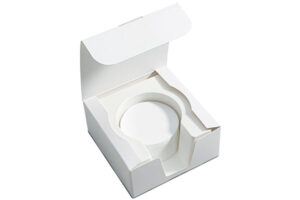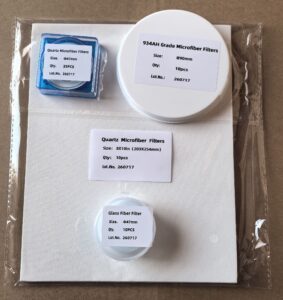

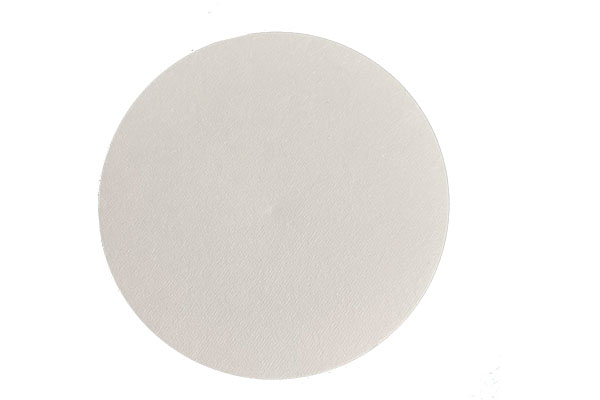
GF-F filters are a type of binder-free glass microfiber filter made from pure borosilicate glass fibers[^1]. They are designed for very fine particle retention, high loading capacity, and efficient flow rates[^2].
GF-F filters are commonly used for applications such as pre-filtration, suspended solids testing in water samples[^3], air particulate sampling[^4], solution clarification, chromatography pre-treatment[^5], and smoke/atmospheric particle collection[^6]. They are highly valued for their precision and reliability.
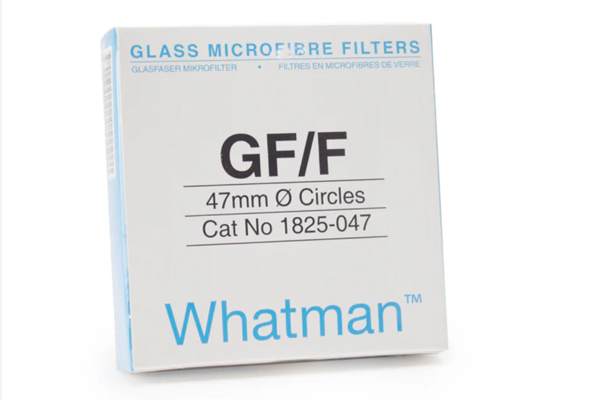
GF-F filters have gained prominence due to their versatile uses across industries. Their ability to perform efficiently with fine particle retention and high throughput makes them essential in labs and monitoring stations. Let’s dive deeper into their key attributes and applications.
Why is borosilicate glass used for GF-F filters?
Borosilicate glass is known for its chemical resistance, mechanical strength, and thermal stability[^7]. These properties make it an ideal material for creating filters that can withstand demanding conditions.
GF-F filters made from borosilicate glass offer fine particle retention with minimal loss of material during filtration. Their binder-free composition ensures purity[^8], which is crucial for sensitive applications like atmospheric particle sampling and chromatography.
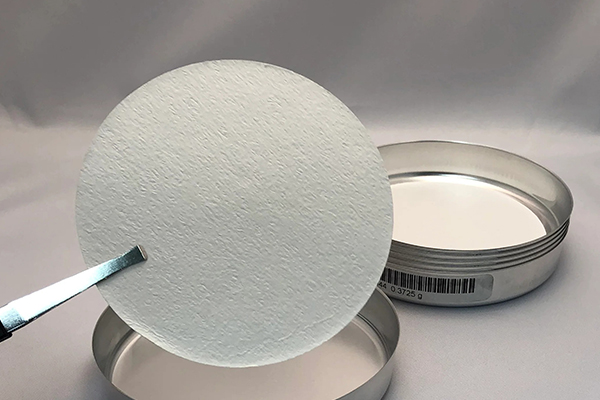
Borosilicate glass’s binder-free nature ensures filters remain uncontaminated, maintaining sample integrity. It also enhances durability under chemical exposure and heat, making GF-F filters suitable for extreme lab conditions.
What are the typical applications of GF-F filters?
GF-F filters are commonly used in pre-filtration, suspended solids testing, air particulate sampling, solution clarification, chromatography pre-treatment, and smoke/atmospheric particle collection. Their versatility is unmatched.
GF-F filters ensure precision in suspended solids testing by capturing fine particles without compromising filtration speed[^9]. Similarly, they play a critical role in air monitoring, enabling accurate detection of pollutants in atmospheric samples[^10].
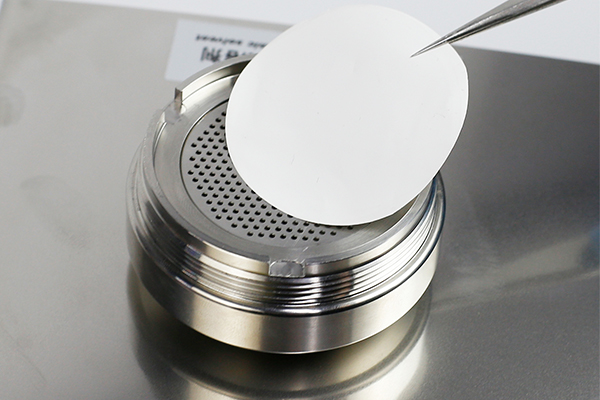
Here’s a detailed breakdown of typical uses:
| Application | Purpose | Filter Benefits |
|---|---|---|
| Pre-filtration | Removes larger particles before fine filtering | High flow rate, extended filter life |
| Suspended solids testing | Measures water quality | Fine retention, reliable precision |
| Air particulate sampling | Monitors pollution levels | High loading capacity, fine retention |
| Chromatography pre-treatment | Prepares samples for analysis | Purity, consistent performance |
| Smoke/atmospheric particle collection | Studies air quality trends | Accurate sampling, binder-free filters |
GF-F filters are indispensable in ensuring the accuracy of lab results across these diverse applications.
How does HuaEnv produce GF-F filters?
HuaEnv specializes in manufacturing high-quality GF-F filters, offering alternatives to major brands like Whatman and Ahlstrom. We provide free samples and welcome collaborations with distributors of lab filtration materials.
Our filters are made using advanced processes to ensure consistency and precision. HuaEnv employs rigorous quality checks to guarantee particle retention and flow rate specifications across all batches.
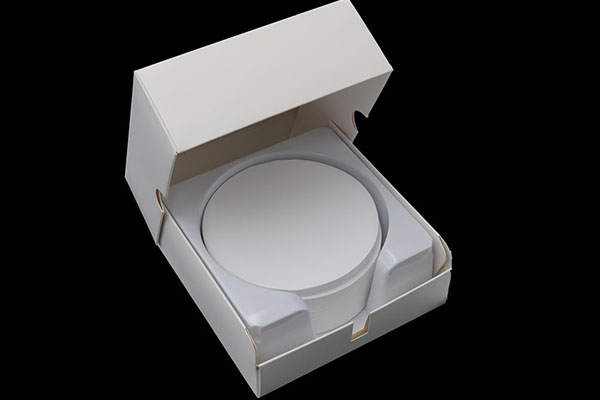
By focusing on quality and customization, HuaEnv ensures its GF-F filters meet international standards. We cater to laboratories, distributors, and environmental monitoring organizations with reliable and cost-effective solutions.
Why choose HuaEnv for GF-F filters?
HuaEnv offers competitive alternatives to top brands without compromising quality. Our GF-F filters undergo thorough testing for retention, flow rate, and loading capacity. We ensure high standards at affordable prices.
We specialize in both standard and custom-sized filters to meet varied lab requirements. With free samples available, potential distributors can test our filters before committing, ensuring they meet their operational and research needs.
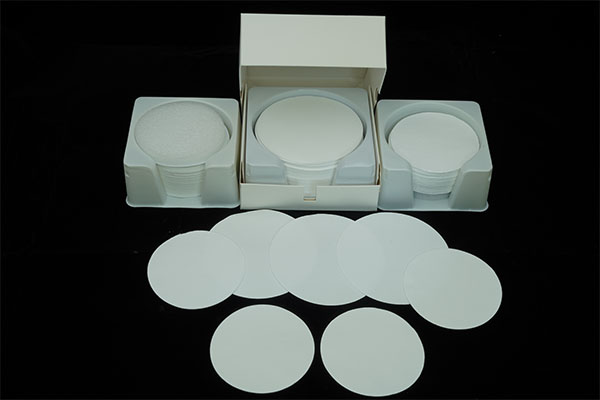
Choosing HuaEnv means access to reliable filters, expert support, and the ability to scale solutions based on customer needs. We aim to enhance lab efficiency and ensure accurate results.
Conclusion
GF-F filters are essential tools for precise particle filtration across diverse applications, from water testing to air monitoring. HuaEnv ensures quality and affordability in manufacturing these filters, offering reliable alternatives to major brands.
[^1]: "Develop an Operational System for Evaluating and Testing Methods ...", https://nepis.epa.gov/Exe/ZyPURL.cgi?Dockey=9101ELLJ.TXT. A technical source describing GF/F or equivalent glass-fiber filter media supports that these filters are typically binder-free and composed of borosilicate glass microfibers; this evidence establishes product-category composition rather than verifying any specific manufacturer’s formulation. Evidence role: definition; source type: institution. Supports: GF-F filters are binder-free glass microfiber filters made from pure borosilicate glass fibers.. Scope note: Contextual support for the filter category; it may not prove the composition of every GF-F-labeled product.
[^2]: "Whatman Glass Microfiber Grade GF/C Filter Discs 1.2 μm Pore Size", https://huaenv.com/whatman-glass-microfiber-grade-gf-c-filter-discs-1-2-%CE%BCm-pore-size-what-makes-them-unique/. Manufacturer-neutral laboratory specifications or method documents can support that glass microfiber filters are used where fine particle retention and relatively high flow or loading capacity are required; such sources usually provide nominal performance characteristics rather than universal performance guarantees. Evidence role: general_support; source type: institution. Supports: GF-F filters are designed for very fine particle retention, high loading capacity, and efficient flow rates.. Scope note: Performance varies by grade, diameter, sample matrix, and test conditions.
[^3]: "[PDF] Quality-Assurance Plan for the Analysis of Suspended Sediment by ...", https://pubs.usgs.gov/of/2006/1242/pdf/ofr2006-1242.pdf. Standard water-quality methods describe total suspended solids measurement by filtering a measured sample through a pre-weighed glass-fiber filter and determining retained residue gravimetrically, supporting the use of glass microfiber filters in suspended-solids testing. Evidence role: case_reference; source type: government. Supports: GF-F filters are commonly used for suspended solids testing in water samples.. Scope note: The method supports glass-fiber filter use generally and may specify particular grades or preparation steps depending on the protocol.
[^4]: "[PDF] Method IO-3.1 - Selection, Preparation and Extraction of Filter Material", https://www.epa.gov/sites/default/files/2019-11/documents/mthd-3-1.pdf. Air-monitoring methods document the collection of particulate matter on filters for gravimetric or chemical analysis, supporting the general use of filter media in air particulate sampling; the source may not be limited to GF-F filters specifically. Evidence role: case_reference; source type: government. Supports: GF-F or glass-fiber filters are used in air particulate sampling.. Scope note: Many official air-sampling methods specify PTFE, quartz, or glass-fiber filters depending on analyte and instrument, so the citation should be framed as contextual support.
[^5]: "[PDF] Method IO-3.1 - Selection, Preparation and Extraction of Filter Material", https://www.epa.gov/sites/default/files/2019-11/documents/mthd-3-1.pdf. Chromatography sample-preparation guidance states that filtration removes particulates before injection, helping protect chromatographic systems and improve analytical reliability; this supports the pre-treatment function, although it does not prove that GF-F is the only suitable filter medium. Evidence role: mechanism; source type: education. Supports: GF-F filters can be used for chromatography pre-treatment by removing particles from samples before analysis.. Scope note: The evidence supports filtration before chromatography generally; filter material selection depends on solvent compatibility and analyte recovery.
[^6]: "[PDF] Review of Filters for Air Sampling and Chemical Analysis in Mining ...", https://stacks.cdc.gov/view/cdc/128464/cdc_128464_DS1.pdf. Atmospheric aerosol and smoke-sampling studies commonly collect particles on filter substrates for mass or chemical analysis, supporting filter-based collection of atmospheric particles; the support is for the sampling approach rather than a universal preference for GF-F filters. Evidence role: case_reference; source type: paper. Supports: GF-F or similar filter media are used for smoke and atmospheric particle collection.. Scope note: Different aerosol studies use quartz, PTFE, cellulose, or glass-fiber filters depending on the target analysis.
[^7]: "Borosilicate Glass - an overview | ScienceDirect Topics", https://www.sciencedirect.com/topics/materials-science/borosilicate-glass. Materials references on borosilicate glass support its low thermal expansion, resistance to chemical attack, and suitability for laboratory glassware, providing background for its use in demanding filtration environments. Evidence role: definition; source type: encyclopedia. Supports: Borosilicate glass is known for chemical resistance, mechanical strength, and thermal stability.. Scope note: This supports general borosilicate glass properties, not the mechanical behavior of every microfiber filter made from it.
[^8]: "[PDF] Whatman filtration Product guide", https://macro.lsu.edu/howto/Whatman-filtration-product-guide.pdf. Laboratory filtration guidance on binder-free glass-fiber filters supports that omitting binders reduces potential extractables or sample contamination, which is relevant where low background contamination is required. Evidence role: mechanism; source type: institution. Supports: The binder-free composition of GF-F filters helps maintain sample purity by reducing contamination from binders.. Scope note: The source can support the contamination mechanism, but actual purity depends on filter handling, pre-treatment, and the analytes being measured.
[^9]: "Process Design Manual for Suspended Solids Removal - epa nepis", https://nepis.epa.gov/Exe/ZyPURL.cgi?Dockey=9101AVYN.TXT. Filtration-method references and filter specifications can support that glass microfiber filters combine fine nominal retention with relatively rapid filtration compared with denser membrane filters, but the balance depends on sample load and filter grade. Evidence role: mechanism; source type: research. Supports: GF-F filters can capture fine particles while maintaining practical filtration speed in suspended-solids testing.. Scope note: This is comparative and condition-dependent; a source may not validate the phrase for all suspended-solids samples.
[^10]: "[PDF] Standard Operating Procedure for Particulate Matter (PM ...", https://www3.epa.gov/ttnamti1/files/ambient/pm25/spec/RTIGravMassSOPFINAL.pdf. Air-quality monitoring methods support that collecting particulate matter on calibrated filter media enables gravimetric and chemical analysis of atmospheric pollutants, although analytical accuracy also depends on sampler calibration, filter conditioning, and laboratory procedures. Evidence role: mechanism; source type: government. Supports: Filter-based air monitoring supports detection and analysis of pollutants in atmospheric samples.. Scope note: Filter choice is only one part of pollutant detection accuracy; the source should not be read as proving accuracy by GF-F filters alone.