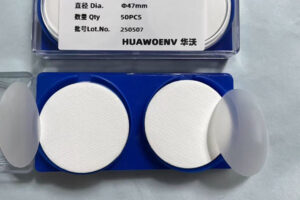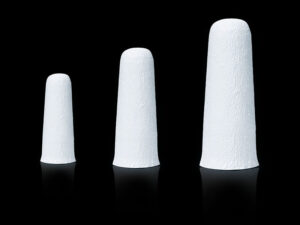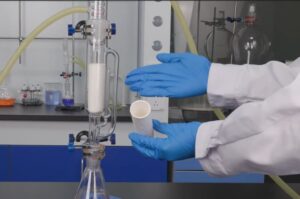


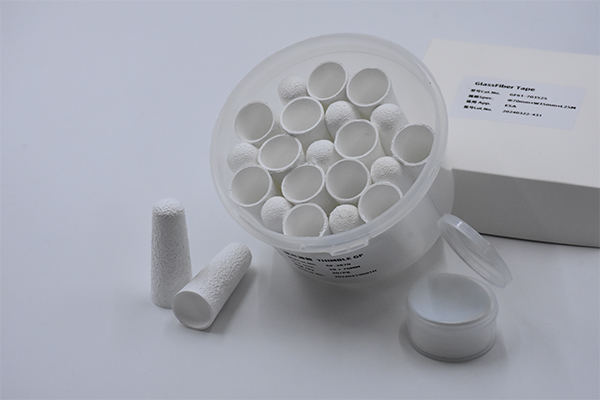
Laboratory thimbles are crucial tools in scientific research. They serve as tubular containers for Soxhlet extraction[^1] and other extraction processes, holding solid samples[^2] for analysis.
Laboratory thimbles are tubular containers used in Soxhlet extraction[^1] and other processes to hold solid samples[^2] for efficient extraction and analysis.
Understanding the Basics of Laboratory Thimbles
Laboratory thimbles are typically made from cellulose, glass fiber, or quartz, designed to resemble a tall, narrow cup with a porous bottom[^3]. This shape allows solvents to permeate the sample efficiently.
The thimble's porous bottom[^3] allows solvents to flow through, contacting the sample efficiently for effective extraction processes.
How to Use Laboratory Thimbles for Extraction?
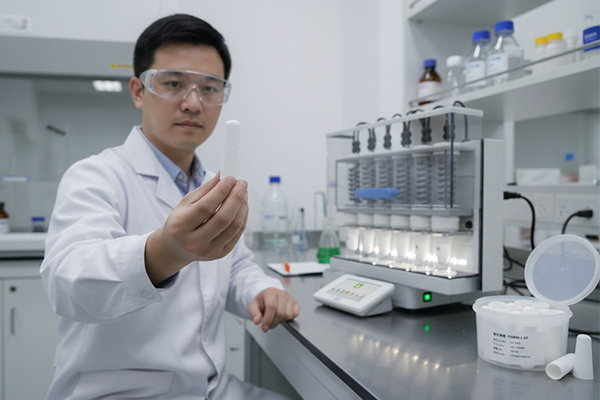
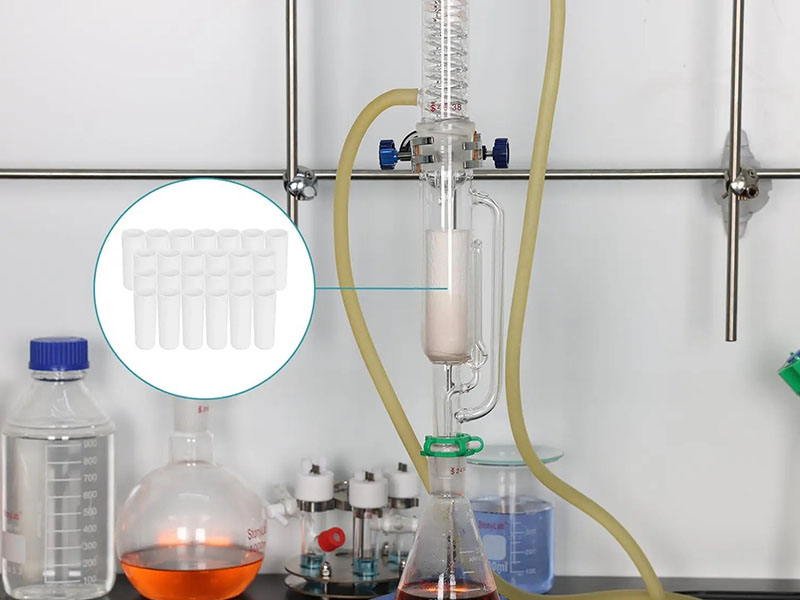
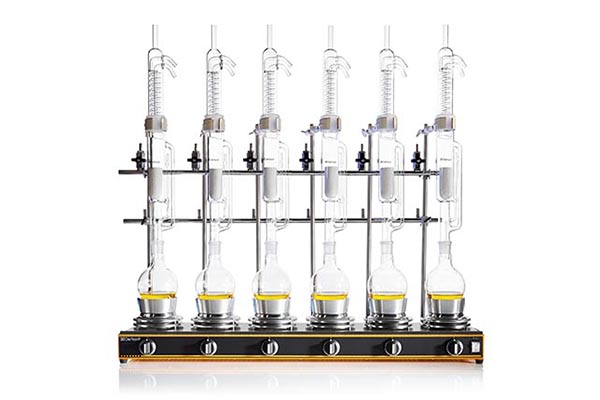
To use a laboratory thimble, the solid sample is placed inside the thimble before it's inserted into an extraction apparatus, like a Soxhlet extractor. The solvent is heated, vaporized, condensed, and dripped onto the sample, extracting target compounds. This solvent is then siphoned and returned to the heating flask for reuse.
Insert the thimble into an extraction apparatus, heat the solvent to vaporize, condense, and drip on the sample to extract target compounds efficiently.
Exploring the Key Features of Laboratory Thimbles
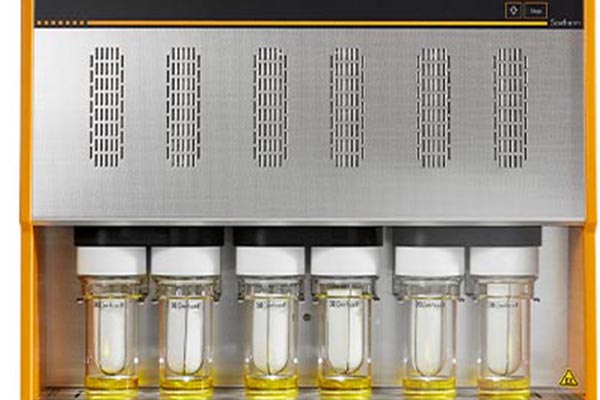
The multi-porous bottom[^3] of laboratory thimbles allows for efficient solvent flow and contact with the sample. They come in various sizes to accommodate different sample volumes, and material choice[^4] depends on the solvent used and the type of sample being extracted.
| Feature | Description |
|---|---|
| Porous Bottom | Allows solvent to contact sample efficiently |
| Size Variability | Available in multiple sizes for different sample amounts |
| Material Choice | Depends on solvent and sample type |
Laboratory thimbles provide multiple sizes and materials to suit different sample types and solvent compatibility.

What Are the Applications of Laboratory Thimbles?
Laboratory thimbles are widely used in food analysis[^5], environmental monitoring, and drug research. They efficiently extract target compounds from solid samples[^2], making them indispensable in various fields.
Laboratory thimbles are used in food analysis[^5], environmental monitoring, and drug research to extract compounds from solid samples[^2].
Can Laboratory Thimbles Be Used for Other Purposes?
Yes, laboratory thimbles can also be used for air monitoring[^6] by collecting airborne particles like smoke and haze through a tube that captures the particles. Additionally, they are suitable for long-term leaching of compounds from solid materials, though less efficient than Soxhlet extraction[^1].
Thimbles can collect airborne particles for air monitoring[^6] and leach compounds from solids over extended periods.
Conclusion
Laboratory thimbles are versatile tools, offering efficient extraction capabilities for various applications and adaptable material choice[^4]s to suit different research needs.
[^1]: Explore this link to understand the Soxhlet extraction process, its applications, and its significance in scientific research.
[^2]: Discover methods and techniques for analyzing solid samples in laboratories, including the use of thimbles.
[^3]: Learn about the critical role of a porous bottom in enhancing solvent flow and extraction efficiency in laboratory thimbles.
[^4]: Find out about the different materials used for laboratory thimbles and their compatibility with various solvents.
[^5]: Investigate the applications of laboratory thimbles in food analysis and their importance in ensuring food safety.
[^6]: Explore the innovative uses of laboratory thimbles in air monitoring and their effectiveness in capturing airborne particles.