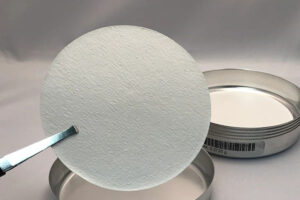

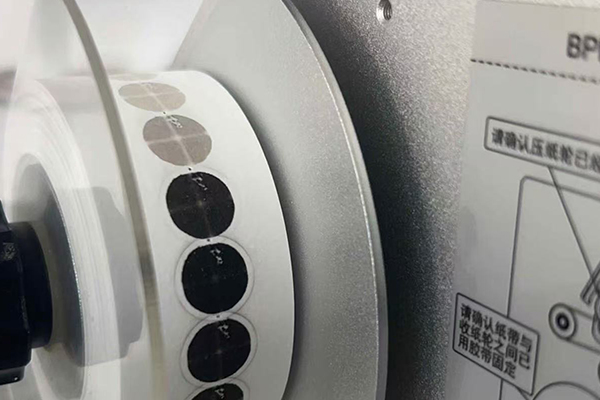
The difference between BAM Glass Fiber Filter Tape Roll[^1] and ordinary glass fiber filter tape can be quite significant. BAM Glass Fiber Filter Tape Roll[^1] is designed specifically for PM2.5/PM10 monitoring[^2], boasting high particle retention[^3] and excellent mechanical stability[^4].
BAM Glass Fiber Filter Tape Roll[^1], also known as BAM Filter Paper, is hydrophobic and contains organic binders. It offers a fast flow rate and a particle retention[^3] efficiency of over 99.995% for 0.3-0.5um standard particles. It is ideal for PM2.5/PM10 monitoring[^2] using techniques like beta-ray or infrared weighing methods due to its temperature resistance[^5] up to 180°C.
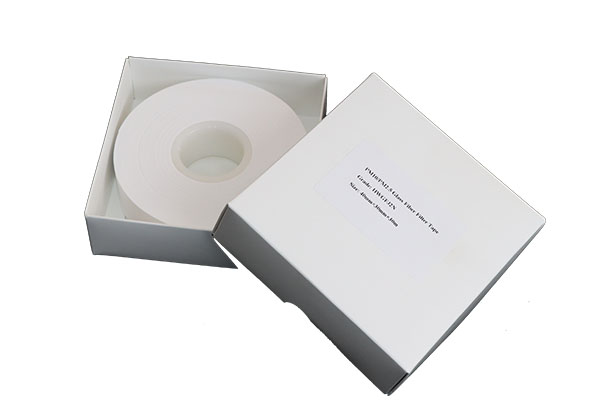
When comparing with ordinary glass fiber filter tape, the specifics of the glass fiber paper's performance indicators become crucial. Ordinary filter tapes vary widely and may not meet the technical requirements for PM2.5/PM10 monitoring[^2] or aerosol collection with the precision needed.
Why is particle retention[^3] important for PM monitoring?
Monitoring PM2.5 and PM10 is essential for environmental and health assessments. BAM Glass Fiber Filter Tape Roll[^1] excels in particle retention[^3], capturing over 99.995% of 0.3-0.5um particles. Ordinary tapes might struggle with such precision, affecting the accuracy of monitoring results.
The ability of BAM Glass Fiber Filter Tape Roll[^1] to retain fine particles ensures reliable data collection for air quality assessments. Ordinary filter tapes may not provide the same level of precision, potentially leading to discrepancies in environmental monitoring.
For PM monitoring, high particle retention[^3] ensures accurate data collection. BAM filter paper achieves this through its specific design, whereas ordinary tapes might lack such precision, risking the integrity of the monitoring findings.
How does temperature resistance[^5] impact filter tape performance?
Temperature resistance is crucial when monitoring environments with varying conditions. BAM Glass Fiber Filter Tape Roll[^1] withstands temperatures up to 180°C, making it suitable for diverse applications. Ordinary filter tapes may not offer such resilience, limiting their use.
Temperature fluctuations can affect filter performance. BAM Glass Fiber Filter Tape Roll[^1]'s resistance ensures consistent functionality under high temperatures, making it reliable for PM monitoring. Ordinary tapes may falter, affecting data accuracy.
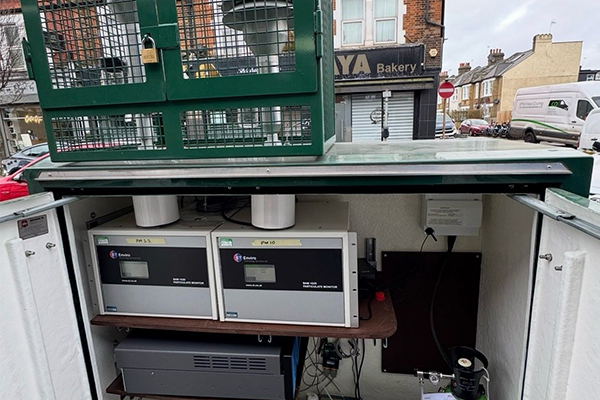
When temperature changes, filter tape performance can vary. BAM's high-temperature resistance[^5] ensures stable performance, while ordinary tapes may become compromised, affecting the outcome of environmental assessments.
What role does mechanical stability[^4] play in filter tape usage?
Mechanical stability is vital for maintaining filter integrity during use. BAM Glass Fiber Filter Tape Roll[^1]'s robustness prevents damage during handling, ensuring consistent performance. Ordinary tapes might lack such durability, leading to potential issues.
Mechanical stability ensures the filter remains intact during sampling and analysis. BAM filter tape offers superior stability, reducing the risk of tears or damage. Ordinary tapes might be more susceptible to mechanical stress.
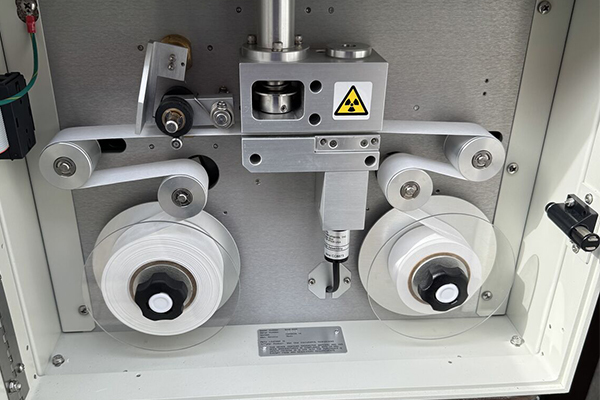
Filter tapes undergo physical stress during use. BAM's mechanical stability[^4] supports reliable handling, while ordinary tapes may encounter issues, risking the integrity of the monitoring process.
Conclusion
BAM Glass Fiber Filter Tape Roll[^1] offers superior particle retention[^3], temperature resistance[^5], and mechanical stability[^4], making it ideal for PM2.5/PM10 monitoring[^2] compared to ordinary glass fiber filter tapes.
[^1]: Explore the advantages of BAM Glass Fiber Filter Tape Roll for precise PM monitoring and its superior performance.
[^2]: Explore the various techniques for PM monitoring and how they ensure accurate environmental assessments.
[^3]: Understanding particle retention is crucial for accurate air quality assessments; learn more about its significance.
[^4]: Learn why mechanical stability is essential for reliable filter performance during sampling and analysis.
[^5]: Discover how temperature resistance impacts the effectiveness of filter tapes in various monitoring conditions.