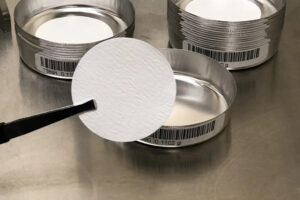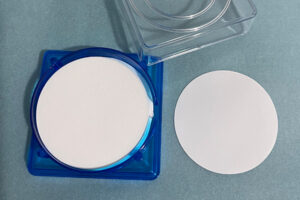

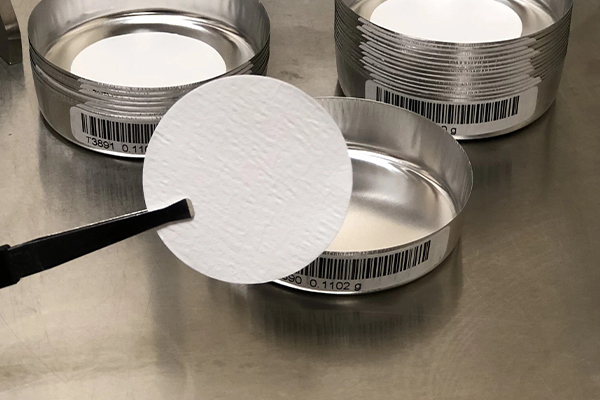
The choice of the right filter paper can make or break an experiment. Selecting the wrong pore size can lead to inaccurate results[^1].
GF/A glass microfibre filter papers have a pore size of 1.6µm[^2]. This ensures fine particle retention while offering high flow rates, good loading capacity[^3], and reliable pre-filtration performance.
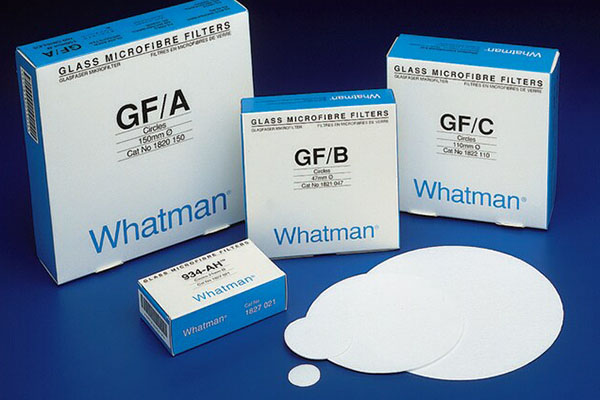
GF/A filters are essential for achieving accurate results in various applications. Let’s explore these filters and their advantages further.
What makes GF A filters unique?
The characteristics of GF/A filters make them suitable for diverse applications, from environmental monitoring to analytical research[^4].
GF/A filters have a pore size of 1.6µm, which is ideal for retaining fine particles. They boast high flow rates, excellent loading capacity, and a consistent build for reliable filtration across different experiments.
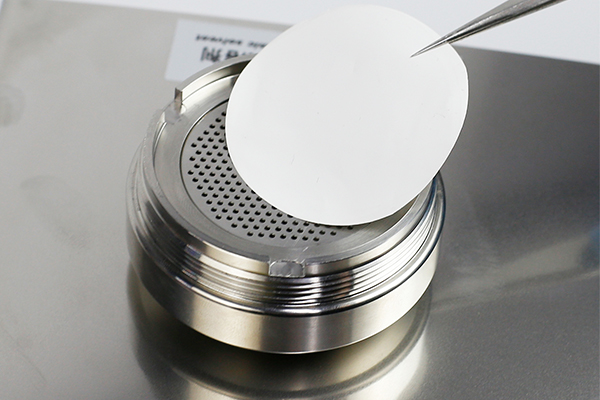
These filters strike a balance between retention and flow rate[^5]. They support precise monitoring, pre-filtration, and suspension detection processes, making them indispensable in laboratories worldwide.
Application breakdown of GF/A filters
GF/A filters are versatile. Below is a table of common uses:
| Application | Description | Benefits |
|---|---|---|
| Pre-filtration | Removes larger particles before fine filtration | Protects finer filters from clogging[^6] |
| Water sample testing | Detects suspended solids in water samples[^7] | Reliable and quick results |
| Air particulate sampling[^8] | Collects dust and particulates from air | Ensures accurate environmental data |
| Solution clarification | Removes unwanted particles from solutions | Produces clearer, usable solutions |
As you can see, their versatility extends across industries, cementing their importance in scientific research.
Why choose HuaEnv for glass microfibre filters?
The global market is saturated with filter manufacturers, yet HuaEnv stands out with its specialized focus and high-quality production.
HuaEnv manufactures and supplies GF/A among other glass fiber filters. They match the quality of global brands like Whatman and Ahlstrom while offering competitive pricing and customized solutions.
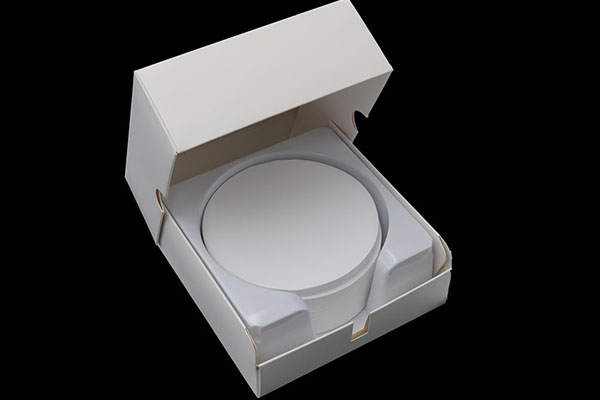
Our factory in China offers free samples for distributors and laboratories looking for reliable alternatives. HuaEnv filters are produced under strict quality measures, ensuring every filter meets international standards.
How HuaEnv filters compare to competitors
Here’s a comparison between HuaEnv filters and other prominent brands:
| Feature | HuaEnv GF A Filters | Whatman GF A Filters | Ahlstrom GF A Filters |
|---|---|---|---|
| Pore Size | 1.6µm | 1.6µm | 1.6µm |
| Consistency | High | High | High |
| Price | Competitive | High | Moderate |
| Customization | Available | Limited | Limited |
With unmatched affordability and flexibility, HuaEnv emerges as a strong competitor in the glass microfibre filter market.
How are GF/A filters used in environmental monitoring?
Environmental monitoring relies on precision, which makes GF/A filters indispensable in monitoring air and water quality.
GF/A filters retain fine particles while maintaining optimal flow rates. For air monitoring, they collect particulate matter like PM2.5 and PM10[^9], providing valuable data for pollution studies.
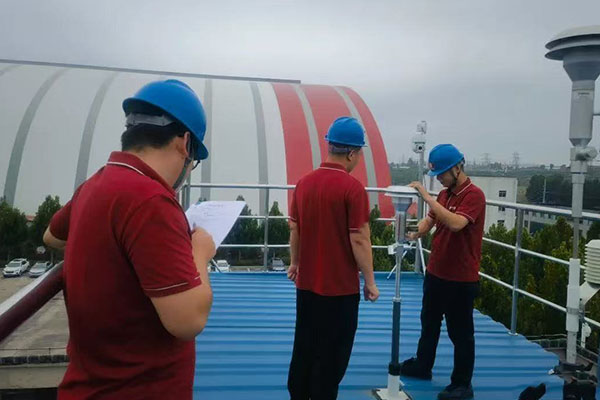
For water sample testing, GF/A filters are used to detect suspended solids. This ensures accurate assessments of water quality and compliance with safety standards[^10].
Environmental monitoring in action
Below is a quick overview of how GF/A filters are applied in environmental studies:
| Process | Type of Sample | Filter Function |
|---|---|---|
| Air dust sampling | PM2.5 and PM10 | Retention and analysis |
| Water testing | Suspended solids | Filtration and detection |
| Solution clarification | Polluted water | Removes contaminants |
GF/A filters serve as the backbone of reliable environmental monitoring.
Conclusion
GF/A filters with 1.6µm pore size offer high-quality filtration for a range of applications. HuaEnv matches global standards and offers customizable, cost-effective solutions for laboratories worldwide.
[^1]: "Filtration efficiency improvement of air filter paper for fine particles by ...", https://bioresources.cnr.ncsu.edu/resources/filtration-efficiency-improvement-of-air-filter-paper-for-fine-particles-by-electrospinning-technology/. Filtration references and laboratory methods describe filter pore size as a determinant of particle retention and filtrate composition, supporting the claim that an inappropriate pore size can bias experimental results. Evidence role: mechanism; source type: education. Supports: Selecting the wrong filter pore size can lead to inaccurate experimental results.. Scope note: The source may support the general filtration principle rather than testing GF/A filters specifically.
[^2]: "Whatman™ Grade GF/A glass microfiber filters, binder free", https://www.cytivalifesciences.com/en/us/products/items/whatman-grade-gf-a-glass-microfiber-filters-binder-free-p-00426. Published specifications for Grade GF/A glass microfiber filters list a nominal particle retention or pore-size rating of about 1.6 µm, supporting the stated GF/A pore-size value. Evidence role: definition; source type: other. Supports: GF/A glass microfibre filter papers have a pore size of 1.6 µm.. Scope note: GF/A ratings are commonly nominal specifications and can vary by manufacturer or test method.
[^3]: "Whatman™ Grade GF/A glass microfiber filters, binder free - Cytiva", https://www.cytivalifesciences.com/en/us/products/items/whatman-grade-gf-a-glass-microfiber-filters-binder-free-p-00426?selectedProduct=28418316. Technical specifications for glass microfiber filter grades characterize GF/A-type filters as combining relatively fine particle retention with high flow rate and loading capacity, supporting the performance description. Evidence role: general_support; source type: other. Supports: GF/A filters offer high flow rates and good loading capacity.. Scope note: Such performance values are typically measured under specified laboratory conditions and may not directly predict every sample matrix.
[^4]: "Investigation of reagent distributions on glass fiber membrane filters ...", https://pubmed.ncbi.nlm.nih.gov/17909647/. Laboratory filtration references describe glass microfiber filters as being used in environmental sampling and analytical preparation, providing contextual support for their use across these application areas. Evidence role: general_support; source type: education. Supports: GF/A filters are suitable for applications ranging from environmental monitoring to analytical research.. Scope note: The source may discuss glass microfiber filters broadly rather than GF/A filters alone.
[^5]: "Performance factors for filtration of air using cellulosic fiber-based ...", https://bioresources.cnr.ncsu.edu/resources/performance-factors-for-filtration-of-air-using-cellulosic-fiber-based-media-a-review/. Filtration literature describes pore structure and fiber depth as creating trade-offs between particle retention and flow resistance, which supports the characterization of GF/A filters as balancing retention and flow rate. Evidence role: mechanism; source type: paper. Supports: GF/A filters strike a balance between particle retention and flow rate.. Scope note: The evidence would support the filtration principle generally; a filter-grade-specific source is needed to prove the exact balance for GF/A.
[^6]: "Centrifugal Sand Separators | Maintenance of Microirrigation Systems", https://ucanr.edu/site/maintenance-microirrigation-systems/centrifugal-sand-separators-1. Filtration guidance describes prefiltration as removing larger particles before a finer filtration step, thereby reducing particulate load and delaying clogging of downstream filters. Evidence role: mechanism; source type: education. Supports: Pre-filtration protects finer filters from clogging.. Scope note: This supports the mechanism of prefiltration generally rather than quantifying clogging reduction for GF/A filters specifically.
[^7]: "[PDF] Total Suspended Solids by Gravimetric Determination", https://www.cefns.nau.edu/~teb/ambl/sop/SOP_AMBL_105D_TotalSuspendedSolids.pdf. Standard water-analysis methods measure suspended solids by filtering a known water volume through a glass-fiber filter and determining the retained residue, supporting the use of such filters for suspended-solids testing. Evidence role: case_reference; source type: government. Supports: Glass fiber filters are used to detect or measure suspended solids in water samples.. Scope note: Some standards specify filter characteristics rather than the GF/A trade name, so the support may be method-level rather than product-specific.
[^8]: "[PDF] PM2.5 and PM10 Network Guidance - Air Knowledge", https://airknowledge.gov/Mod/PM2.5_and_PM10_Network_Guidance/Web/PM2.5%20and%20PM10%20Network%20Guidance_Lesson.pdf. Air-monitoring methods collect particulate matter on filters for gravimetric or chemical analysis, supporting the use of filter media in air particulate sampling. Evidence role: case_reference; source type: government. Supports: Filters are used for air particulate sampling.. Scope note: Air-monitoring standards may specify filter material and performance criteria without identifying GF/A specifically.
[^9]: "National Ambient Air Quality Standards (NAAQS) for PM | US EPA", https://www.epa.gov/pm-pollution/national-ambient-air-quality-standards-naaqs-pm. Environmental agencies define PM2.5 and PM10 as airborne particulate matter size fractions monitored for air-quality assessment, supporting the relevance of these particle categories in air-monitoring applications. Evidence role: definition; source type: government. Supports: PM2.5 and PM10 are particulate matter categories relevant to air monitoring and pollution studies.. Scope note: This supports the significance and definition of PM2.5 and PM10, not the suitability of GF/A filters for every PM sampling protocol.
[^10]: "Guidance Manual for Compliance with the Interim Enhanced ...", https://nepis.epa.gov/Exe/ZyPURL.cgi?Dockey=200021OB.TXT. Water-quality regulations and analytical methods rely on standardized measurements such as suspended-solids testing to assess environmental or safety compliance, supporting the link between filtration-based water testing and standards compliance. Evidence role: general_support; source type: government. Supports: Water sample testing can contribute to water-quality assessment and compliance with safety standards.. Scope note: The source would support the compliance role of standardized water testing generally, not establish that GF/A filters alone ensure compliance.