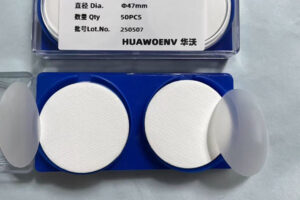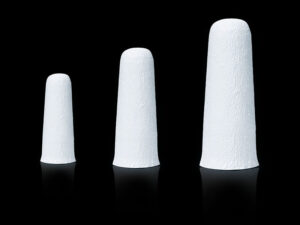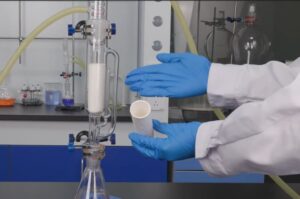


The Soxhlet extraction[^1] process, known for precise material isolation, relies on extraction thimbles[^2]. Are they the hidden heroes behind successful extractions?
Extraction thimbles serve as filters to hold the solid material while allowing solvents to pass through, facilitating efficient extraction in Soxhlet processes. Cellulose, glass fiber, and quartz fiber thimbles[^3] each offer unique benefits for different applications, like environmental monitoring[^4] and sample purity[^5].
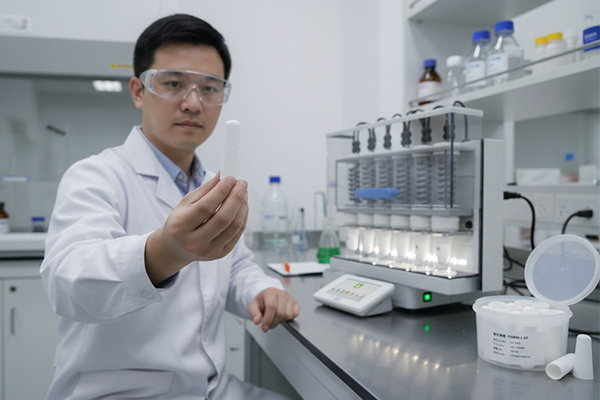
Understanding the specific uses of thimbles in Soxhlet extraction[^1] can enhance the efficiency of your extraction process. Let's explore the different types of thimbles available and their specific advantages.
Why choose cellulose extraction thimbles[^6] for Soxhlet extraction[^1]?
Cellulose extraction thimbles[^2] are praised for their versatility and cost-effectiveness. But are they the right choice for your Soxhlet extraction[^1] needs?
Cellulose thimbles are widely used due to their compatibility with various solvents and affordable pricing. They are ideal for routine laboratory extractions where cost and efficiency are critical.
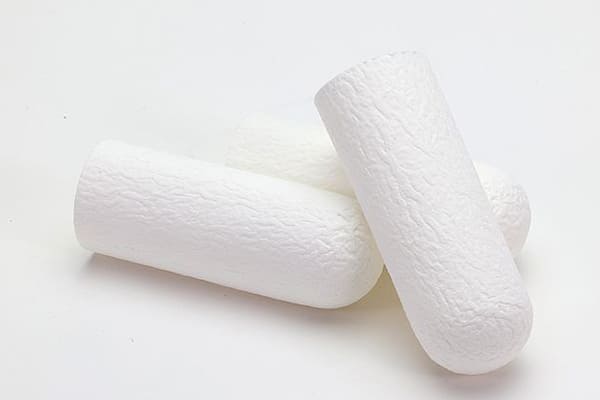
Dive deeper into the benefits of cellulose thimbles. They're made from high-quality cellulose, allowing them to hold up under varied extraction conditions without tearing. Their uniform pore size ensures consistent extraction results, making them reliable for both academic and industrial settings. Plus, they're biodegradable, which is a boon for environmentally-conscious practices. While they may not withstand harsh chemicals, their versatility with organic solvents makes them a staple in many labs. Choosing cellulose thimbles can optimize costs without compromising reliability.
Are glass fiber thimbles[^7] suitable for high-temperature extractions?
When dealing with high-temperature extractions, the material of your thimble can make all the difference. But do glass fiber thimbles[^7] meet the mark?
Glass fiber thimbles are preferred for high-temperature applications[^8] due to their high thermal resistance and mechanical stability, making them suitable for rigorous Soxhlet extraction[^1]s.
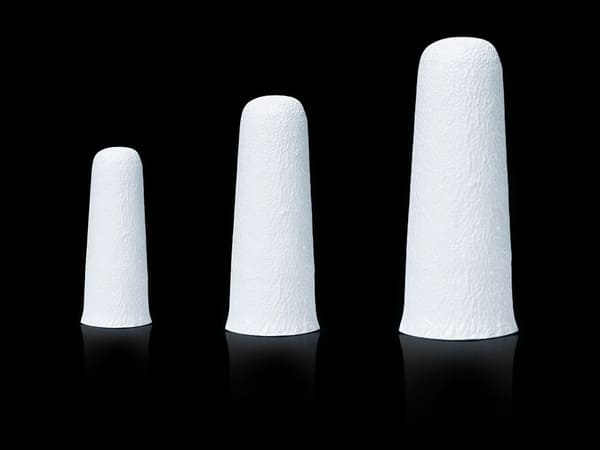
Glass fiber thimbles are robust, able to withstand high temperatures without compromising their structural integrity. This makes them particularly useful in industries where temperature and chemical resistance are paramount, such as pharmaceuticals and biochemical research. Their consistent pore structure allows for precise filtration, ensuring that extraction is both efficient and effective. While they are costlier than cellulose thimbles, their durability in extreme conditions often justifies the investment. Glass fiber thimbles are essential when the process demands both high performance and reliability.
Are quartz fiber thimbles[^3] worth the higher cost for environmental monitoring[^4]?
Quartz fiber thimbles are more expensive than cellulose and glass fiber options, but what justifies their use in environmental monitoring[^4]?
Quartz fiber thimbles are exceptional for monitoring applications involving smoke, dust, and pollutants due to their ability to tolerate high temperatures and resist chemical reactions.

Quartz fiber thimbles offer unparalleled chemical resistance and thermal stability, making them perfect for sampling air pollutants, heavy metals, and organic compounds. Their high purity ensures that samples remain uncontaminated, which is crucial for accurate environmental analysis. They are indispensable in regulatory settings where precision in pollutant data collection is necessary. The cost is justified by the need for precision and reliability in these demanding conditions. Quartz thimbles serve as a critical component in ensuring data integrity and compliance with environmental standards.
Conclusion
Choosing the right thimble—cellulose, glass fiber, or quartz fiber—can significantly enhance the efficiency and accuracy of Soxhlet extraction[^1] processes, especially in specialized applications.
[^1]: Understanding Soxhlet extraction is crucial for optimizing your extraction processes and achieving better results.
[^2]: Learn about extraction thimbles to enhance your knowledge of their importance in efficient extraction methods.
[^3]: Find out how quartz fiber thimbles ensure data integrity in environmental analysis and why they are worth the investment.
[^4]: Gain insights into the role of extraction thimbles in effective environmental monitoring practices.
[^5]: Understanding sample purity can help you achieve more accurate and reliable results in your extractions.
[^6]: Discover why cellulose thimbles are favored for their versatility and cost-effectiveness in laboratory extractions.
[^7]: Explore the advantages of glass fiber thimbles for high-temperature applications in various industries.
[^8]: Learn about the challenges and solutions for high-temperature applications to improve your extraction efficiency.