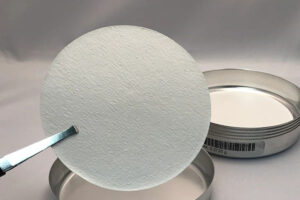

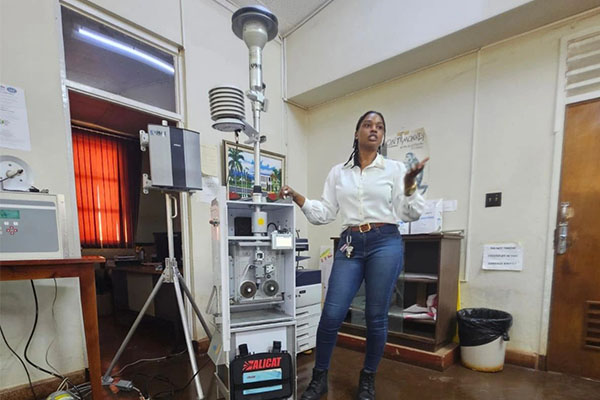
Using BAM Glass Fiber Filter Tape Roll[^1] without understanding its specifics can lead to monitoring inefficiencies. These tapes are crucial for environmental aerosol measurement[^2], but knowing their dimensions and specifications is key to effective use.
The BAM Glass Fiber Filter Tape Roll[^1], commonly identified by the part ID ETFILT008, is designed for use in continuous particulate monitors like the BAM 1020[^3]. The most common dimensions are Core 40mm, Width 30mm, and Length 31m. These specifications are essential to ensure compatibility and efficiency in environmental monitoring devices.
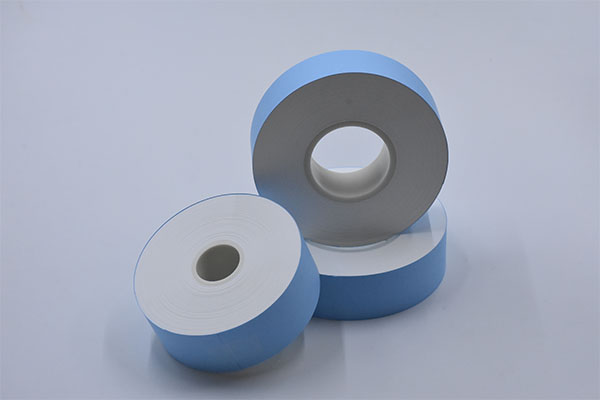
When I interacted with an Omani client seeking BAM 1020[^3] filter tapes for their six continuous particulate monitors, I realized how essential it is to understand the dimensions and specifications. Misinterpretation can lead to incorrect purchases and hinder environmental monitoring efforts.
What are the dimensions of BAM Glass Fiber Filter Tape Roll[^1]?
Misunderstanding the dimensions can lead to purchasing the wrong product, causing inefficiencies in monitoring. Knowing the standard dimensions is vital for correct use.
The BAM Glass Fiber Filter Tape commonly features a core diameter of 40mm, a width of 30mm, and a length of 31m. These dimensions ensure a perfect fit in BAM 1020[^3] monitors, facilitating accurate environmental monitoring.
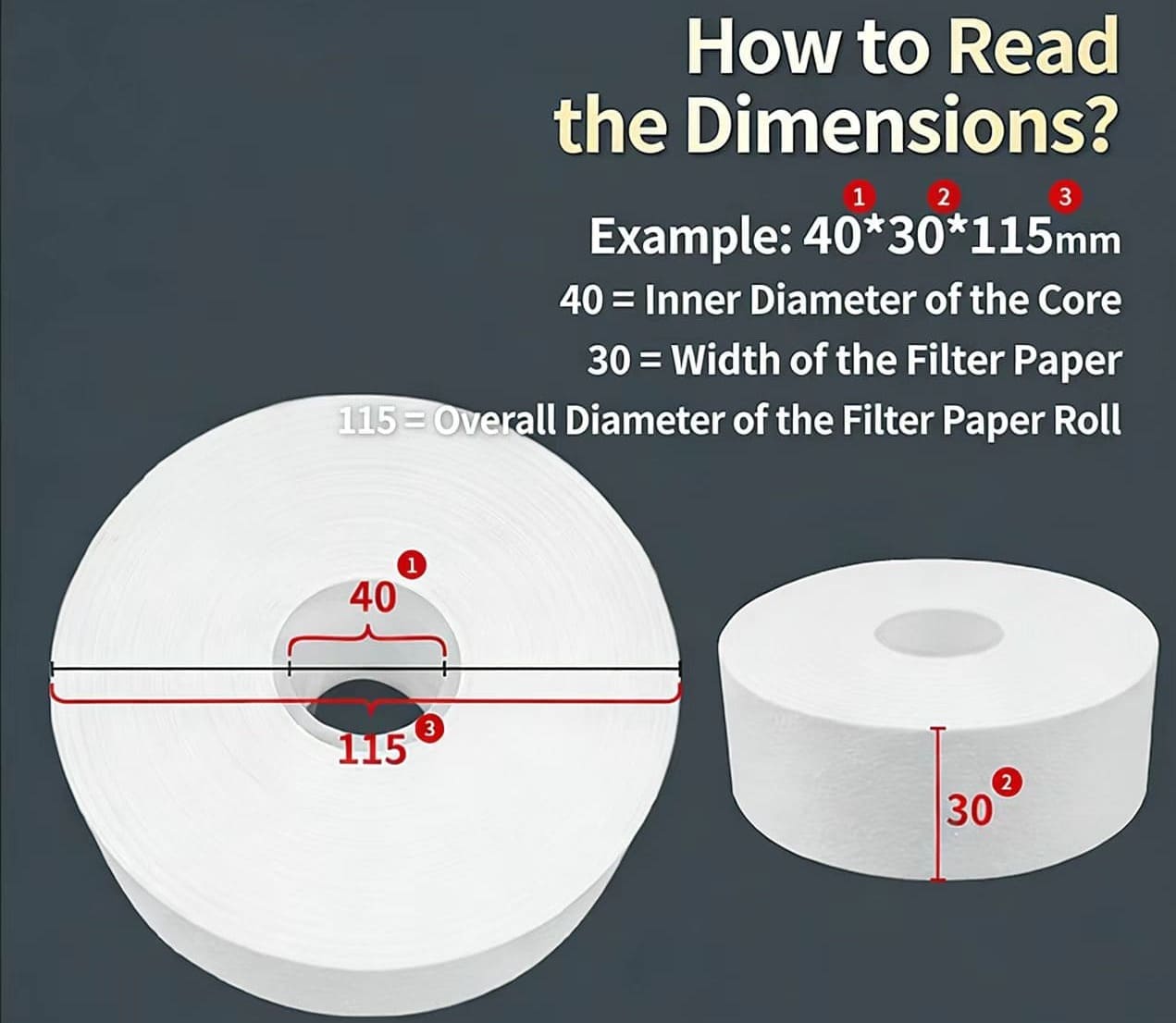
Understanding the dimensions is crucial for seamless integration into pollution monitoring systems[^4]. The width of 30mm allows optimal surface area for particulate collection, while the core diameter of 40mm ensures proper fit in the monitor. The length of 31m supports extended use without frequent replacements, reducing downtime and ensuring continuous monitoring.
How to read the specifications correctly?
Incorrectly reading specifications can result in purchasing inefficiencies, leading to delays and increased costs in environmental monitoring projects. Proper interpretation ensures successful application.
The specifications typically include core size, width, and length. Knowing how to interpret these dimensions ensures correct application and efficient use in your BAM 1020[^3] device.
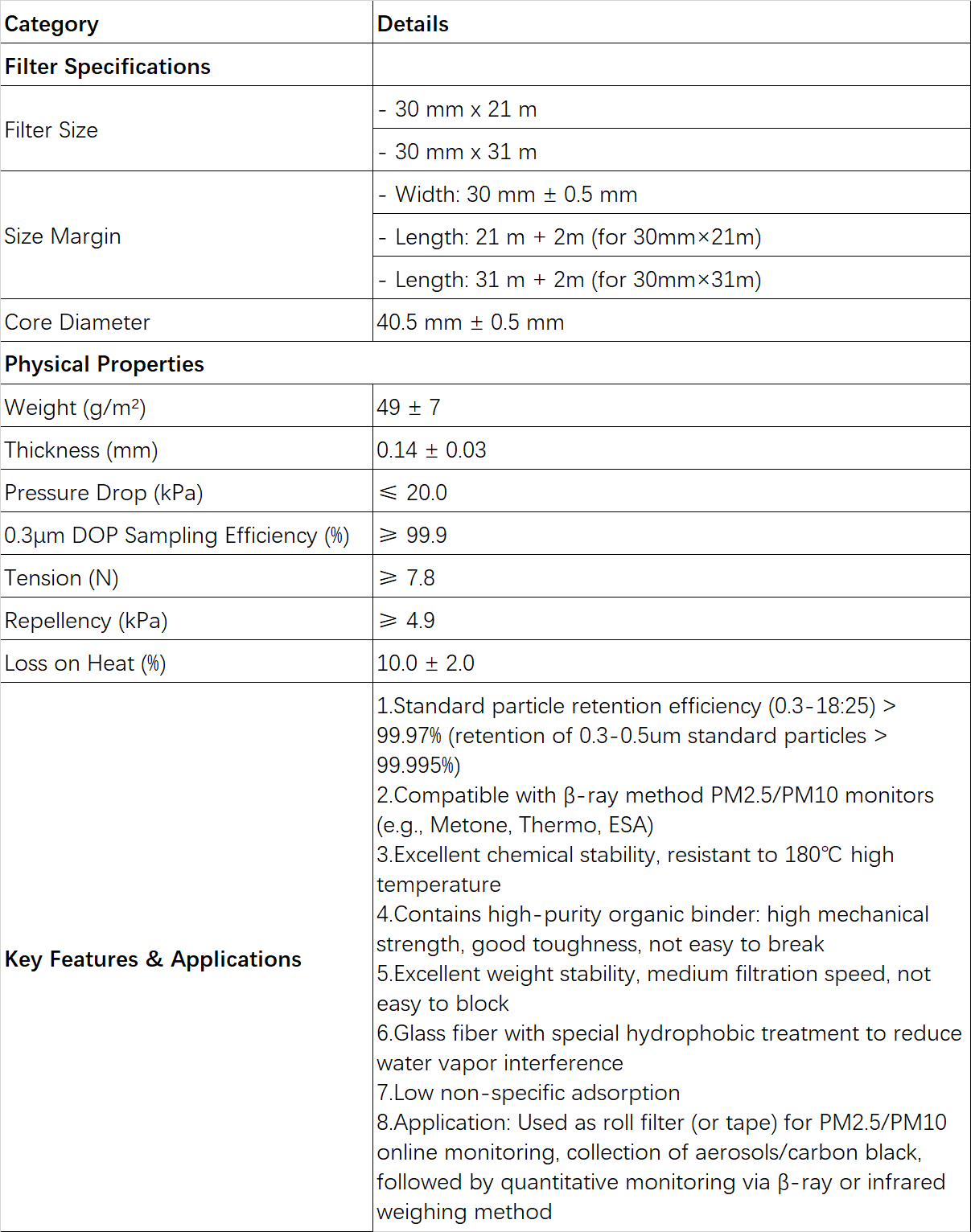
When reading the data sheet, focus on the tape's dimensions. The core size impacts how the tape fits into the monitor, while the width and length determine the surface area and duration of effective monitoring. Understanding these numbers ensures that you order the right product and avoid operational mishaps.
Why is understanding the BAM Glass Fiber Tape Roll crucial?
Incorrect use or misinterpretation can lead to decreased monitoring efficiency and possible equipment damage. Understanding the tape's role is key to effective environmental monitoring.
The BAM Glass Fiber Tape Roll is integral to collecting airborne particulates, which are crucial for environmental analysis. Proper understanding ensures effective use and accurate data collection in environmental monitoring.
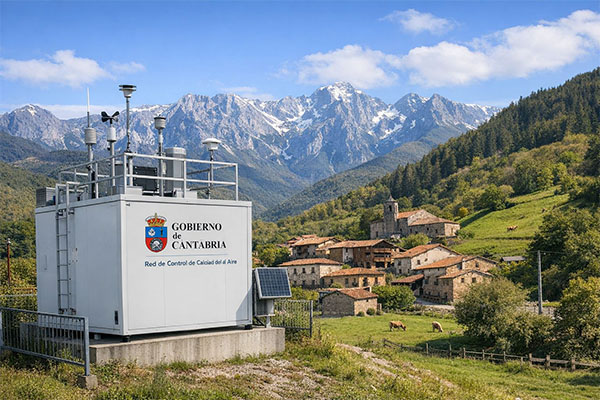
Understanding the BAM Glass Fiber Tape Roll ensures that environmental monitors function correctly. The tape is designed to capture particulate matter effectively, providing accurate data for air quality assessments. Misinterpretation of specifications can lead to poor tape integration, affecting the reliability of the data collected.
Conclusion
Understanding the specifications of BAM Glass Fiber Filter Tape Roll[^1] is crucial for efficient environmental monitoring and accurate data collection.
[^1]: Explore this link to understand the applications and importance of the BAM Glass Fiber Filter Tape Roll in environmental monitoring.
[^2]: Understand the critical role of environmental aerosol measurement in assessing air quality and pollution.
[^3]: Find out how the BAM 1020 operates and why it's essential for continuous particulate monitoring.
[^4]: Explore the mechanisms behind pollution monitoring systems to appreciate their importance in environmental protection.