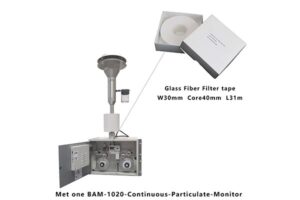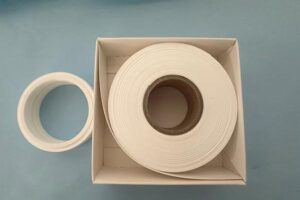

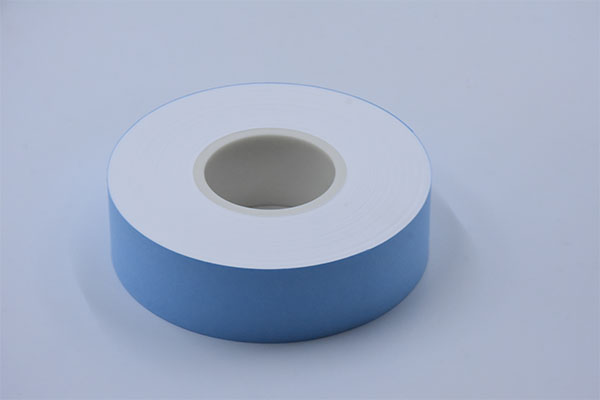
Filter tape rolls are crucial to the functionality of Continuous Particulate Monitors. When leaks occur, they can compromise the integrity of the monitoring process. Faulty instruments or substandard filter tapes often cause these leaks, leading to inaccurate readings.
To perform a BAM 1020 filter tape leak test[^1], first ensure the instrument is powered off. Then, remove the filter tape roll from the monitor. Inspect it for any visible damage or manufacturing defects. Next, gently reinstall the tape roll and power the instrument back on. Run a test cycle to check for air leaks, ensuring all connections are secure.
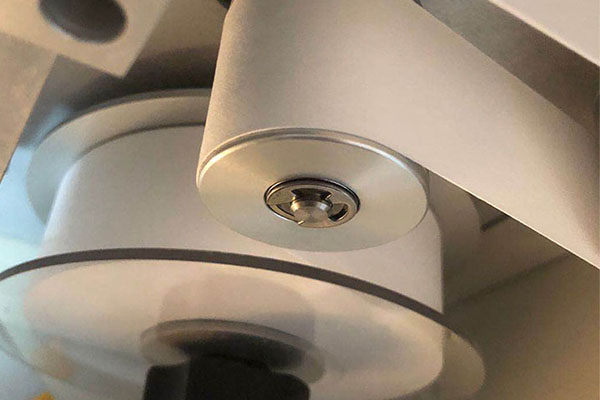
A faulty instrument or low-quality filter tape roll can lead to inaccurate data, affecting environmental monitoring outcomes. Regular maintenance and using high-quality tapes are essential to prevent leaks and ensure accurate monitoring.
Why is filter tape quality[^2] essential?
High-quality filter tapes are vital for environmental monitoring accuracy[^3]. When tapes are compromised, so is data integrity, leading to potential errors in pollution measurement.
Filter tape quality ensures accurate particulate readings crucial for environmental assessments. Poor quality tapes can cause leaks, affecting data accuracy and leading to costly errors. Regular inspection and use of reliable tapes prevent these issues, maintaining consistent monitoring results.
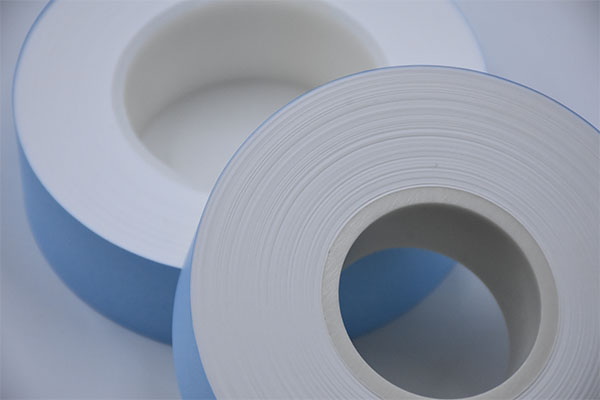
High-quality filter tapes must meet technical standards that ensure durability and reliability. These standards include tensile strength, chemical resistance, and consistent filtration efficiency. Below is a table detailing key technical parameters:
| Parameter | Description |
|---|---|
| Tensile Strength | Ability to withstand physical pressure |
| Chemical Resistance | Resistance to environmental chemical exposure |
| Filtration Efficiency | Effectiveness in capturing particulates |
Ensuring filter tape quality[^2] involves selecting tapes that meet these technical parameters. This approach maintains the reliability of monitoring equipment and the integrity of data collected.
What causes filter tape leaks?
Filter tape leaks often result from poor installation, using substandard tapes, or instrument malfunction. Each cause impacts the accuracy of environmental monitoring.
Leaks arise from improper tape installation, using non-certified tapes, or equipment faults. These issues lead to inaccurate data, impacting environmental assessments and decisions. Addressing these causes through regular maintenance and quality control can prevent leaks.
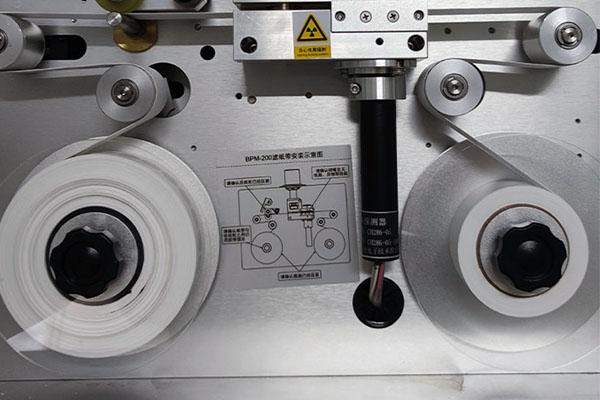
Understanding the causes of leaks involves examining installation procedures, tape quality, and instrument condition. Below are key focus areas for preventing leaks:
- Installation: Ensure proper tape alignment and secure attachment.
- Quality: Select tapes meeting industry standards for reliability.
- Instrument: Regularly check equipment for potential malfunctions or wear.
Regular inspections and maintenance can address these issues, preserving the accuracy and reliability of environmental data.
Conclusion
Performing regular leak tests and using high-quality filter tape rolls[^4] are essential steps to ensure accurate and reliable environmental monitoring data.
[^1]: This resource provides detailed instructions for conducting a BAM 1020 leak test, ensuring accurate monitoring.
[^2]: Understanding the significance of filter tape quality can help you make informed choices for accurate data collection.
[^3]: Discover the key factors influencing environmental monitoring accuracy to enhance your assessment strategies.
[^4]: Explore this link to find top-rated filter tape rolls that ensure optimal performance in monitoring.